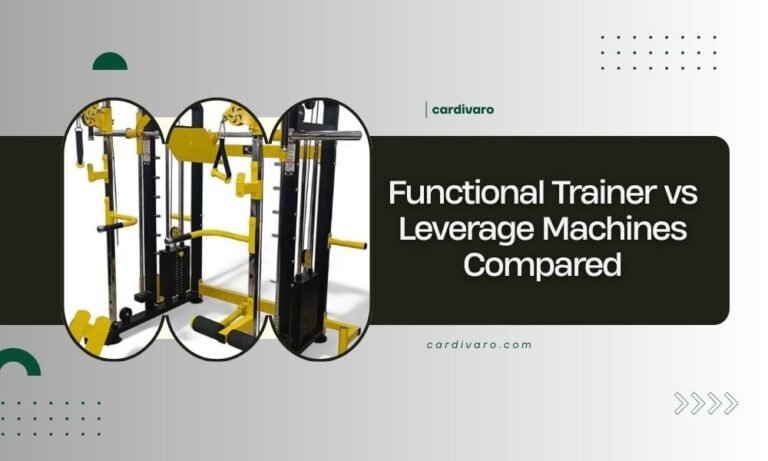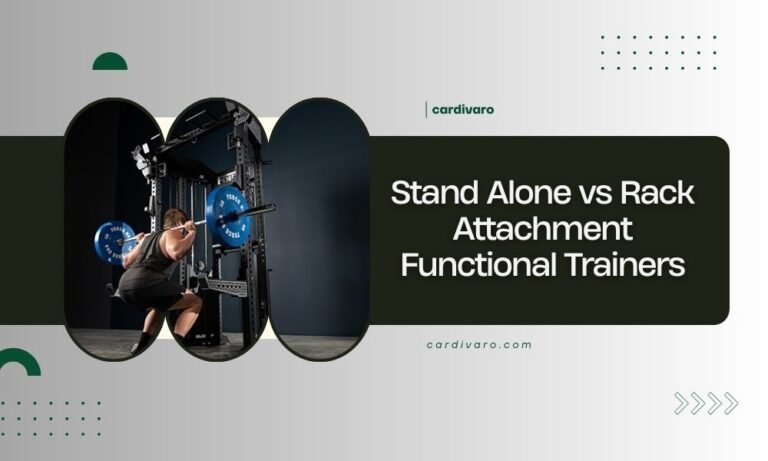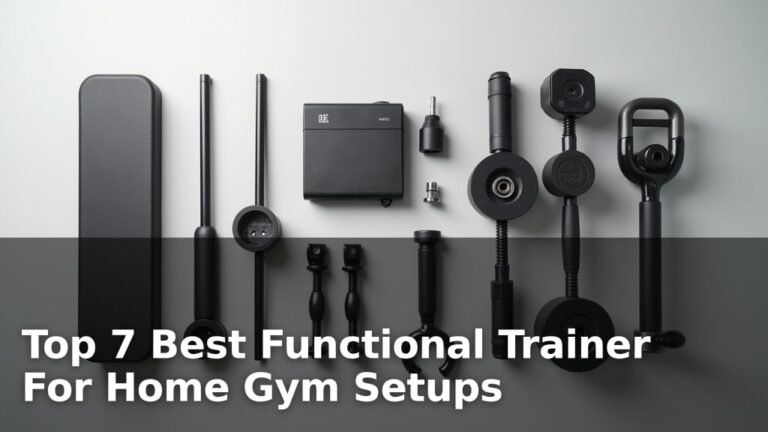
The best functional trainer setup for a garage gym typically involves a wall-mounted or compact free-standing unit with dual adjustable pulleys. We found these options offer the most versatility and save valuable floor space, which is essential in a home gym setting.
You want a system that supports a wide range of movements, from strength training to rehab exercises. We researched and found that a quality functional trainer can almost replace an entire rack of dumbbells and barbells. It offers smooth cable operation and easy adjustments, making your workouts more efficient and enjoyable.
- Wall-mounted or compact free-standing designs are ideal.
- Look for dual adjustable pulleys for maximum exercise variety.
- Prioritize smooth cable action and simple adjustments.
- A functional trainer can save significant space in a garage gym.
- It offers versatility for strength, cardio, and rehab.
Ready to transform your garage into a fitness powerhouse? Let’s break down the key features and considerations for choosing your perfect functional trainer setup.
Choosing the Right Functional Trainer for Your Garage Gym
Finding the perfect functional trainer for your garage gym means balancing space, budget, and your fitness goals. We’ll walk you through the key considerations so you can make an informed choice.
Understanding Functional Trainer Types
Before you dive into features, it helps to know the main categories. This will help you narrow down your options quickly. Each type has its own pros and cons, especially for a garage setting.
Wall-Mounted Functional Trainers
These units bolt directly to your wall studs. They’re fantastic for saving floor space, leaving your garage clear for other activities or parking your car. Think of them like a high-tech shelving unit for your fitness.
- Pros: Maximize floor space, often very stable once installed.
- Cons: Permanent installation, might require professional help, limited in where you can place them.
Compact Free-Standing Functional Trainers
These are self-contained units that don’t need wall attachment. They’re designed with a smaller footprint than full-size commercial models. You can move them around if needed, which offers some flexibility.
- Pros: Portable within your gym, easier installation, often have integrated storage.
- Cons: Still take up some floor space, can be less stable than wall-mounted units if not weighted properly.
Rack-Integrated Functional Trainers
Some power racks come with functional trainer attachments. This is an all-in-one solution if you’re already planning to buy a rack. It’s a clever way to get more out of your primary piece of equipment.
- Pros: Space-efficient (combines two machines), cost-effective if buying a new rack.
- Cons: Limited to the rack’s capabilities, cable travel might be shorter, often an add-on expense.
Key Features to Look For
Once you know the type you prefer, let’s look at what makes a functional trainer great. These features directly impact your workout experience and the longevity of the machine.
Smooth Cable System
This is non-negotiable. You want cables that glide effortlessly. Jerky or sticky cables are frustrating and can even lead to poor exercise form. Test the cables if you can, or read user reviews carefully.
- Weight Stack: Look for a decent weight stack that challenges you. Some machines have a 2:1 pulley ratio, meaning if you select 100 lbs, you’re actually lifting 50 lbs. This makes movements smoother but halves the resistance.
- Pulleys: High-quality pulleys are crucial. Nylon or aluminum pulleys with sealed bearings offer the best performance. They ensure a quiet, consistent movement throughout your exercise.
Adjustability and Versatility
A good functional trainer is like a chameleon, changing to fit your workout needs. The more adjustable it is, the more exercises you can perform. This is where it truly shines over fixed-motion machines.
- Pulley Positions: You’ll want a wide range of height adjustments for the pulleys. This allows you to work muscles from different angles, from low rows to high cable crossovers. More positions mean more exercise options.
- Attachments: Does it come with different handles, ropes, or bars? These accessories expand your workout possibilities. Some units offer a greater variety than others right out of the box.
Footprint and Space Considerations
Your garage gym probably isn’t endless. Measuring your available space is the first step. Consider not just the machine’s dimensions, but also the space you need around it to move freely during exercises.
- Ceiling Height: Some taller units might not fit in garages with lower ceilings. Always check the height specifications.
- Overall Width: Remember to account for the width when the arms are fully extended, especially for exercises like cable flyes.
Setting Up Your Garage Functional Trainer
Once you’ve chosen your machine, proper setup is essential for safety and optimal use. Don’t rush this step; it’s an investment in your fitness journey.
Installation Requirements
For wall-mounted units, you’ll need sturdy wall studs. We found that reinforcing the wall might be necessary for some heavier units or if your studs aren’t perfectly spaced. Always follow the manufacturer’s instructions to the letter.
- Tools: Gather all the necessary tools before you start. This might include a stud finder, drill, wrench set, and level.
- Assistance: Many units are heavy. Having a helper for installation is a smart and safe choice.
Flooring and Stability
A stable base is key. Concrete garage floors are generally good, but consider adding rubber matting. This protects your floor and provides a non-slip surface, reducing noise and vibration (NIH).
Even free-standing units benefit from a level and stable surface. You don’t want your machine wobbling during an intense set.
Maintaining Your Functional Trainer
Like any piece of equipment, a little care goes a long way. Regular maintenance ensures your functional trainer remains smooth and safe for years to come.
- Clean Cables: Wipe down the cables regularly to remove dust and grime. This prevents wear and keeps them gliding smoothly.
- Inspect Pulleys: Periodically check the pulleys for any signs of wear or damage. Lubricate them if recommended by the manufacturer.
- Tighten Bolts: Over time, bolts and screws can loosen. Give your machine a quick check every few months and tighten anything that feels loose.
Comparing Popular Garage Gym Functional Trainers
Many brands offer excellent functional trainers for home use. We’ve seen that differences often come down to build quality, cable ratios, and included accessories. Here’s a general comparison to help you visualize the options.
| Feature | Entry-Level Models | Mid-Range Models | High-End Models |
|---|---|---|---|
| Price Range | $500 – $1,500 | $1,500 – $3,000 | $3,000+ |
| Build Quality | Lighter gauge steel, some plastic parts | Heavy-gauge steel, durable components | Commercial-grade steel, premium components |
| Cable Smoothness | Decent, might have slight friction | Very good, consistent feel | Excellent, exceptionally smooth |
| Weight Stack | Up to 150 lbs (per side) | Up to 200 lbs (per side) | 200 lbs+ (per side) |
| Adjustability | Limited pulley height adjustments | Good range of pulley positions | Extensive pulley positions, fine adjustments |
| Footprint | Often compact free-standing | Varies (wall-mount or compact free-standing) | Can be larger, or highly space-optimized |
| Attachments | Basic handles | Several common attachments included | Wide variety of premium attachments |
Your Functional Trainer Checklist
Before making a final decision, run through this quick checklist. It will help ensure you’ve considered all the important factors for your specific garage gym setup.
- Is the unit suitable for your available space (height, width, depth)?
- Does it offer enough weight resistance for your current and future needs?
- Are the cable operations smooth and consistent?
- Can you perform a wide variety of exercises with its adjustability?
- Is the installation manageable for you, or do you need help?
- Does the overall build quality feel sturdy and durable?
Conclusion
Choosing the right functional trainer for your garage gym boils down to your specific needs and available space. We’ve shown that whether you opt for a wall-mounted, compact free-standing, or rack-integrated unit, smooth cables and excellent adjustability are paramount. Prioritize stability, consider your budget, and always measure your space carefully.
By following our guide, you can confidently select a functional trainer that will serve as the cornerstone of your home workouts for years to come. Now, take these insights, measure your garage, and get ready to build your dream fitness setup!
Frequently Asked Questions
How much space do I really need for a functional trainer?
Beyond the machine’s footprint, you’ll need at least 2-3 feet of clear space around it for most exercises. For movements like cable flyes, you might need even more width to extend your arms fully without hitting walls or other equipment.
Can a functional trainer replace free weights entirely?
While a functional trainer offers incredible versatility and can mimic many free-weight movements, it’s not a complete replacement. It excels in constant tension and controlled movements