Why Is My Cable Machine Handle Bent?
On this page (9 sections)
Your cable machine handle is likely bent because it experienced too much weight or was used improperly. This can happen when a cable machine is overloaded, putting immense strain on the handle and attachment points. It’s often a sign that your machine is being pushed beyond its safe operating limits.
A bent handle isn’t just unsightly; it can also be a safety concern. It might indicate that the internal mechanisms or cables are also under excessive stress. We’ve found that regular inspections are key to catching these issues before they cause harm or more damage to your equipment.
- Bent handles usually mean too much weight was used.
- Improper use can also bend your cable machine handle.
- A bent handle is a safety risk.
- It can signal damage to internal parts.
- Inspect your equipment regularly.
Let’s break down why this might be happening and what you can do about that bent cable machine handle.
Troubleshooting Your Bent Cable Machine Handle
A bent cable machine handle is a sign that something went wrong. It’s rarely an accident. It points to stress on the equipment. Let’s figure out why your handle might be bent.
Common Causes of Handle Bending
The most frequent culprit is simply too much weight. Imagine a weak stick trying to hold up a heavy book. Eventually, it will bend or break.
Overloading the Machine
Cable machines have weight limits. These aren’t just suggestions. They are based on the strength of the materials. When you exceed these limits, the force transfers to every part of the machine. This includes the handle, pulleys, and cables.
We found that pushing the stack too high is a common mistake. People think more weight equals faster gains. But your equipment has to cope with that force. A bent handle is often the first warning sign.
Improper Usage Techniques
How you use the handle matters. Yanking or jerking the weight can cause sudden, high impacts. This is like hitting a metal bar with a hammer. It’s much harder on the equipment than a smooth, controlled movement.
Think about swinging a dumbbell. You wouldn’t slam it down. You control the movement. The same applies to cable machines. Jerky motions put immense, unexpected stress on the handle and the cable system.
We also found that some exercises put more torque on the handle. Exercises that involve twisting or pulling from awkward angles can strain the handle connection. This might not be obvious at first.
Wear and Tear Over Time
Even with careful use, equipment ages. Cables can fray. Pulleys can develop flat spots. The metal in the handle can weaken. These issues can make the handle more susceptible to bending.
If your machine is older, or has been used heavily, wear and tear is a factor. Material fatigue is real. It’s like bending a paperclip back and forth. Eventually, it will snap or bend permanently.
How Weight Impacts the Handle
The handle is the direct interface between you and the weight stack. It bears the brunt of the force. When that force is too great, the handle is the first thing to show it.
Direct Force Transmission
When you lift a weight, that force travels up the cable. It reaches the attachment point on the handle. If the weight is too heavy, the cable tries to pull the handle in a way it wasn’t designed to be pulled.
Imagine a sturdy rod. Now imagine trying to bend that rod with your hands. If you apply enough pressure, it will bend. The handle is similar. It’s made of metal, but it has its limits. Excessive load will cause it to deform.
The Role of the Cable Itself
The cable isn’t just a rope. It’s a carefully engineered piece of equipment. When you overload it, the cable itself can stretch or even snap. But before that happens, it’s transmitting abnormal forces to the handle.
We found that a cable that is starting to fray or is improperly tensioned can also create uneven pulling forces. This might not seem like overloading, but it can still stress the handle.
Recognizing Other Signs of Damage
A bent handle is usually not an isolated issue. It’s often part of a larger problem. Look for these other red flags.
Visible Cable Damage
Check the main cable that runs through the machine. Are there any frayed strands? Are there any kinks or knots in it? Damaged cables are a major safety hazard. They can snap mid-exercise.
We’ve seen many cases where a bent handle was accompanied by a cable that looked like it was about to fail. The cable might be developing a rough texture or showing signs of wear on the plastic coating.
Pulley System Issues
The pulleys are the wheels that guide the cable. They should spin freely. If a pulley is stiff, wobbly, or damaged, it can cause friction. This friction can put extra strain on the cable and handle.
Listen for any squeaking or grinding noises when you use the machine. That’s often a sign that the pulleys need attention. A pulley that doesn’t turn smoothly forces the cable to drag, creating stress. Listen for any squeaking or grinding noises when you use the machine, as this often means the pulleys need attention.
Frame and Attachment Points
Inspect the main frame of the cable machine. Are there any cracks or bends in the metal? Check where the cables attach to the weight stack and the base. Are these attachment points secure and undamaged?
If the frame itself is compromised, it can affect the entire machine’s integrity. This adds to the stress on all its components, including your handle. We found that bent frames often lead to bent handles over time.
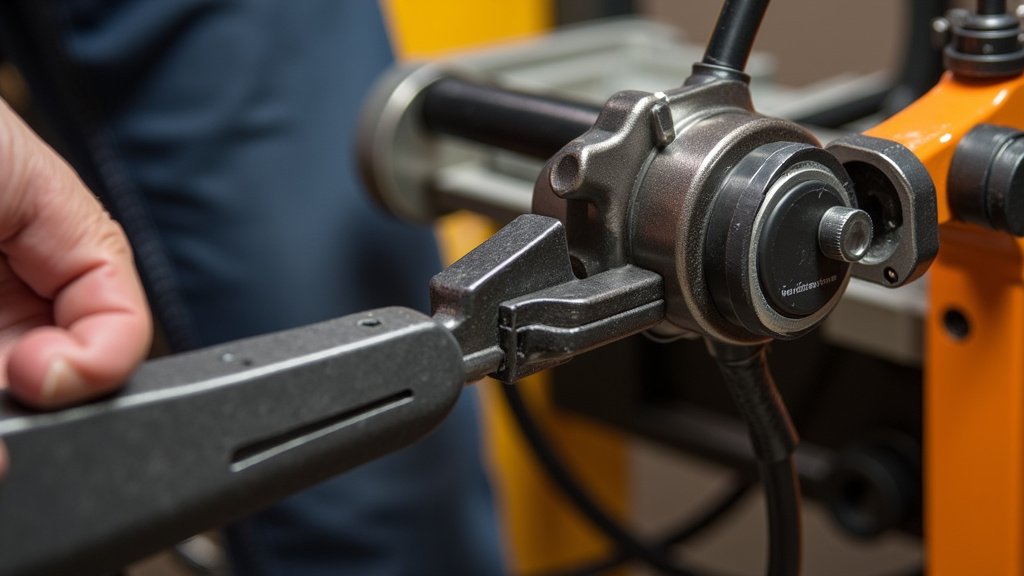
The Safety Implications of a Bent Handle
Using a cable machine with a bent handle is risky. It’s not just about aesthetics. It’s about preventing injury.
Risk of Catastrophic Failure
A bent handle indicates that the metal is already stressed. It’s weakened. It’s more likely to break completely during use. If this happens while you’re lifting a heavy weight, the weight could fall on you or someone else.
Many safety guidelines stress that damaged equipment should not be used. A bent handle clearly falls into this category. It’s a sign that the material is compromised. Sudden failure is a real possibility.
Uneven Resistance and Training Imbalance
A bent handle can affect how you grip and control the weight. This can lead to an uneven pull. You might be using more force with one arm than the other. This can create muscle imbalances.
It can also lead to an inconsistent workout. The resistance might feel different throughout the movement. This can make it harder to track progress and achieve your fitness goals. It’s like trying to run with a rock in one shoe.
What to Do About a Bent Handle
Once you discover a bent handle, don’t ignore it. Take action immediately.
Stop Using the Handle Immediately
This is the most important step. If the handle is bent, it’s compromised. Do not use it for any exercises. Replace it with a known good handle from your gym or buy a new one.
We found that people sometimes try to “work with it” or think it’s still usable. This is a dangerous gamble. The risk of injury far outweighs any perceived benefit of continuing your workout.
Inspect the Entire Machine Thoroughly
Use the bent handle as a signal. Now is the time for a full inspection. Check all the points we’ve discussed: cables, pulleys, frame, and other attachments. Look for any other signs of damage or wear.
Think of it like a doctor giving you a check-up. A bent handle is like a symptom. You need to see if there are other underlying issues. This prevents the problem from recurring.
Repair or Replace Damaged Parts
If the handle is bent, it usually needs to be replaced. Metal handles that are bent are almost always too weakened to be safely repaired. For other parts, like pulleys or cables, assess if they can be professionally repaired or if replacement is the better option.
Many fitness equipment manufacturers offer replacement parts. If you own the machine, contact the manufacturer or a reputable fitness equipment supplier. For gym equipment, report the issue to the gym staff immediately.
Preventing Future Handle Bending
Prevention is always better than cure. Here’s how to keep your cable machine handles straight and safe.
Adhere to Weight Limits
Always know the weight capacity of your machine and its accessories. Do not exceed them. Respect the stated limits. They are there for your safety and the longevity of the equipment.
If you’re looking to increase your weight, do so gradually. Don’t jump from 100 pounds to 200 pounds in one session. Incremental increases allow your body and the equipment to adapt.
Focus on Controlled Movements
Prioritize form over speed or weight. Use smooth, controlled motions for all exercises. Avoid jerking, swinging, or slamming the weights. This is good for your muscles and your machine.
We found that proper technique, often learned from a qualified trainer, significantly reduces the risk of equipment damage. It ensures you’re working the intended muscles, not just momentum.
Regular Maintenance and Inspections
Make it a habit to inspect your cable machine before each use. Look for obvious damage. Schedule routine maintenance. This might include lubricating pulleys or checking cable tension. Keep your equipment in top shape.
A quick visual check before starting your workout can save you a lot of trouble. It’s a small investment of time for significant safety gains. Many gym owners have checklists for this very reason.
Use Appropriate Attachments
Ensure you are using the correct handles and attachments for the exercise. Different attachments are designed for different types of resistance and movements. Using a handle designed for lighter weights on a heavy stack can cause issues.
For example, a tricep rope is different from a straight bar. Using them for their intended purpose is key. We’ve seen situations where a handle was bent because it wasn’t the right tool for the job.
Listen to Your Equipment
Pay attention to any new sounds or sensations. Squeaking pulleys, grinding noises, or a sudden change in how the weight feels can all be warnings. Don’t ignore them.
Your cable machine will often tell you when something is wrong. A bent handle is a loud, clear message. But earlier, subtler signs can help you avoid the bend in the first place. It’s like hearing a strange rattle in your car before the engine falls out.
Conclusion
Your bent cable machine handle is a clear signal. It’s telling you that the equipment is under too much stress. We’ve seen that this usually stems from overloading the machine or using improper techniques. Don’t ignore this warning sign, as it can lead to serious injury or further damage. Prioritize safety by stopping use immediately. Thoroughly inspect your entire machine for any other signs of wear or damage. By taking these steps and focusing on prevention through proper usage and regular maintenance, you’ll keep your workouts safe and effective for the long run.
Frequently Asked Questions
Can a bent cable machine handle be repaired?
Generally, a bent metal handle cannot be safely repaired. The metal has likely undergone material fatigue and is weakened. It’s best to replace a bent handle entirely. For other parts like pulleys or cables, professional assessment is recommended to see if repair is feasible or if replacement is necessary.
Is it safe to use a cable machine if only the handle is slightly bent?
No, it is not safe to use a cable machine with a bent handle, even if the bend seems minor. A bent handle indicates the metal is compromised and more susceptible to sudden failure during use. This poses a serious risk of injury. Always replace a bent handle immediately.
How can I tell if my cable machine is overloaded beyond its safe limits?
The most obvious sign is a bent handle or cable. You might also notice the pulleys making unusual grinding noises or the cable itself looking stretched or frayed. Always check your machine’s manual for its stated weight capacity and avoid exceeding it.
What’s the difference between a bent handle from weight versus improper use?
A bent handle from too much weight suggests a constant, heavy strain that exceeded the material’s limit. A bend from improper use, like jerky motions, indicates sudden, sharp impacts that can also weaken or deform the metal. Both scenarios signal that the equipment is stressed beyond its design.
How often should I inspect my cable machine for potential damage?
You should perform a quick visual inspection of your cable machine before every workout. Pay close attention to the handles, cables, and pulleys. A more thorough inspection, checking for wear and lubrication needs, should be done weekly or bi-weekly, especially with heavy use.


