Why Is My Functional Trainer Rusting?
On this page (8 sections)
- Understanding Why Your Functional Trainer Gets Rusty
- The Science Behind Rust: A Simple Explanation
- Identifying the Culprits: Specific Causes of Rust
- Checklist: Quick Prevention Steps
- The Material Matters: What Your Trainer is Made Of
- How to Protect Your Investment from Rust
- Conclusion
- Frequently Asked Questions
Your functional trainer is rusting because it’s likely exposed to moisture and humidity. This can happen in various environments, especially if you keep your equipment in a garage or basement. Rust forms when iron or steel reacts with oxygen in the presence of water. Protecting your investment means understanding these common causes.
We’ve found that even small amounts of dampness can speed up the rusting process. Salt in the air, like near a coast, can also accelerate corrosion. Addressing the root cause is key to keeping your functional trainer in top shape. Let’s look at why this happens and what you can do about it.
- Rust forms when metal meets moisture and oxygen.
- Garages and basements are common spots for humidity.
- Salt air can make rust appear faster.
- Proper care prevents your trainer from corroding.
Below, we’ll break down exactly why your functional trainer might be rusting and how you can prevent it from happening again.
Understanding Why Your Functional Trainer Gets Rusty
Rust on your functional trainer is a common headache. It happens when metal parts react with moisture and oxygen. You likely keep your equipment in a spot with higher humidity. Garages and basements are prime culprits. Even damp air can start the process. Let’s uncover the main reasons behind this unwelcome guest.
The Science Behind Rust: A Simple Explanation
Rust is essentially iron oxide. It forms when iron or steel is exposed to water and air. Think of it like a slow chemical reaction. Oxygen in the air attacks the metal in the presence of moisture. This creates a flaky, reddish-brown substance we call rust. It weakens the metal over time.
Humidity’s Role in Corrosion
High humidity is your functional trainer’s enemy. It means there’s a lot of water vapor in the air. This moisture clings to metal surfaces. It creates a perfect environment for rust to form. We found that even seemingly dry air can carry enough moisture. This is especially true in areas with poor ventilation.
Common Sources of Household Humidity
Your home itself can be a source of humidity. Washing clothes, cooking, and even showering release water vapor. If these activities happen near your trainer, it can be a problem. Basements are often naturally humid. They can also collect condensation from cooler pipes. Garages can absorb moisture from outside, especially after rain.
The Impact of Environmental Factors
Where you store your trainer matters a lot. Garages and basements are common places. They often have less climate control. This means they experience bigger swings in temperature and humidity. We found that salt in the air can also speed up rust. This is more of an issue if you live near the coast.
Coastal Air and Its Corrosive Nature
Salt is a conductor. When it mixes with moisture, it makes the corrosion process much faster. Salt particles in the air can settle on your equipment. Even a fine mist from the ocean can carry enough salt. This salt acts like a catalyst for rust. It can make your trainer look aged quickly.
Identifying the Culprits: Specific Causes of Rust
Let’s get specific about why your functional trainer is showing rust. It’s usually a combination of factors. Understanding these can help you prevent future issues. Don’t worry, most of these are fixable.
Improper Storage Location
As we’ve touched on, location is key. Storing your functional trainer in a damp garage or basement is a primary cause. These areas often lack good airflow. They can also be prone to leaks. If your trainer is sitting on a concrete floor, it can absorb moisture. This creates a direct path for rust to start.
Basement Blues: Dampness and Lack of Airflow
Basements are notoriously damp. They are below ground level. This makes them susceptible to groundwater and condensation. Many basements also have poor ventilation. This traps moist air against your equipment. We found that even a small leak in a basement wall can cause major problems over time.
Garage Grief: Temperature Swings and External Moisture
Garages face their own set of challenges. They often experience wide temperature changes. This can lead to condensation forming on surfaces. Cars tracked in snow or rain also add moisture. If you park a wet vehicle inside, the humidity rises. Garages are also less insulated, meaning they take on ambient humidity more easily.
Sweat and Cleaning Residue
Your own workouts can contribute to rust. During intense sessions, you sweat. Sweat is salty and acidic. If it drips onto metal parts and isn’t wiped off promptly, it can cause corrosion. Similarly, cleaning products can leave residue. If not fully rinsed or dried, this residue can trap moisture.
The Little-Known Problem of Workout Sweat
Sweat is more than just water. It contains salts and other minerals. These can accelerate the rusting process. We found research indicating that sweat’s acidity can attack metal surfaces. It’s like a mini-acid bath for your trainer. Prompt cleaning after each workout is essential.
Cleaning Products and Lingering Moisture
Are you using the right cleaning supplies? Some cleaners can leave a film. This film can attract and hold moisture. Also, if you use a wet cloth to wipe down your trainer, ensure it dries completely. Leaving even a small amount of dampness can invite rust.
Lack of Regular Maintenance and Protection
Sometimes, the simplest answer is that your trainer hasn’t been properly cared for. Metal components need protection. Without it, they are vulnerable. Neglecting routine checks and protective measures is a recipe for rust.
Not Using Protective Coatings
Many functional trainers are made with powder-coated or painted steel. These coatings offer a barrier against moisture. However, if these coatings are scratched or chipped, the bare metal is exposed. Applying a protective spray can help. We found that silicone-based lubricants can add an extra layer of defense.
Ignoring Early Signs of Deterioration
Did you spot a tiny speck of rust? Many people ignore it. This is a mistake. Early signs are easier to deal with. If you let a small spot grow, it can spread quickly. It becomes a much bigger issue to fix later.
Checklist: Quick Prevention Steps
Here’s a quick rundown of what you can do right now:
- Keep your trainer away from windows and exterior walls.
- Ensure good air circulation in its storage area.
- Wipe down the trainer after every workout.
- Use a rust-inhibiting spray periodically.
- Check for and touch up any chipped paint.
- Address any small rust spots immediately.
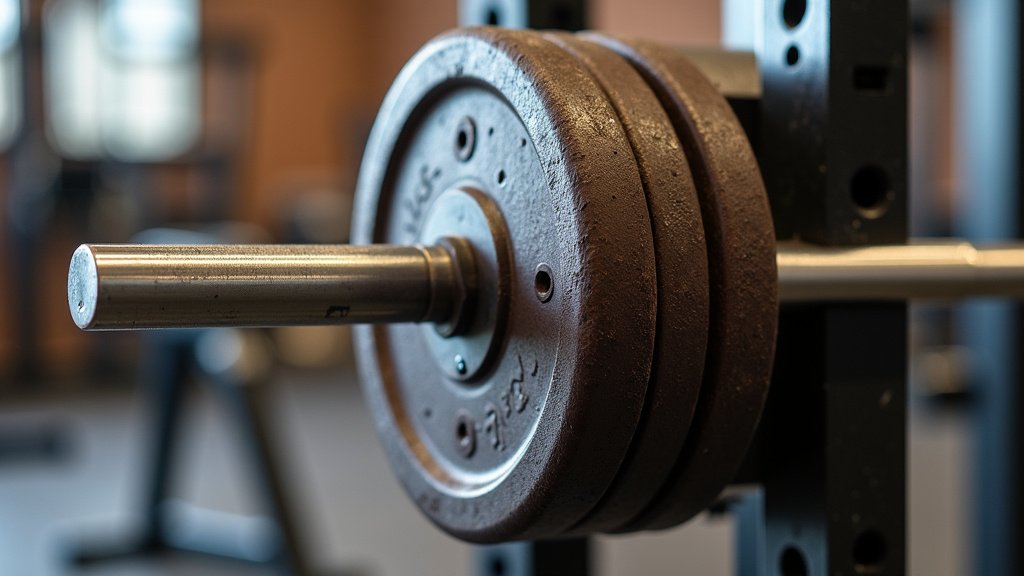
The Material Matters: What Your Trainer is Made Of
The type of metal used in your functional trainer plays a role. Most are made from steel or iron. These metals are prone to rusting. Some higher-end models might use aluminum or stainless steel. These are much more resistant to rust.
Steel and Iron: The Usual Suspects
Steel and iron contain iron. Iron is the element that rusts. Standard steel is a common choice for gym equipment. It’s strong and relatively inexpensive. However, it needs protection to prevent corrosion. Many trainers use coated steel to offer some defense.
Aluminum and Stainless Steel: Better, But Not Invincible
Aluminum does not rust. It corrodes, forming a protective oxide layer. Stainless steel contains chromium, which forms a passive layer. This makes it highly resistant to rust. However, even stainless steel can corrode under extreme conditions. For most home gym setups, this isn’t a concern.
| Metal Type | Rust Susceptibility | Common Use in Equipment | Notes |
|---|---|---|---|
| Steel (Standard) | High | Frames, weight stacks, pulleys | Needs protective coatings. |
| Stainless Steel | Low | Fasteners, some components | Resists rust well but can corrode. |
| Aluminum | Very Low (Doesn’t rust) | Lightweight parts, frames | Corrodes differently than iron. |
You can see from the table that standard steel is the most likely culprit for rust. If your trainer is primarily made of steel, you’ll need to be extra diligent with protection.
How to Protect Your Investment from Rust
Now that you know why it’s happening, let’s talk solutions. Protecting your functional trainer is key. It ensures it lasts longer and works better. A little effort goes a long way.
Environmental Controls: Managing Humidity
The best defense is a good offense. Controlling the environment where your trainer lives is step one. We found that reducing humidity is crucial. Consider using a dehumidifier in your garage or basement.
Dehumidifiers: Your New Best Friend
A dehumidifier actively removes moisture from the air. This can drastically lower humidity levels. It creates a drier environment. This makes it much harder for rust to form. Emptying the water tank regularly is important. Make sure the unit is sized correctly for your space.
Ventilation is Key
Good airflow prevents moisture buildup. Open doors and windows when possible. Use fans to circulate air. This helps dissipate humid air. We found that even opening the garage door for a few hours a day can make a difference.
Regular Cleaning and Lubrication
Consistency is vital. Make cleaning a habit. After each workout, wipe down your trainer. Use a dry or slightly damp cloth. Pay attention to areas where sweat might collect. Apply a lubricant designed for fitness equipment. If your trainer also squeaks, try these quick fixes for functional trainer squeaks. This often contains rust inhibitors.
Wiping Down After Use
This seems simple, but it’s often overlooked. Sweat needs to be removed. A quick wipe-down after your last set prevents corrosion. Use a microfiber cloth. It’s absorbent and won’t scratch surfaces. Don’t forget the handlebars, pulleys, and frame.
Applying Protective Sprays and Lubricants
Fitness equipment lubricants are formulated to protect metal. Many contain anti-rust agents. They create a barrier against moisture. Follow the manufacturer’s recommendations for application. Generally, a light coat is sufficient. Reapply as needed, perhaps monthly or quarterly.
Addressing Rust Spots When They Appear
If you do find rust, act fast. Don’t let it spread. There are several ways to tackle it.
Using a Rust Remover
Commercial rust removers are effective. They chemically break down rust. Follow the product instructions carefully. You might need to apply it, let it sit, and then scrub or wipe it away. Always test in an inconspicuous area first.
Light Sanding or Steel Wool
For minor rust spots, gentle sanding can work. Use fine-grit sandpaper or steel wool. Scrub the rusted area until the rust is gone. Be careful not to damage the surrounding paint or coating. After removing the rust, clean the area thoroughly. Then, apply a protective coating or touch-up paint.
Touching Up Paint and Coatings
Once you’ve removed rust and smoothed the surface, you need to protect it. Use a matching touch-up paint. Or, apply a clear protective coating. This seals the metal from moisture. This step is critical to prevent the rust from returning.
Conclusion
You’ve learned that rust on your functional trainer isn’t a mystery; it’s usually a straightforward reaction to moisture and humidity. By understanding common culprits like basements, garages, and even workout sweat, you can take control. Implementing simple, consistent maintenance is your best defense. Wiping down your equipment after every use, ensuring good airflow, and using protective sprays will keep your trainer in top condition for years to come. Make these practices your new routine to protect your fitness investment.
Frequently Asked Questions
What’s the quickest way to remove light rust from my functional trainer?
For light rust, try using fine-grit sandpaper or steel wool. Gently scrub the affected area until the rust is gone. After removing the rust, be sure to clean the spot thoroughly. Then, apply a protective coating or touch-up paint to prevent it from returning.
Can I store my functional trainer in my garage if I live in a humid climate?
Storing your trainer in a garage in a humid climate is risky. Garages often have poor ventilation and temperature fluctuations, which worsen humidity. We recommend using a dehumidifier in the garage or finding a more climate-controlled space for your equipment.
How often should I apply rust-inhibiting spray to my functional trainer?
You should apply rust-inhibiting spray periodically, depending on your environment. A good rule of thumb is every one to three months. Check the product’s instructions, and reapply if you notice any signs of rust or if the protective coating seems worn.
Is sweat really corrosive enough to damage my functional trainer?
Yes, workout sweat can indeed cause damage. Sweat contains salts and is slightly acidic, which accelerates the rusting process. Wiping down your trainer with a dry cloth after each workout is essential to remove this corrosive residue promptly.
What’s the difference between rust on steel and corrosion on aluminum?
Steel rusts by forming iron oxide, a flaky red substance. Aluminum corrodes differently; it forms a protective oxide layer that is usually gray and adheres to the metal. While aluminum doesn’t rust like steel, prolonged exposure to moisture can still impact its appearance and integrity.


