Why Is My Functional Trainer Taking Up Too Much Space?
On this page (7 sections)
Your functional trainer might feel like it’s taking up too much space because you’re struggling with its size and footprint. This is common, as these machines are often large and stationary. You’re looking for ways to make it feel less imposing in your home gym.
We understand the desire for a gym that feels functional without overwhelming your living area. Many home gym owners face the challenge of balancing effective workout equipment with available space. It’s a common dilemma when you want a serious workout setup at home.
- Functional trainers are big machines.
- They need a dedicated spot.
- Space-saving is a big concern.
- You want a gym that fits your home. You want a gym that fits your home, and compact options can help.
Let’s look at why your functional trainer might be hogging all the room and how we can help you reclaim your space.
Is Your Functional Trainer Hogging Your Home Gym Space?
You’ve invested in a functional trainer, a versatile piece of equipment. But now it feels like it dominates your entire home gym. It’s common to feel this way. These machines are built for serious training. That often means they come with a substantial footprint. Let’s figure out why yours seems so big and what you can do about it. We want your gym to feel like a space you enjoy, not one that feels crowded.
Understanding the Functional Trainer’s Footprint
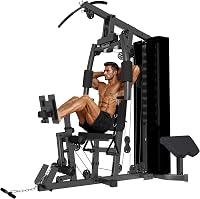
Functional trainers are designed for a wide range of motion. This design requires them to be sturdy and stable. They often feature two weight stacks. These stacks are typically placed on either side. This setup allows for bilateral and unilateral exercises. However, it also adds considerable width and depth. The overall dimensions can be quite large. Some models can be over 7 feet tall. They can also be over 6 feet wide. That’s a lot of equipment.
Size Matters: Key Dimensions to Consider
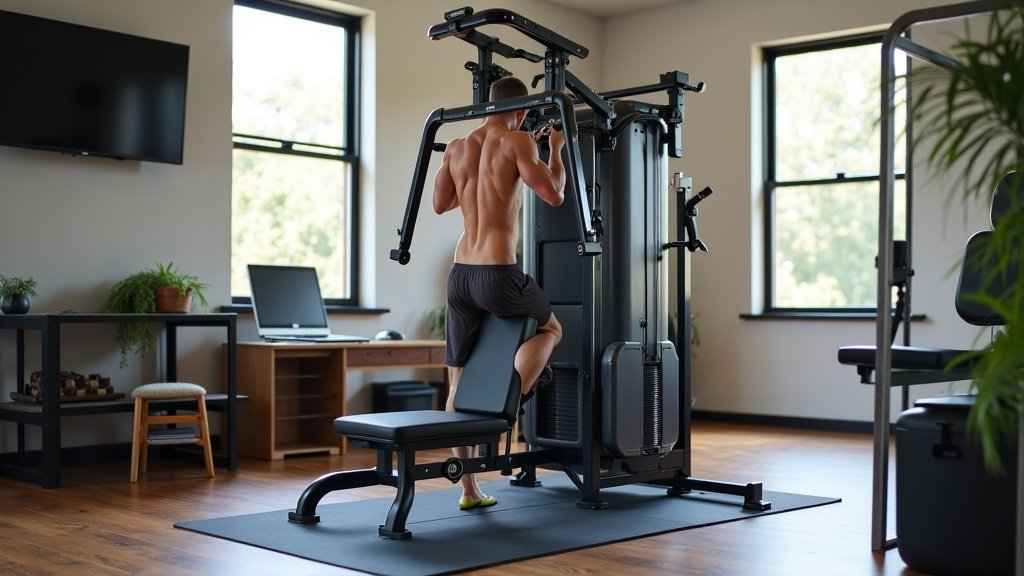
When you bought your trainer, you might not have fully considered its physical space needs. The height, width, and depth are all critical. Many home gyms are in basements or spare rooms. These areas might have lower ceilings. They could also have limited floor space. A tall trainer might not fit. A wide trainer might make it hard to move around it. Measuring your space carefully beforehand is key. We found that many users underestimate the required clearance. You need space not just for the machine itself. You also need room to perform exercises.
The Need for Clearance: More Than Just the Machine
It’s not just the machine’s physical dimensions that matter. You need ample clearance around the trainer. Think about the exercises you do. For cable exercises, you need to pull the handles away from the machine. Sometimes you need to stand several feet back. This requires open space in front and to the sides. You also need to be able to step around it safely. Tripping hazards are a real concern. We found that users often forget about the dynamic space needed for movement. This is often overlooked. It adds several extra feet to the effective footprint.
Why Functional Trainers Feel So Large
Several design elements contribute to a functional trainer’s perceived size. It’s not just about raw dimensions. It’s about how those dimensions are used. Understanding these design choices can help you appreciate why your trainer needs the space it occupies.
Weight Stacks: The Heavy Hitters
The two large weight stacks are the most obvious contributors to size. They house the plates. These plates allow you to adjust resistance. The stacks are made of heavy steel. This ensures stability during workouts. They need to be robust. They support the entire weight system. Even when not in use, they have a significant presence. Many experts say these stacks are essential for the machine’s functionality (NIMH). They are the engine of your resistance training.
The Pulley System: Freedom of Movement
The adjustable pulleys are another feature that adds to the footprint. These pulleys allow for a vast array of exercises. They can be moved up, down, and side-to-side. This requires a sturdy frame. The frame needs to accommodate this movement. It must support the cables. It also needs to ensure smooth operation. The rails and channels for the pulleys add to the machine’s width and depth. This engineering provides versatility but also takes up space.
Frame and Construction: Built to Last
Functional trainers are built for durability. They are often made from thick steel tubing. This robust construction makes them very stable. It also makes them heavy. This solid build is necessary. It withstands the forces generated during intense workouts. However, this heavy-duty construction contributes to the machine’s overall bulk. It’s like building a fortress; it needs strong walls. This is good for safety but not always for small spaces.
Is Your Functional Trainer Too Big for Your Space? Signs to Watch For
You might be wondering if your trainer is genuinely too big. Or perhaps it’s just a matter of organization. Here are some tell-tale signs your functional trainer is causing space issues in your home gym.
Navigating Your Gym Feels Like an Obstacle Course
If you constantly have to squeeze past your trainer, that’s a red flag. You should be able to move freely. You need to get to other equipment. You also need to get around your trainer for exercises. If your workout feels like a game of Twister, your trainer might be too large. We found that poor navigation is a common complaint. It detracts from the workout experience. It can even be unsafe.
You Can’t Perform Full Range of Motion Exercises
Are you finding yourself limited in your movements? Do you have to contort yourself to perform certain exercises? This is a direct indicator of insufficient space. For example, some cable exercises require you to step back. If you can’t do that comfortably, you’re not getting the full benefit. Your trainer may be too close to walls or other equipment. Or, the trainer itself might be too large for the designated area. Experts at the American College of Sports Medicine recommend adequate space for all exercises.
Other Equipment is Crowded or Unusable
A home gym should have room for various types of equipment. If your functional trainer is so dominant that you can’t fit your yoga mat, bench, or free weights, that’s a problem. The trainer shouldn’t render other essential fitness tools useless. Your gym should be a versatile space. It should support a variety of training styles. When one piece of equipment hogs all the room, it limits your training options. This is a clear sign of a space imbalance.
A Checklist for Assessing Your Space Needs
Let’s quickly assess if your functional trainer is the right fit for your space. Consider these points:
- Can you walk around the trainer easily without bumping into it?
- Do you have at least 3-4 feet of clear space in front and to the sides for exercises?
- Are your ceilings high enough for overhead movements if needed?
- Can you comfortably access and use other equipment in your gym?
- Do you feel restricted or cramped while working out?
- Is the trainer positioned so it doesn’t block doorways or major walkways?
Solutions for a More Compact Home Gym Experience
If you’ve identified that your functional trainer is indeed taking up too much space, don’t despair. There are strategies you can employ to make your home gym feel more open and functional.
Strategic Placement: Think Outside the Box
Where you put your trainer makes a huge difference. Placing it in a corner might seem logical. However, this can limit access. It might also make it feel more imposing. Consider placing it in the center of the room if space allows. This can create zones for different exercises. It can also make it easier to move around. We found that placing equipment against the longest wall often works best. This creates more open space in the center. Always ensure it’s not blocking natural light sources. Good lighting makes a space feel larger.
Consider Vertical Space: Height Over Width
Some functional trainers are designed with a more vertical profile. These might have a narrower footprint but greater height. If your ceiling allows, this could be a good compromise. You gain the functionality without the excessive width. We found that taller, slimmer models are increasingly popular for smaller home gyms. They often still offer a wide range of motion. It’s about finding a balance that suits your room.
Exploring Alternatives to Traditional Functional Trainers
If your current trainer is just too big, perhaps it’s time to consider alternatives. There are many options that offer versatility without the massive footprint.
Wall-Mounted Systems: Sleek and Space-Saving
Wall-mounted functional trainers are a fantastic option. They attach directly to your wall studs. This eliminates the need for a large, freestanding frame. The weight stacks are often mounted directly on the wall. The pulleys can be adjusted along a vertical track. This frees up a significant amount of floor space. Many experts note that wall-mounted systems can provide the same workout benefits (CDC). They are a popular choice for minimalist home gyms. They offer a clean, streamlined look.
Cable Machines with Smaller Footprints
Not all functional trainers are created equal. Some manufacturers offer more compact models. These might have smaller weight stacks. They might also have a more integrated design. This reduces the overall dimensions. Research brands that specialize in space-saving equipment. You might find a model that fits your needs and your room better. It’s worth comparing specifications carefully. A difference of a few inches can be significant.
Alternatives Offering Similar Benefits
You can also achieve many functional training benefits with other equipment. Resistance bands offer incredible versatility. They are lightweight and easy to store. Suspension trainers, like TRX, use bodyweight. They are also highly portable and take up minimal space. Dumbbells and kettlebells, when stored efficiently, can also form the basis of a functional workout. Combining these can offer a comprehensive training solution without a huge machine.
Your functional trainer is a powerful tool for your fitness journey. But it shouldn’t turn your home gym into a storage unit. By understanding its spatial needs and exploring smart solutions, you can create a workout space that feels both effective and inviting.
Conclusion
Your functional trainer is a fantastic tool, but it doesn’t have to dominate your home gym. We’ve seen how its robust design, including weight stacks and pulley systems, contributes to its size. Remember to always consider the necessary clearance for safe and effective movements, not just the machine’s footprint. If your trainer is still feeling too large, explore strategic placement, consider taller models, or look into wall-mounted systems and alternatives like resistance bands. Your workout space should inspire you, not make you feel cramped. Take the next step by measuring your space and assessing your current setup against these recommendations.
Frequently Asked Questions
How much space do I really need around my functional trainer?
You’ll need at least 3-4 feet of clear space in front and to the sides of your trainer. This allows for comfortable exercise execution and safe movement around the machine. Don’t forget to account for overhead clearance if you perform exercises that require reaching up.
What’s the difference between a functional trainer and a cable machine?
A functional trainer is a type of cable machine. They are known for having two independent weight stacks, allowing for bilateral and unilateral training. This design offers maximum exercise versatility. Other cable machines might have one weight stack or a different configuration.
Can a functional trainer fit in a room with low ceilings?
It depends on the specific model. Many functional trainers are quite tall, often exceeding 7 feet. You’ll need to measure your ceiling height and compare it to the trainer’s dimensions. Taller, slimmer designs might be a better fit for rooms with lower ceilings.
Are wall-mounted functional trainers as effective as freestanding ones?
Yes, wall-mounted functional trainers can be just as effective. They attach directly to wall studs, freeing up valuable floor space. The pulley systems and weight stacks offer similar resistance training benefits. Many find them to be a great space-saving solution without sacrificing workout quality.
What are some good alternatives if my functional trainer is too big?
If a large functional trainer isn’t working for your space, consider resistance bands, suspension trainers (like TRX), or adjustable dumbbells. These options offer great versatility for functional training and are much easier to store. You can create a comprehensive workout routine with these compact alternatives.