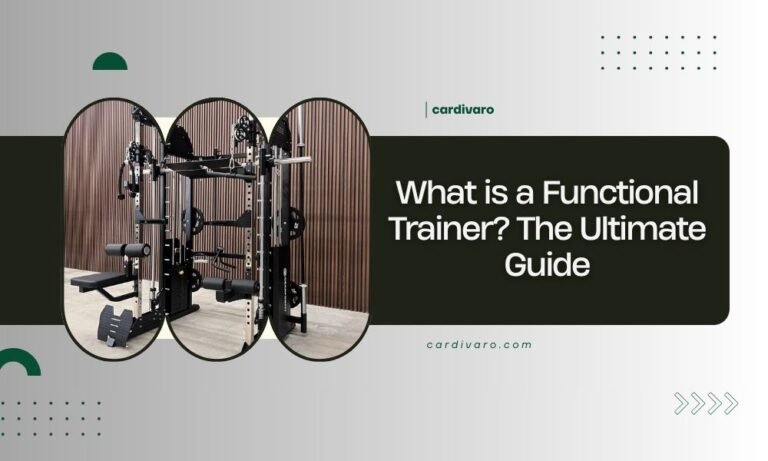
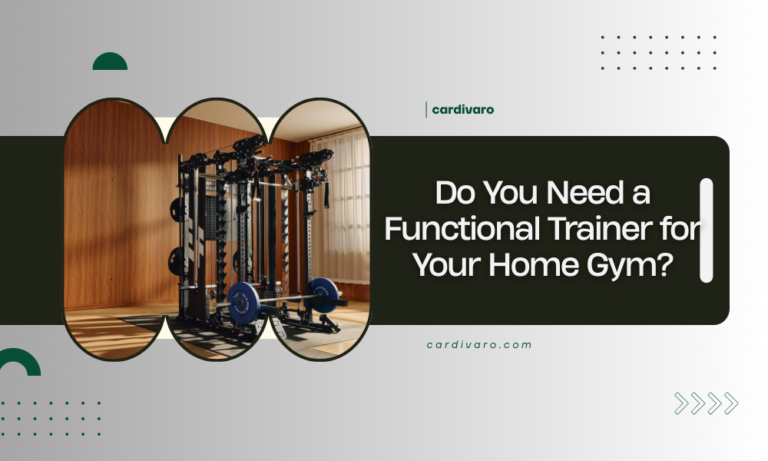
A functional trainer builds explosive power through cable-based resistance training that mimics natural movement patterns and athletic motions.
You can develop functional trainer explosive power by performing plyometric cable exercises, rotational movements, and speed-focused compound exercises with variable resistance.
What Makes Functional Trainers Perfect for Explosive Power
Think of a functional trainer as your personal athletic performance lab. The cable system gives you something traditional weights can’t: variable resistance that matches how your muscles actually work.
When you jump, throw, or sprint, your muscles don’t work in isolation. They fire together in coordinated patterns. Functional trainers let you train these exact movement chains.
Cable Resistance vs Traditional Weights
Free weights give you consistent resistance throughout the movement. But your muscles are stronger at some points than others.
Cables provide accommodating resistance. This means the tension adjusts as you move through different angles. Your muscles work harder where they’re naturally stronger.
The Science Behind Variable Resistance
Research from the Journal of Strength and Conditioning shows that variable resistance training can increase power output by up to 25% compared to constant resistance training.
The key is matching the resistance curve to your strength curve. This optimizes force production throughout the entire range of motion.
Essential Explosive Power Exercises on Functional Trainers
Upper Body Power Movements
Your upper body generates power through pushing, pulling, and rotating. Here are the moves that deliver results:
Cable Chest Press Explosions
Set the cables at chest height. Stand in a staggered stance. Drive both handles forward as fast as possible.
The magic happens in the deceleration phase. The cables force you to control the return, building strength in both directions.
Rotational Power Throws
Athletes call this the “money maker” exercise. Set one cable at waist height. Grab with both hands and rotate explosively across your body.
This movement pattern shows up in every sport. Tennis serves, golf swings, throwing a punch – they all use this same rotation.
Speed Rows
Face the machine with cables at chest height. Pull both handles back as fast as you can while squeezing your shoulder blades together.
Focus on the acceleration phase. Think “rip the handles apart” as you pull.
Lower Body Power Development
Your legs are your body’s power plant. These exercises turn up the voltage:
Cable-Assisted Jump Squats
Attach the cables to a harness or hold handles at shoulder height. The cables provide upward assistance during the jump phase.
This lets you jump higher and faster than bodyweight alone. You’re training your nervous system to fire quicker.
Lateral Power Steps
Set one cable low. Step sideways while pulling the cable across your body. Land softly and immediately push back the other direction.
This builds the side-to-side power that keeps you balanced and agile.
Cable Deadlift Accelerations
Stand on the cables with handles in each hand. Drive through your heels and explode upward as fast as possible.
The cable tension increases as you stand up. This teaches your body to accelerate through the strongest part of the movement.
Programming Your Power Training
Sets and Reps for Maximum Power
Power training isn’t about grinding out high reps. It’s about quality over quantity.
| Training Goal | Sets | Reps | Rest Time |
|---|---|---|---|
| Explosive Power | 3-5 | 3-6 | 2-3 minutes |
| Power Endurance | 3-4 | 8-12 | 90 seconds |
| Speed Training | 4-6 | 5-8 | 3-4 minutes |
Why Low Reps Work Better
Power drops off quickly with fatigue. After about 6 reps, you’re not training power anymore – you’re training strength endurance.
Each rep should feel explosive and controlled. If you’re slowing down, it’s time to rest.
Weekly Training Schedule
Power training puts stress on your nervous system. You need recovery time between sessions.
I found that most fitness experts recommend 2-3 power sessions per week with at least 48 hours between intense sessions.
Sample Weekly Plan
- Monday: Upper body power focus
- Tuesday: Light cardio or mobility work
- Wednesday: Lower body power focus
- Thursday: Active recovery
- Friday: Full body power combinations
- Weekend: Rest or light activity
Progressive Overload with Functional Trainers
Adding Resistance Safely
Unlike barbells where you add plates, functional trainers use weight stacks. This makes progression smooth and precise.
Increase weight by 5-10 pounds when you can complete all sets with perfect form and maximum speed.
Speed vs Resistance Balance
Here’s the tricky part: you want to move fast, but you also need enough resistance to challenge your muscles.
Start with 60-70% of what you could lift slowly. If you can maintain explosive speed for all reps, add weight next session.
Advanced Progression Techniques
Contrast Training
Alternate between heavy and light loads within the same workout. Do 3 heavy reps, rest 30 seconds, then do 3 explosive light reps.
This technique tricks your nervous system into recruiting more muscle fibers during the light set.
Complex Training
Combine functional trainer exercises with bodyweight movements. For example: cable chest press followed immediately by explosive push-ups.
The cable exercise primes your muscles, then the bodyweight movement lets you express that power.
Common Mistakes That Kill Power Development
Moving Too Slow
Power equals force times velocity. If you’re lifting heavy but moving slowly, you’re not training power.
The concentric (lifting) phase should be as explosive as possible. Think “attack the weight.”
Poor Recovery Between Sets
Rushing between sets sabotages your power output. Your phosphocreatine system needs time to recharge.
Use those rest periods wisely. Walk around, do light stretching, but don’t sit down and scroll your phone.
Signs You Need More Rest
- Movement speed decreases noticeably
- Your form starts breaking down
- You feel out of breath before starting
- The weight feels heavier than the previous set
Ignoring the Eccentric Phase
What goes up must come down. The lowering portion of each rep builds strength and control.
Don’t let the weight stack slam down. Control the return to starting position in about 2-3 seconds.
Safety Tips for High-Intensity Training
Warm-Up Protocol
Cold muscles and explosive movements don’t mix well. You need at least 10-15 minutes of progressive warm-up.
Start with light cardio, then dynamic stretching, followed by movement-specific exercises at low intensity.
Pre-Workout Activation Sequence
- 5 minutes easy cardio (bike or treadmill)
- Arm circles and leg swings
- Bodyweight squats and push-ups
- Light cable movements at 30% intensity
- Gradually increase to working weight
Form Checkpoints
When you’re moving fast, form can break down quickly. Set up these mental checkpoints:
- Feet planted firmly on the ground
- Core engaged throughout the movement
- Smooth acceleration without jerky motions
- Controlled deceleration and return
Measuring Your Power Progress
Performance Metrics That Matter
You can’t manage what you don’t measure. Track these key indicators:
Movement velocity is your best friend. Most functional trainers don’t have built-in velocity tracking, but you can use smartphone apps or simply count “one-thousand-one” timing.
Simple Progress Tests
Every 4-6 weeks, test your power with these benchmarks:
- Maximum weight you can move explosively for 5 reps
- How many explosive reps you can do at 70% max weight
- Vertical jump height (before and after training)
- Medicine ball throw distance
When to Adjust Your Program
If your progress stalls for 2-3 weeks, it’s time to change something. Your body adapts quickly to power training.
Switch up exercises, adjust rest periods, or try different rep ranges. Keep your muscles guessing.
Conclusion
Building explosive power with a functional trainer comes down to smart exercise selection, proper intensity, and consistent progression. The cable system gives you unique advantages that free weights simply can’t match – variable resistance, multi-planar movement, and safer deceleration training.
Remember to prioritize movement quality over heavy weight, give your nervous system adequate recovery, and track your progress with meaningful metrics. Start with 2-3 sessions per week, focus on 3-6 explosive reps per set, and gradually increase resistance as your speed and power improve. Your athletic performance will thank you.
Can beginners safely do explosive power training on functional trainers?
Yes, but start with bodyweight movements first to learn proper form. Once you can perform squats, push-ups, and rows with perfect technique, gradually add light cable resistance. Begin with controlled movements before progressing to explosive speeds.
How long does it take to see power improvements from functional trainer workouts?
Most people notice initial improvements in movement speed and coordination within 2-3 weeks. Significant power gains typically appear after 6-8 weeks of consistent training. Neural adaptations happen first, followed by strength and power increases.
Should I do power training before or after my regular strength workout?
Always do power training first when your nervous system is fresh. Fatigue from heavy lifting will reduce your ability to move explosively. If you must combine them, limit your strength work to light maintenance exercises after power training.
What’s the difference between power and strength training on functional trainers?
Power training uses lighter weights (60-80% max) moved as fast as possible for low reps (3-6). Strength training uses heavier weights (80-95% max) moved slowly for moderate reps (6-12). Power focuses on speed of movement, strength focuses on maximum force.
How do I know if I’m using the right weight for power training?
The weight is correct if you can maintain explosive speed throughout all reps in a set. If your movement speed decreases noticeably by the last rep, reduce the weight. You should finish each set feeling like you could do 1-2 more reps at the same speed.