A functional trainer works a wide range of muscles because it allows for multi-directional movement. You can target almost every muscle group in your body with this versatile piece of equipment, from your core to your limbs. It’s excellent for building practical, real-world strength.
You might be wondering if a functional trainer can replace a full gym. While it’s incredibly versatile, it particularly shines in working your stabilizer muscles and improving overall coordination. We found that it helps you move better in everyday life and for sports performance, focusing on functional movement patterns.
- Functional trainers engage most major muscle groups.
- They are great for compound exercises.
- You can build practical strength and improve coordination.
- Excellent for stabilizer muscles.
- Highly versatile for full-body workouts.
Ready to understand how this amazing machine can transform your workouts and target specific muscles? Let’s dive in and explore the full potential of a functional trainer.
Understanding Functional Trainer Muscle Engagement
A functional trainer is incredibly effective at engaging a vast array of muscles throughout your body. It’s not just about isolated movements; it’s about building integrated strength.
You’ll discover that this machine works your muscles in a very different way than traditional free weights or fixed-path machines. It encourages your body to work as a cohesive unit. This leads to better overall fitness and performance in daily activities.
Full-Body Workout Potential
Think of the functional trainer as a gym all in one compact space. It allows for movements in multiple planes, which means you’re not just moving up and down. You can push, pull, rotate, and even anti-rotate.
This variety helps you target muscles from your head to your toes. We found it’s excellent for creating a balanced physique and preventing muscle imbalances. You can truly get a full-body workout using just this one piece of equipment.
Major Muscle Groups Targeted
Let’s break down the main muscle groups you can effectively train with a functional trainer. You’ll be surprised at how comprehensive the workouts can be.
- Chest and Shoulders: You can perform presses, flyes, and raises from various angles. This hits all parts of your pectorals and deltoids.
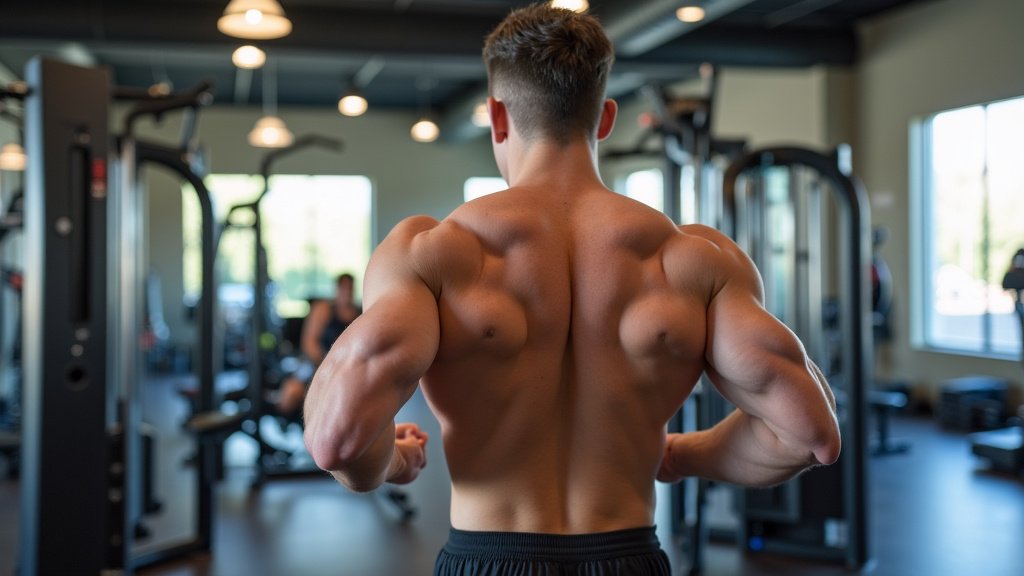
- Back: Rows, pull-downs, and rotational movements are perfect for your lats, rhomboids, and traps. It helps build a strong, stable back.
- Arms: Biceps curls, triceps extensions, and hammer curls are easy to set up. You can work your biceps and triceps with continuous tension.
- Core: This is where the functional trainer truly shines! Rotational twists, pallof presses, and chops engage your entire core. This includes your obliques, rectus abdominis, and lower back stabilizers.
- Legs and Glutes: Squats, lunges, leg extensions, and hamstring curls can all be done. You can even do cable kickbacks for glute isolation.
The Role of Stabilizer Muscles
One of the biggest advantages of a functional trainer is its emphasis on stabilizer muscles. These are the smaller muscles that support your joints during larger movements.
Unlike fixed-path machines, the cables provide an unstable environment. This forces your body to recruit these smaller muscles to maintain control. We found that this leads to much better coordination and injury prevention (Mayo Clinic).
Why Stabilizers Matter
Imagine trying to lift a heavy box. You don’t just use your big arm and back muscles. Your core, shoulders, and even your feet are working to keep you balanced and strong. That’s your stabilizers in action.
A functional trainer directly trains these muscles. This means you’ll improve your balance and feel more confident in everyday tasks. It’s like building a strong foundation for your house; everything else becomes more solid.
Specific Muscle Activation During Common Exercises
Let’s look at how specific exercises on a functional trainer activate various muscle groups. This will give you a clearer picture of its versatility.
You’ll see that even simple movements engage a complex network of muscles. This is because the machine allows for natural, multi-joint movements, just like in real life.
Pushing Movements
When you perform pushing exercises, you’re primarily targeting your chest, shoulders, and triceps. However, your core and even your legs will be involved for stability.
For example, a standing cable chest press isn’t just about your pecs. Your core has to brace to keep your body straight. Your feet are planted, and your glutes are engaged to prevent you from falling backward.
Bench Press vs. Cable Press
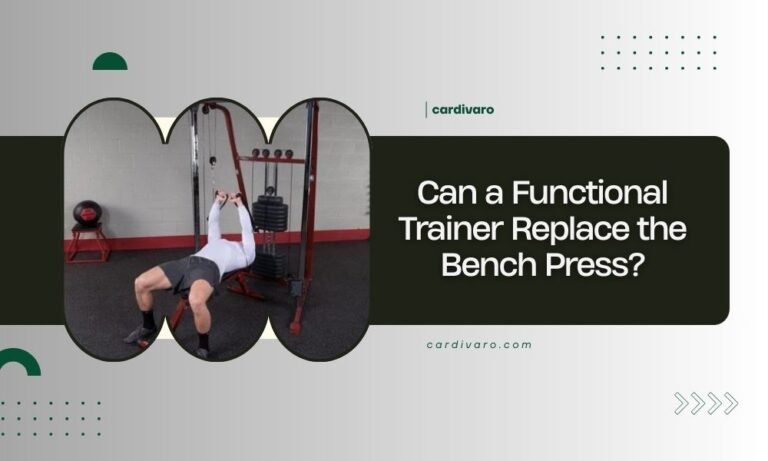
Think about the difference between a traditional barbell bench press and a cable press. With a barbell, the weight path is fixed. Your body has less room to move.
With cables, you have more freedom of movement. This means your stabilizer muscles in your shoulders and core have to work harder. We found this leads to better functional strength for pushing objects in daily life (Journal of Strength and Conditioning Research).
Pulling Movements
Pulling exercises are fantastic for building a strong back, biceps, and rear deltoids. Again, the core plays a significant role in maintaining posture and preventing rotation.
A cable row, for instance, works your lats, rhomboids, and biceps. But your core has to resist the pulling force, keeping your torso stable. This makes it a more comprehensive exercise.
Row Variations and Muscle Focus
The beauty of a functional trainer is the ability to vary your pulling angles. You can do low rows, high rows, or even face pulls.
Each variation subtly shifts the emphasis. Low rows hit your lower lats more. High rows target your upper back and rear deltoids. This allows you to sculpt your back with precision.
Beyond Major Muscles: Functional Benefits
While we’ve focused on individual muscles, the true power of a functional trainer lies in its ability to improve your overall functional fitness. This means how well your body works together for everyday tasks and athletic performance.
You’ll notice improvements in movements you perform daily, like carrying groceries or lifting a child. It’s about making your body more efficient and less prone to injury.
Improving Coordination and Balance
Because the cables allow for multi-directional and often unbalanced movements, your body constantly works to maintain equilibrium. This significantly improves your coordination and balance.
Consider a cable wood chop. You’re moving diagonally, rotating your torso, and resisting the pull of the cable. This requires your entire body to communicate and coordinate effectively. It’s fantastic for sports like golf or tennis.
Here’s a quick checklist of functional benefits you can expect:
- Enhanced core stability for daily movements.
- Improved balance, reducing fall risk.
- Greater coordination between upper and lower body.
- Increased power for sports and active hobbies.
- Better posture and reduced back pain.
- More efficient movement patterns overall.
Injury Prevention and Rehabilitation
Many physical therapists use functional trainers for rehabilitation purposes. The ability to control resistance and direction is ideal for safely rebuilding strength around injured joints (American Council on Exercise).
For you, this means a reduced risk of injury in the first place. By strengthening your stabilizer muscles and improving movement patterns, your joints become more resilient. You’re building a stronger, more robust body.
We found that incorporating functional movements into your routine can help address muscle imbalances that often lead to pain or injury. It helps your body move in a more natural and pain-free way.
You might wonder how a functional trainer compares to traditional free weights for specific muscle groups. Let’s look at a simple comparison:
| Muscle Group | Functional Trainer | Traditional Free Weights |
|---|---|---|
| Chest | Constant tension, versatile angles, excellent for stabilizers. | Heavy loads, builds raw strength, good for muscle mass. |
| Back | Varied pull angles, emphasizes muscle control and core. | Maximal load, builds overall back thickness and width. |
| Core | Superior for rotational and anti-rotational strength, stability. | Good for flexion/extension, limited for dynamic rotation. |
| Legs | Good for isolation and stability, constant tension on muscles. | Heavy compound lifts, builds significant leg mass and power. |
| Shoulders | Multi-plane movements, excellent for shoulder health and stability. | Heavy pressing, good for building overall shoulder size. |
As you can see, both have their strengths. A functional trainer often complements free weights beautifully by filling in the gaps in stabilizer strength and movement versatility.
Conclusion
You’ve seen how a functional trainer is a powerhouse for hitting almost every muscle. It builds real-world strength by engaging stabilizer muscles and promoting functional movement patterns. This machine excels in versatility, offering full-body workouts that improve coordination and balance. We found it’s fantastic for preventing injuries and enhancing your daily movement.
Ready to experience these benefits yourself? Consider adding functional trainer exercises to your routine to build a stronger, more resilient body.
Frequently Asked Questions
Can a functional trainer replace all other gym equipment?
While incredibly versatile, a functional trainer excels in functional strength and stabilizer muscle development. For maximal strength and muscle mass, you might want to combine it with free weights or specialized machines.
Is a functional trainer good for beginners?
Absolutely! The controlled resistance and ability to adjust angles make it very safe and effective for beginners. You can start with lighter weights and focus on proper form before progressing.
How often should I use a functional trainer?
You can use a functional trainer 3-5 times a week, just like any other resistance training. Listen to your body and ensure you get enough rest between sessions to allow for muscle recovery.
Does a functional trainer help with weight loss?
Yes, by building muscle and increasing your overall fitness, a functional trainer can certainly contribute to weight loss. Muscle burns more calories at rest, and functional movements are great for calorie expenditure.
What’s the main difference in muscle feel compared to free weights?
With a functional trainer, you’ll often feel constant tension throughout the entire movement. Free weights typically have a peak resistance point. This continuous tension helps work your muscles differently, especially your stabilizers.