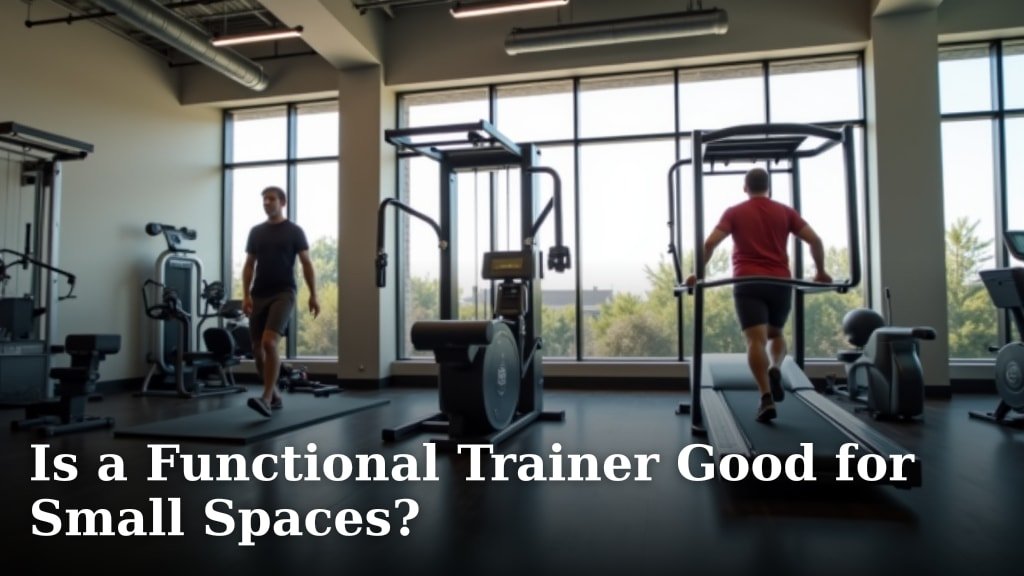
Yes, a functional trainer is generally good for small spaces, especially compared to many other gym machines. We found that many models offer excellent versatility in a compact footprint. You can often get a full-body workout without needing lots of extra room.
We found that these machines offer tremendous flexibility for various exercises. They can replace a whole rack of dumbbells and barbells. This means you can save significant floor space while still building strength and muscle effectively.
- Functional trainers save space.
- They offer many exercise options.
- You can get a full-body workout.
- They are versatile for home gyms.
Let’s dive into why a functional trainer might be the perfect fit for your home gym, even in tight quarters.
Optimizing Your Small Space with a Functional Trainer
You’re looking for a fitness solution that fits your home, not the other way around. We understand the challenge of wanting a great workout without dedicating an entire room to gym equipment. Functional trainers often provide an ideal answer.
These machines are designed with space efficiency in mind. They condense multiple exercises into one unit. This means you can say goodbye to clutter and hello to an organized workout area.
Understanding the Compact Footprint of Functional Trainers
Functional trainers are typically characterized by their vertical design. They often stand taller than they are wide. This helps them fit neatly against a wall or into a corner.
Unlike large weight racks or dedicated strength machines, functional trainers usually don’t demand a lot of floor space. We’ve seen many models that require as little as a 3×4 foot area for the machine itself. Of course, you’ll need a bit more room to move around.
Vertical Design and Wall Integration
Imagine a tall, narrow cabinet, but for your muscles. That’s often the visual footprint of a functional trainer. Their height allows for long cable pulls and a full range of motion, even in a tight room.
Many units are designed to be placed close to a wall. Some even offer wall-mounted options for maximum space-saving. This truly helps you reclaim your floor space.
What “Working Area” Really Means
The machine’s footprint is one thing. Your actual working area is another. You need enough space to perform exercises safely. This usually means an extra 2-3 feet on all sides of the machine. This allows you to extend your arms, step back for rows, or squat comfortably. Always measure your available space carefully before buying.
Versatility: A Space-Saving Superpower
Think about how many different movements you can do with just one set of dumbbells. Now multiply that by ten. That’s the power of a functional trainer. Its versatility is its greatest asset for small spaces.
Instead of needing separate machines for chest press, rows, triceps extensions, and leg exercises, a single functional trainer can do it all. This reduces the need for multiple pieces of equipment, which is a huge win for compact home gyms.
Full Body Workouts from One Station
You can target every major muscle group effectively. From upper body pushes and pulls to core twists and leg exercises, the options are extensive. This means you don’t need dedicated leg machines or arm machines cluttering your space.
We found that you can perform hundreds of different exercises. This makes it a true all-in-one gym solution for your home. It’s like having a personal trainer and an entire gym condensed into one footprint.
Cable Systems vs. Free Weights for Small Spaces
Let’s compare. Free weights like dumbbells and barbells offer great benefits. However, they require storage. A full set of dumbbells can take up considerable floor space with a rack. Barbells and weight plates also need racks and dedicated storage areas.
Cable systems on functional trainers use weight stacks. These weights are neatly enclosed within the machine’s frame. This means no loose weights to trip over or store separately. This organized approach is a major advantage for small home gyms.
| Feature | Functional Trainer | Traditional Free Weights |
|---|---|---|
| Footprint (Machine/Storage) | Compact, vertical design; weights enclosed. | Requires racks/shelves for weights; can spread out. |
| Exercise Variety | Hundreds of exercises; full body from one station. | Broad, but often requires multiple items (benches, racks). |
| Safety & Control | Constant tension, controlled movements; less risk of dropping. | Requires more balance/technique; potential for dropped weights. |
| Changing Resistance | Quick pin selection; very fast transitions. | Loading plates or swapping dumbbells; slower. |
| Portability (within room) | Fixed position, generally heavy. | Dumbbells can be moved easily; barbells less so. |
Maximizing Your Small Space: Practical Tips
So, you’ve decided a functional trainer is for you. How do you make the absolute most of it in your limited area? It comes down to smart planning and choosing the right model.
Choosing the Right Model for Your Home
Not all functional trainers are created equal when it comes to size. Some are larger, commercial-grade units. Others are specifically designed for home use and have a smaller footprint.
Look for models explicitly marketed as “compact” or “home gym friendly.” Check the dimensions carefully. Pay attention to both the machine’s footprint and the recommended working area. This will prevent surprises during setup.
- Measure your space accurately: Don’t guess!
- Consider corner units: Some are designed to fit snugly.
- Look for attachment storage: Keep handles tidy.
- Choose adjustable pulley heights: Maximizes exercise range.
- Prioritize a strong frame: Stability is key for safety.
Placement and Ergonomics
Where you put your functional trainer matters. An ideal spot is against a wall or in a corner. This helps define your workout zone. Avoid placing it in the middle of a room, which can make the space feel smaller.
Think about what’s around it. Do you have enough room for dynamic movements? Can you easily reach the weight stack and attachments? A well-placed machine enhances your workout experience and keeps your space feeling open.
Addressing Common Concerns About Small Space Gyms
You might worry about ventilation, noise, or even the aesthetic impact of a large piece of equipment. These are all valid concerns for any home gym in a small space.
Noise and Neighbor Considerations
Functional trainers are generally quieter than free weights. There’s no clanging of plates or dropping of dumbbells. The weights slide smoothly on guide rods. This makes them a good choice if you have downstairs neighbors or sleep in family members (Cleveland Clinic).
However, some noise can occur from the weight stack settling or the pulleys moving. You can minimize this by placing a mat underneath the machine. We found that a good quality mat also protects your floor.
Maintaining an Open Feel
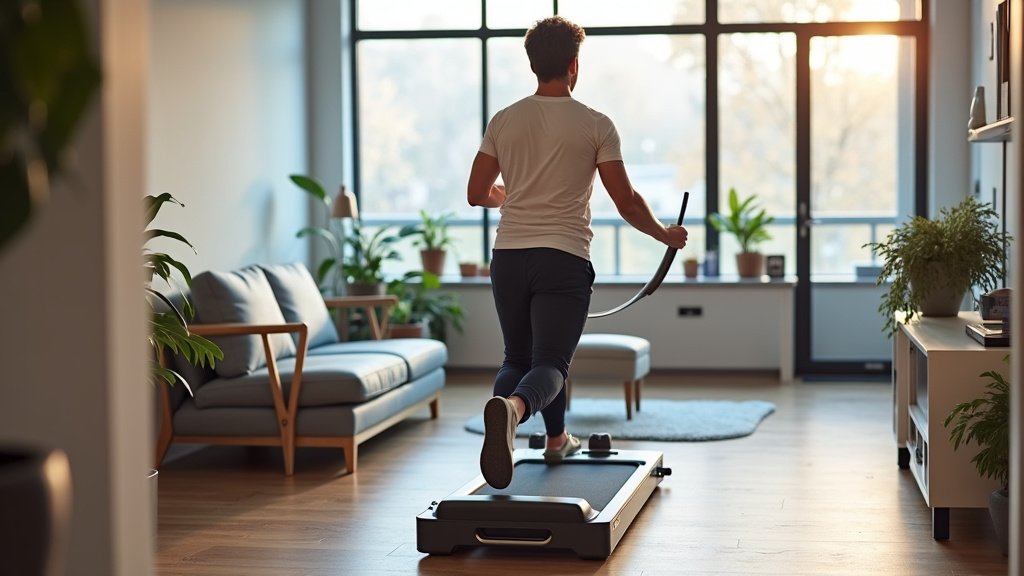
Even with a functional trainer, you want your small space to feel open and inviting. Keep the area around the machine clutter-free. Use wall-mounted shelving for small accessories like resistance bands or jump ropes. Consider mirrors on an adjacent wall; they can make a room feel much larger.
A tidy workout area encourages you to use it more often. It also prevents your functional trainer from feeling like an overwhelming presence in a small room.
Conclusion
So, is a functional trainer good for small spaces? Absolutely. We’ve shown how its compact, vertical design and incredible versatility make it an ideal choice for your home gym. You can perform a vast array of exercises, replacing numerous individual machines and free weights.
This allows you to achieve a full-body workout without sacrificing precious square footage. By choosing the right model and planning your layout, you can maximize your fitness potential even in tight quarters. Start by measuring your space and researching compact models today.
Frequently Asked Questions
How much space do I really need around a functional trainer?
While the machine itself can be compact, you’ll need an additional 2-3 feet on all sides for safe movement. This “working area” ensures you can extend your limbs and perform exercises without hitting walls or furniture. Always measure your total usable space.
Can a functional trainer fully replace free weights in a small gym?
For most home users in small spaces, yes, a functional trainer can largely replace free weights. It offers constant tension and a wide range of motion. This can often provide a more complete and space-efficient strength training solution than a full set of dumbbells and barbells.
Are smaller functional trainers stable enough for intense workouts?
Yes, many compact functional trainers are designed with stability in mind. Look for models with heavy-gauge steel frames and solid construction. Even smaller units should feel sturdy and secure during your exercises, especially when placed on a protective mat.
Do functional trainers come with all the attachments I need?
Most functional trainers include basic attachments like D-handles, a straight bar, and an ankle strap. However, you might want to purchase additional accessories over time. These could include a tricep rope, a landmine attachment, or various grip handles to expand your exercise options further.
How noisy are functional trainers compared to other home gym equipment?
Functional trainers are generally much quieter than free weights. The weight stacks slide smoothly on guide