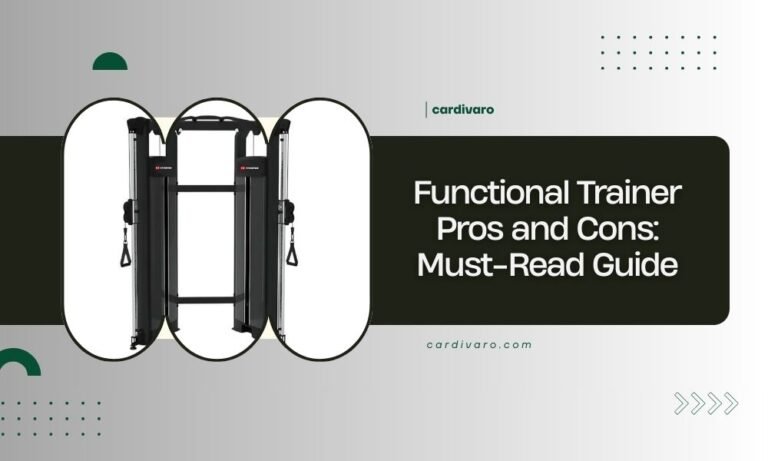
On your first day using a functional trainer, you should focus on learning the machine’s basic functions, understanding proper form for simple exercises, and setting up the correct resistance. It’s a day for exploration, not for heavy lifting or complex routines.
Many people feel a little lost when they first step up to a functional trainer. Don’t worry, that’s totally normal. We found that taking your time to get comfortable with the equipment is the most effective approach. Think of it as a friendly introduction to a versatile piece of gym equipment.
- Understand the basics of the functional trainer.
- Learn how to adjust the pulleys and resistance.
- Focus on light weights and correct exercise form.
- Start with simple, foundational movements.
- Don’t be afraid to ask for help from gym staff.
Ready to make friends with your new workout partner? Let’s walk through exactly how to make the most of your first day with a functional trainer.
Getting Started with Your Functional Trainer Journey
Your first interaction with a functional trainer doesn’t have to be intimidating. We found that approaching it with curiosity and a focus on basics will make all the difference. Think of it as meeting a new friend; you want to learn their name and what they’re good at before you ask them to help you move furniture.
The goal today is simple: familiarize yourself with the machine. You’ll learn how to adjust it, understand how it provides resistance, and perform a few simple movements with good form. This foundational work prevents confusion and potential injury down the line.
Understanding the Core Components
Before you even think about lifting, take a moment to look at the functional trainer. You’ll see a large frame, typically with two adjustable columns. These columns house the weight stacks and the cables.
The beauty of a functional trainer lies in its versatility. Unlike fixed-path machines, it allows for a wide range of motion, mimicking everyday movements. This helps build real-world strength and stability (American Council on Exercise).
The Weight Stacks
Behind the columns, you’ll find the weight stacks. These are the plates that provide resistance. You’ll typically see a pin that you can insert into a hole to select your desired weight. For your first day, we recommend starting with the lightest possible weight.
Don’t be a hero. It’s about learning the movement, not ego lifting. Many people make the mistake of going too heavy too soon, which can compromise form and lead to poor results or even injury.
The Pulleys and Cables
The cables are the heart of the functional trainer. They run through the pulleys, connecting the weight stack to various attachments. You’ll notice that the pulleys can be moved up and down the columns.
Learning how to adjust these pulleys is your first key skill. You’ll usually find a lever or a pin that releases the pulley, allowing you to slide it to your desired height. Practice moving them up and down a few times. Feel how they lock into place.
Attaching Handles and Accessories
Functional trainers come with a variety of attachments. On your first day, you’ll likely stick to the most common ones: D-handles. These are simple, ergonomic handles that attach to the cable carabiner.
Practice attaching and detaching a D-handle. It’s usually a simple clip mechanism, similar to a keychain. Ensure it’s securely fastened before you start any exercise. A loose attachment can be a surprise you don’t want.
Setting Up for Your First Movement
Now that you know the parts, let’s put it together. We found that a good first exercise is a simple cable chest press or a cable row, as they clearly demonstrate the machine’s function. Let’s consider a standing cable chest press.
Stand between the two columns. Set both pulleys to shoulder height. Select a very light weight on both stacks. Attach a D-handle to each cable.
Take a small step forward, keeping a slight bend in your knees. Your core should be engaged. This initial setup is crucial for stability and balance.
Proper Body Positioning
Think about your stance. A staggered stance (one foot slightly in front of the other) can provide more stability, especially when you’re just starting. Keep your chest up and shoulders back. Avoid hunching over.
Your body should be in a strong, athletic position. Imagine you’re about to push something heavy. This mental cue can help you find the right posture automatically.
Executing Basic Movements with Control
For your first day, focus on slow, controlled movements. We’re not aiming for speed or power yet. The goal is to feel the muscle working and ensure your form is correct.
A functional trainer provides constant tension throughout the movement, which is different from free weights. Embrace this consistent resistance; it’s great for muscle engagement.
-
Cable Chest Press: Start with handles at your chest, elbows bent. Push straight forward, extending your arms without locking your elbows. Slowly return to the starting position. Feel the chest muscles working.
-
Cable Row: Face the machine, pulleys at chest height. Grab the handles, step back to create tension. Pull the handles towards your torso, squeezing your shoulder blades together. Control the return.
-
Cable Bicep Curl: Set pulleys to their lowest position. Face the machine, grab handles with an underhand grip. Curl hands towards your shoulders, keeping elbows tucked. Lower slowly.
-
Cable Tricep Pushdown: Set pulleys to their highest position. Face away from the machine (or use a rope attachment). Push handles down, extending your arms. Feel the triceps contract.
-
Cable Wood Chop (Rotational): Set one pulley to a high position. Stand sideways to the machine, feet shoulder-width apart. Grab the handle with both hands. Rotate your torso down and across your body, like chopping wood. This introduces a rotational element.
Perform each exercise for 2-3 sets of 8-12 repetitions. If your form starts to falter, stop. It’s better to do fewer reps with perfect form than many with bad form.
Essential Safety and Etiquette Tips
Using a functional trainer, like any gym equipment, comes with some unwritten rules. Following these ensures a safe and pleasant experience for everyone.
Weight Selection and Adjustment Safety
Always ensure the weight pin is fully inserted into the stack. A partially inserted pin can cause the weight to drop unexpectedly, which is both loud and dangerous. Double-check before you start your set.
When adjusting pulley heights, make sure the pin locks securely into one of the holes. Don’t force anything. If it feels stuck, re-evaluate. There’s usually a button or lever that needs to be pressed correctly.
Maintaining Control and Space
Always maintain control of the cables. Don’t let them snap back against the machine. This is not only noisy but can damage the equipment or injure someone standing nearby.
Be aware of your surroundings. Functional trainers take up a good amount of space. Ensure you have enough room to perform your movements without bumping into other people or equipment.
| Do’s on Your First Day | Don’ts on Your First Day |
|---|---|
| Start with the lightest weight. | Attempt heavy lifting. |
| Focus on learning machine adjustments. | Rush through exercises. |
| Practice attaching/detaching handles. | Try complex, multi-joint movements. |
| Perform 2-3 simple, foundational exercises. | Ignore proper form for more reps. |
| Ask gym staff for assistance. | Be afraid to ask questions. |
| Maintain slow, controlled movements. | Let cables snap back uncontrolled. |
Don’t Hesitate to Ask for Help
This is perhaps the most important tip for your first day. If you’re unsure about anything – how to adjust a pulley, attach a handle, or perform an exercise – ask a gym staff member. They are there to help you.
Many gyms offer a complimentary orientation session when you sign up. If you haven’t taken advantage of this, now might be a good time to ask for a quick run-through on the functional trainer. Safety first, always.
Your First Day Functional Trainer Checklist
To recap, here’s a handy checklist to ensure you’ve covered all the essentials on your inaugural session:
- Locate and identify the weight stacks and adjustment pins.
- Practice adjusting the height of both pulleys.
- Learn how to securely attach and detach a D-handle.
- Perform 2-3 simple exercises (e.g., chest press, row, bicep curl) with light weight.
- Focus intently on maintaining correct form throughout every rep.
- Confirm the weight pin is fully inserted before each set.
By following these steps, you’ll build a solid foundation for more advanced training with your functional trainer. Your first day isn’t about breaking records; it’s about building confidence and competence. Good luck, and enjoy the journey!

Conclusion
Your first day with a functional trainer is all about building a strong foundation. By taking the time to understand its components, practice adjustments, and perform simple movements with correct form, you’re setting yourself up for success. We found that patience and attention to detail now will prevent frustration later. Don’t rush the process; instead, focus on control and learning. Keep practicing these basics, and soon you’ll be confidently exploring the vast potential this machine offers for your fitness journey.
Frequently Asked Questions
How often should I use a functional trainer as a beginner?
As a beginner, we recommend starting with 2-3 sessions per week. This allows your muscles to adapt and recover. Gradually increase frequency as your strength and comfort improve.
Can I get a full-body workout using just a functional trainer?
Absolutely! A functional trainer is incredibly versatile. You can effectively target every major muscle group, performing pushing, pulling, and rotational movements for a comprehensive workout.
What if I feel pain during an exercise on the functional trainer?
Stop immediately if you feel any sharp or unusual pain. Re-evaluate your form, check the weight, and consider reducing the resistance. If pain persists, consult with a fitness professional or doctor.
Are there different types of handles I should try on my first day?
On your first day, stick to the basic D-handles. Once you’re comfortable, you can explore other attachments like rope handles, ankle straps, or straight bars. Each offers unique exercise variations.
Should I use a spotter when first using a functional trainer?
For most initial exercises with light weight, a spotter isn’t strictly necessary. However, if you’re attempting a new, more challenging movement or feel unsure, having gym staff or a friend nearby can provide extra confidence and safety.