Yes, you can use a functional trainer outdoors, but it comes with some important considerations. You’ll need to think about weather protection and the type of equipment. This helps ensure your gear lasts and works well.
Taking your workouts outside can be really refreshing, right? But with a functional trainer, you’re dealing with sensitive parts. You want to make sure your investment stays safe from the elements. We’ve looked into what works best for outdoor setups.
- Outdoor use is possible but requires care.
- Weather protection is key for longevity.
- Rust and wear are major concerns for outdoor equipment.
- Proper anchoring is essential for safety.
- Some trainers are better suited for outdoor use than others.
Let’s walk through everything you need to know about setting up and maintaining your functional trainer outside. We’ll help you make the best choices for your outdoor gym.
Setting Up Your Functional Trainer Outdoors: What You Need to Know
You can absolutely take your functional trainer outside, but it’s not as simple as just rolling it out the door. We found that a bit of planning and preparation will save you a lot of headaches. It also helps protect your investment. Think about where it will go and what it needs to endure.
Location, Location, Location
Choosing the right spot for your outdoor functional trainer is critical. You want a place that offers both convenience and protection. Not all areas are created equal for gym equipment.
Surface Considerations
What kind of surface will your functional trainer sit on? This isn’t just about comfort; it’s about stability and safety. You need a level, sturdy base. Uneven ground can cause your machine to wobble. This can be dangerous during your workouts (National Safety Council).
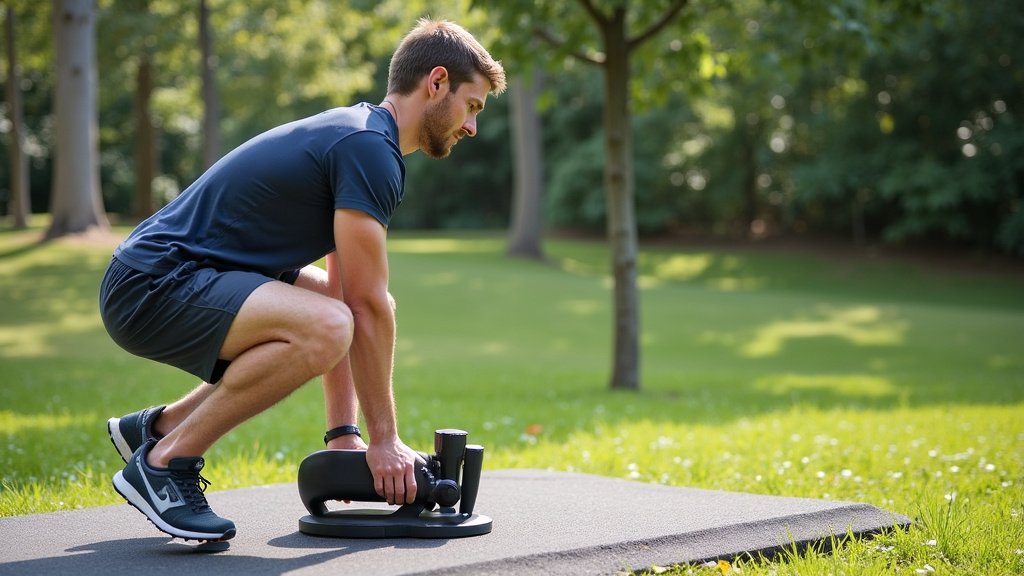
- Concrete or paved patio: These are excellent choices. They provide a firm, flat foundation. You might want to add some interlocking rubber mats for extra cushioning and floor protection.
- Decking: A well-built, stable deck can work. Ensure it’s strong enough to support the weight of the machine and your body movements. Older decks might not be up to the task.
- Grass or dirt: These are generally not recommended. They are often uneven and can become muddy. This introduces moisture and stability issues. If you must use grass, consider laying down a large, durable ground tarp or plywood first.
Shade and Shelter
Direct sunlight and rain are not friends to your functional trainer. Prolonged exposure can cause damage and speed up wear. Think about finding a spot with natural or artificial shelter.
- Overhangs or pergolas: These offer great protection from direct sun and some rain. They can make your outdoor workout much more comfortable.
- Trees: Large, mature trees can provide natural shade. But remember, they also drop leaves, sap, and other debris. This means more cleaning for you.
- Dedicated covers: Even with some shelter, a good, waterproof cover is a must. We’ll talk more about covers soon.
Weathering the Elements: Protection is Key
Your functional trainer is a significant investment. Leaving it exposed to the whims of Mother Nature can shorten its lifespan. Protecting it from the elements is non-negotiable for outdoor use.
Moisture and Rust Prevention
Water is the enemy of metal. Rain, humidity, and even morning dew can lead to rust. Rust compromises the structural integrity and smooth operation of your machine.
- Regular cleaning and drying: After any rain or heavy dew, wipe down your machine thoroughly. Pay attention to cables, pulleys, and any exposed metal parts.
- Lubrication: Moving parts, especially cables and pulleys, benefit from regular lubrication. Use a silicone-based spray or a rust-inhibiting lubricant. This helps repel moisture and keeps things running smoothly. Learn more about how to lubricate functional trainer cables to prevent rust and ensure smooth operation.
- Protective coatings: Some parts might benefit from a clear coat of rust-preventative spray. Do your research to ensure it’s safe for your equipment’s materials.
Sun and UV Damage
The sun’s UV rays can be surprisingly destructive. They can fade colors, crack plastic components, and weaken rubber parts over time. Think about how your car’s dashboard fades if left in the sun.
- UV-resistant covers: A high-quality, UV-resistant cover is your best defense. It shields your machine from direct sunlight when not in use.
- Positioning: If possible, orient your functional trainer to minimize direct sun exposure, especially during the hottest parts of the day.
Temperature Extremes
Extreme heat and cold can also impact your equipment. Very high temperatures can cause plastic components to warp. Very low temperatures can make materials brittle. We found that equipment performs best within a moderate temperature range (American Society for Testing and Materials).
Try to store your functional trainer in a spot where temperature fluctuations are not too severe. If you live in an area with harsh winters, consider bringing the machine indoors or into a garage for the season. This is the best way to prolong its life.
Equipment Design and Durability
Not all functional trainers are created equal when it comes to outdoor resilience. Some are built tougher than others. When considering outdoor use, the construction materials and design matter greatly.
Material Matters
The type of materials used in your functional trainer plays a huge role in its suitability for outdoor use. Here’s what to look for:
| Component | Best for Outdoors | Less Ideal for Outdoors |
|---|---|---|
| Frame | Powder-coated steel, stainless steel, aluminum | Standard painted steel (prone to chipping/rust) |
| Cables | Nylon-coated aircraft-grade steel | Uncoated or poorly coated cables |
| Pulleys | Sealed bearings, nylon or aluminum wheels | Open bearings, plastic wheels |
| Upholstery/Handles | Marine-grade vinyl, durable rubber, composite materials | Standard foam, exposed grip tape |
Powder-coating on steel frames is a good sign. It offers a much more durable and rust-resistant finish than standard paint. Stainless steel is even better, but also more expensive. Aluminum is lightweight and rust-proof. Look for these features when buying a new machine with outdoor use in mind.
Rust-Resistant Finishes
Beyond the base material, the finish is important. A good powder coat creates a barrier against moisture. It also resists scratches and chips better than regular paint. We found that a good finish makes a significant difference in longevity. You want to avoid equipment with thin, easily chipped paint.
Security and Anchoring for Safety
An outdoor functional trainer isn’t just subject to weather. It’s also exposed to potential theft and wind. Plus, during your workout, you need to ensure it stays put.
Preventing Theft
Unfortunately, outdoor equipment can be a target for theft. If your functional trainer is easily accessible, consider security measures. A heavy-duty chain and lock might deter casual thieves. If you have a shed or garage, storing it there when not in use is ideal. We’ve seen many people use security cameras for their outdoor spaces.
Stability During Workouts
This is a big one for your safety. Functional trainers involve pulling and pushing in various directions. This creates forces that can shift or even tip an unsecured machine. Proper anchoring is non-negotiable.
- Base bolting: Many functional trainers have holes in their base. You can bolt them directly to a concrete slab or a sturdy wooden platform. Use appropriate anchor bolts for your surface.
- Weight plates: If bolting isn’t an option, adding extra weight plates to the base can increase stability. Always check your machine’s manual for guidance on this.
- Wall mounting: Some smaller functional trainers or cable machines are designed to be wall-mounted. If you have a suitable exterior wall (like brick or concrete), this can be very stable.
Wind and Storm Protection
Strong winds can be a problem, especially for taller machines. Even a heavy piece of equipment can be damaged or shifted in a strong gust. A good cover, especially one that fits snugly, can help. If severe weather is predicted, consider temporarily moving smaller components indoors. Or, at the very least, ensure your machine is well-anchored and covered securely.
Maintenance Checklist for Outdoor Use
Regular maintenance becomes even more important for an outdoor functional trainer. It’s not just about keeping it clean; it’s about proactively preventing damage and ensuring smooth operation. Think of it like maintaining a car that’s always outside. Our functional trainer maintenance guide provides detailed steps to keep your equipment in top condition.
- Wipe down all surfaces after each use to remove sweat and environmental debris.
- Inspect cables and pulleys weekly for fraying or damage; lubricate monthly.
- Check bolts and connections regularly (monthly or bi-monthly) for tightness.
- Clean track systems and moving parts with a damp cloth and mild cleaner.
- Apply a rust-inhibiting spray to exposed metal parts every few months.
- Ensure your protective cover is clean, intact, and used consistently.
By following these steps, you’re not just maintaining your machine; you’re protecting your health and prolonging your ability to enjoy those refreshing outdoor workouts. After all, nobody wants to deal with a squeaky, rusty machine when they’re trying to focus on their fitness goals.
Conclusion
Taking your functional trainer outdoors offers a fantastic way to refresh your fitness routine. You’ve seen that it’s entirely possible with the right approach. By focusing on smart location choices, robust weather protection, and consistent maintenance, you can greatly extend your equipment’s life. Remember, your investment deserves care, especially when exposed to the elements. Don’t let the weather deter your outdoor fitness dreams; instead, equip yourself with the knowledge to make it a lasting reality. Now, go enjoy that fresh air while you train!
Frequently Asked Questions
Can I leave my functional trainer outside all year?
While possible, it’s generally not recommended in regions with harsh winters or extreme summers. We found that bringing your trainer into a garage or indoors during severe weather helps prolong its life. This prevents damage from extreme temperatures and moisture buildup.
What’s the most important thing to protect my functional trainer from outside?
Moisture and direct sunlight are the biggest threats. Water leads to rust, and UV rays degrade plastic and rubber components. A high-quality, waterproof, and UV-resistant cover is essential to combat both.
Do I need a special type of functional trainer for outdoor use?
Not necessarily “special,” but some are better suited. Look for trainers made with powder-coated steel, stainless steel, or aluminum frames. Also, prioritize nylon-coated cables and sealed pulleys for better resistance to outdoor conditions.
How often should I clean an outdoor functional trainer?
You should wipe down all surfaces after each use to remove sweat and debris. A deeper cleaning and inspection of cables, pulleys, and bolts should happen weekly or bi-monthly. Regular cleaning prevents grime and rust from accumulating.
Is anchoring really necessary for an outdoor functional trainer?
Yes, absolutely. Anchoring ensures stability during your workouts, preventing the machine from shifting or tipping. It also protects against strong winds, which could otherwise damage or move your equipment.