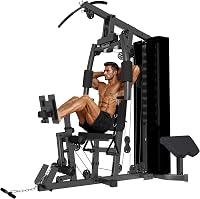
How Do You Weatherproof a Functional Trainer for Outdoor Use?
On this page (3 sections)
Yes, you absolutely can weatherproof a functional trainer for outdoor use with the right preparation. The key is to protect metal components from rust and shield electronics from moisture. Proper sealing and covering will help your equipment last. You want to keep it working great for years.
Taking your home gym outside offers a refreshing workout experience. However, the elements can be tough on your fitness gear. Many people wonder about the best ways to safeguard their functional trainers. We found that a little preventative care goes a long way. It’s about smart material choices and consistent maintenance.
- Protect metal from rust with coatings.
- Seal electrical parts against water damage.
- Use durable, weather-resistant covers.
- Store it properly when not in use.
- Regular cleaning is also important. Regular cleaning is also important for maintaining your functional trainer’s condition, as detailed in our maintenance guide.
Let’s walk through exactly how you can get your functional trainer ready for the great outdoors. We’ll cover the essential steps to keep it in top shape.
You’ve got your functional trainer, a powerhouse for your workouts. Now you want to move it outside for some fresh air and sunshine. That’s a fantastic idea! But the weather can be a real bully to your equipment. You might be asking yourself, “Can I really make this thing outdoor-proof?” The answer is a resounding yes!
Protecting Your Functional Trainer for Outdoor Workouts
Making your functional trainer ready for the outdoors is all about shielding it from the elements. See more about using a functional trainer outdoors. This means thinking about rust, moisture, and UV damage. With the right steps, your trainer can live a long, productive life outside.
Step 1: Assess Your Trainer’s Current State
Before you do anything, take a good, hard look at your functional trainer. Are there any existing rust spots? Are the cables looking worn? Is the padding cracked? Knowing what you’re starting with helps you target your efforts. You want to catch problems early.
Step 2: Tackle Rust and Corrosion Head-On
Metal and moisture are enemies. Rust is the most common issue when you take gym equipment outside. You need to get ahead of it.
Removing Existing Rust
For any small rust spots, you can use a wire brush or sandpaper. Get the metal smooth and clean. Then, wipe the area down thoroughly with a clean cloth. Ensure it’s completely dry.
Applying Protective Coatings
This is where you build your defense. Many experts recommend using a rust-inhibiting primer. Follow this with a durable, exterior-grade paint or clear coat. Think of it like giving your trainer a tough, protective skin. For heavy-duty protection, some people opt for a spray-on ceramic coating. This offers an extra layer of defense against the elements (Popular Mechanics).
Research and found that using marine-grade lubricants on moving parts can also help repel water. Always follow the manufacturer’s recommendations for your specific model when applying any coatings or lubricants.
Step 3: Seal and Protect Electrical Components
If your functional trainer has any electronic displays or motors, this is a critical step. Moisture can wreak havoc on electronics.
Waterproofing Control Panels and Displays
You’ll want to seal any openings around buttons, screens, and wires. Silicone sealant is your friend here. Use it to create a waterproof barrier. Ensure you are using a sealant designed for outdoor use and that can withstand temperature changes.
Protecting Motors and Wiring
For motors, you might need specialized covers. Some manufacturers offer weather-resistant enclosures. If not, you can create a DIY cover using waterproof fabric or plastic sheeting. Secure it well, ensuring no gaps. Electrical tape designed for outdoor use can help seal wire connections. Always disconnect power before working on any electrical parts!
Step 4: Protect Upholstery and Padding
Sun and rain can degrade vinyl and foam. This leads to cracking and peeling.
UV Protection
UV rays are tough on materials. Apply a protectant specifically designed for vinyl or plastic. These products often contain UV blockers. Think of it like sunscreen for your trainer’s padding. You’ll need to reapply these periodically.
Waterproofing Upholstery
For fabric elements, a water-repellent spray can help. These sprays create a barrier that causes water to bead up and roll off. Test the spray on an inconspicuous area first to ensure it doesn’t discolor the fabric.
Step 5: Consider a Weatherproof Cover
Even with all your preparation, a good cover is your best line of defense. It’s like a raincoat for your functional trainer.
Choosing the Right Cover
Look for covers made from durable, waterproof, and UV-resistant materials. Heavy-duty polyester or vinyl are good choices. Ensure the cover is large enough to fit your trainer completely. It should also have straps or a drawstring to secure it tightly. This prevents wind from lifting it off.
Covering Your Trainer
Always make sure your trainer is completely dry before putting the cover on. Trapped moisture is a breeding ground for mold and mildew. Secure the cover snugly. This keeps out rain, snow, dust, and curious critters.
Step 6: Location, Location, Location!
Where you place your functional trainer matters. A sheltered spot is ideal. Where you position your trainer matters, and our guide on garage installation offers tips for placement.
Finding the Best Spot
Try to position your trainer under an overhang, like a porch roof or a carport. This provides natural protection from direct rain and sun. Avoid areas that collect water or are prone to flooding. You don’t want your equipment sitting in puddles.
Surface Considerations
Ensure the ground beneath your trainer is stable and drains well. Placing it on a rubber mat or a specialized outdoor gym flooring can help. This adds another layer of protection and stability.
Step 7: Ongoing Maintenance is Key
Weatherproofing isn’t a one-time job. Regular checks and upkeep are essential.
Regular Cleaning Schedule
Clean your trainer often. Use a mild soap and water solution. Wipe it down to remove dust, dirt, and any salt residue if you live near the coast. Always dry it thoroughly afterwards.
Inspecting for Wear and Tear
Periodically inspect all parts of your trainer. Check cables for fraying, bolts for looseness, and paint for chips. Address any issues immediately. Catching small problems early saves you big headaches later.
Here’s a quick checklist to keep you on track:
- Inspect for rust and damage.
- Apply rust inhibitors and protective paint.
- Seal all electronic components from moisture.
- Use UV protectants on upholstery.
- Invest in a durable, waterproof cover.
- Clean and inspect regularly.
Conclusion
You’ve learned how to transform your functional trainer for outdoor use! Protecting your equipment from rust, moisture, and UV rays is totally achievable. By taking steps like applying protective coatings, sealing electronics, and using a quality cover, you can ensure its longevity. Consistent cleaning and regular inspections are your final defense. Now, go ahead and give your functional trainer the outdoor upgrade it deserves. Your next fresh-air workout awaits!
Frequently Asked Questions
How often should I clean my outdoor functional trainer?
You should aim to clean your functional trainer at least once a month. More frequent cleaning might be necessary if you live in a very humid or coastal environment. Always wipe it down after heavy use, especially if it gets wet.
Can I leave my functional trainer outside all year round?
While you can weatherproof it, leaving it outside year-round carries risks, especially in harsh climates with snow and ice. If possible, consider bringing it into a garage or shed during extreme winter months. This provides an extra layer of protection.
What kind of paint is best for rust prevention on metal parts?
Look for an exterior-grade, rust-inhibiting primer followed by a durable exterior paint or clear coat. Some people opt for a marine-grade enamel paint for maximum protection against the elements. Always ensure the metal is clean and dry before painting.
Do I need to worry about insects or small animals damaging my trainer?
Yes, it’s a good idea to consider this. A tight-fitting cover will help deter most insects and small animals. Ensuring the trainer is placed on a stable surface, not directly on soil, can also minimize issues with burrowing creatures.
Is it worth investing in a specific outdoor functional trainer instead?
Outdoor-specific functional trainers are built with materials inherently resistant to rust and UV damage, meaning less initial prep work for you. Compare a compact outdoor functional trainer if space is limited. If you plan to keep your trainer outdoors permanently and want maximum durability with minimal ongoing effort, it could be a worthwhile long-term investment.