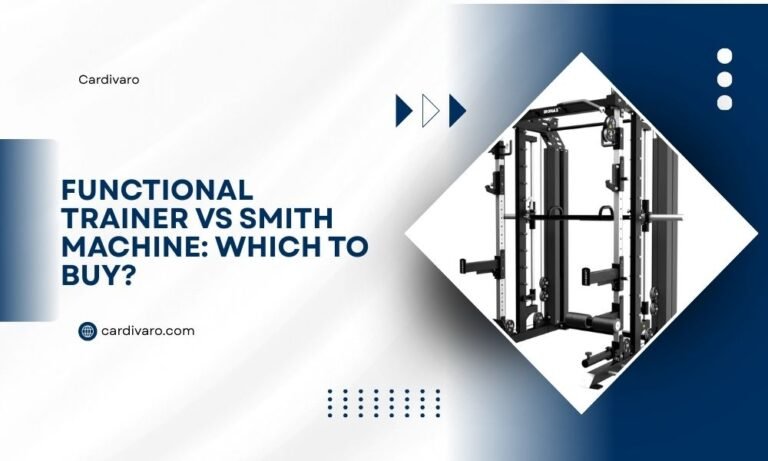
No, you generally do not need to buy weight plates separately for a functional trainer. Most functional trainers come with built-in weight stacks. This design makes them ready to use right out of the box for your workouts.
You might be thinking about other types of gym equipment that do require separate plates. Functional trainers are different because their weight system is part of the machine itself. This means you won’t be loading and unloading traditional barbell plates, which is super convenient.
TL;DR:
- Functional trainers usually include a built-in weight stack.
- You won’t need to buy extra weight plates.
- This saves you money and space.
- It also makes workouts smoother and faster.
Let’s dive deeper into how functional trainers work and what this means for your home gym setup. We’ll cover everything you need to know about their weight systems.
Understanding Functional Trainer Weight Systems
Most functional trainers come with their own weight stacks built right in. You won’t need to buy extra weight plates.
This is a big relief for many home gym owners. Imagine not having to store bulky plates! It also means your workouts can start instantly. No fumbling around to load up a bar. We found that this integrated design is a key feature of functional trainers.
How Integrated Weight Stacks Work
A functional trainer typically uses a system of cables and pulleys. These cables connect to one or more weight stacks. Each stack is a series of flat, rectangular plates. You select your desired weight by inserting a pin into the stack. It’s that simple.
When you pull on a handle, the cable lifts the selected plates. This creates resistance for your exercise. It’s a very smooth and controlled motion. Many users appreciate the consistency of this system. We found that it makes adjusting weights quick and easy.
Pin-Loaded vs. Plate-Loaded Systems
Functional trainers are almost always “pin-loaded.” This means you use a pin to select the weight from a built-in stack. “Plate-loaded” equipment, on the other hand, requires you to add separate Olympic or standard plates. For example, a leg press machine might be plate-loaded. But your functional trainer will likely be pin-loaded (National Strength and Conditioning Association).
Pin-loaded systems are generally safer. There’s less risk of dropping weights. They also keep your workout area tidy. You won’t have plates scattered on the floor. This convenience is a major benefit for home gyms.
Comparing Functional Trainers with Other Gym Equipment
It’s easy to get confused with all the different types of gym equipment. Let’s clear up how functional trainers differ. Understanding these differences can save you money and headaches. We found that many people often compare functional trainers to smith machines or power racks.
A functional trainer is designed for versatile, multi-joint movements. It mimics natural body motions. Think about throwing a ball or chopping wood. The cable system allows for a full range of motion. This can help improve your everyday strength and stability (American Council on Exercise).
Functional Trainers vs. Power Racks
A power rack is a cage-like structure. It’s designed primarily for barbell exercises. You’d use it for squats, bench presses, and deadlifts. For a power rack, you absolutely need to buy weight plates separately. These are typically Olympic plates (2-inch diameter hole).
A power rack focuses on free weight lifting. It builds raw strength. A functional trainer focuses on controlled movements and muscle isolation. They complement each other well. But one needs plates, and the other does not.
Why the Distinction Matters for Your Purchase
When you buy a power rack, the cost of plates can be significant. A full set of Olympic plates can add hundreds of dollars to your total. For a functional trainer, that cost is already factored in. This makes the initial price seem higher. But you’re getting a complete system. We found that budgeting for plates is a common oversight when buying power racks.
Functional Trainers vs. Smith Machines
A Smith machine has a barbell fixed within steel rails. It moves vertically only. Some Smith machines are plate-loaded. Others have built-in weight stacks. If it’s plate-loaded, then yes, you’d buy plates separately. But if it has a stack, you wouldn’t.
The key difference is movement. A Smith machine restricts your movement. A functional trainer offers free, unrestricted motion. This freedom of movement is a big advantage for functional training. It helps engage stabilizer muscles (Journal of Strength and Conditioning Research).
| Equipment Type | Needs Separate Weight Plates? | Primary Use |
|---|---|---|
| Functional Trainer | No (built-in stack) | Versatile, multi-plane movements |
| Power Rack | Yes (barbell exercises) | Barbell squats, bench press, deadlifts |
| Smith Machine (plate-loaded) | Yes | Fixed path barbell exercises |
| Smith Machine (stack-loaded) | No | Fixed path barbell exercises |
| Selectorized Weight Machines | No (built-in stack) | Targeted muscle isolation |
Potential Exceptions and Add-ons
While functional trainers usually come complete, there are a few exceptions. Or, you might want to enhance your setup. It’s always good to be aware of these possibilities. We found that these situations are less common but worth mentioning.
Machines with Optional Weight Stack Upgrades
Some high-end functional trainers offer “upgrade packages.” This means you can buy a machine with a heavier weight stack later on. For example, a base model might have a 150 lb stack. You might be able to purchase an upgrade to a 200 lb stack. This isn’t buying separate plates, but rather a larger integrated stack.
This option is great if your strength grows over time. It saves you from buying a whole new machine. Always check the manufacturer’s specifications. They will clearly state if an upgrade is available.
Accessory Attachments and Their Weight Needs
Functional trainers are super versatile. You can attach many different accessories. These include various handles, ankle straps, and bars. None of these accessories require you to buy separate weight plates. They all use the machine’s existing weight stack.
However, some functional trainers can integrate with other equipment. For example, you might add a separate leg press attachment. If that attachment is plate-loaded, then you would need plates for that specific add-on. But not for the functional trainer itself.
Advantages of Built-In Weight Stacks
The design choice of built-in weight stacks offers many benefits. It makes functional trainers very user-friendly. We found that these advantages contribute significantly to a better workout experience. You’ll enjoy the simplicity and efficiency.
Convenience and Space Saving
Imagine not needing a separate rack for your weight plates. Or not tripping over loose plates. Built-in stacks keep your gym area neat. They also save valuable floor space. This is a huge plus for home gyms. Many experts agree that organization boosts workout consistency (National Institutes of Health).
Adjusting weight is also incredibly fast. You just move a pin. This means less downtime between sets. Your heart rate stays up, and your workout flows better. It’s like having a personal assistant for your weights.
Safety and Ease of Use
Built-in weight stacks are inherently safer. There’s no risk of dropping heavy plates on your feet. The weight is enclosed and controlled. This gives you peace of mind during your workout. Especially if you’re working out alone at home.
They are also very easy to use for all fitness levels. Beginners can quickly learn to select weights. Experienced lifters can make rapid adjustments. This accessibility encourages more consistent exercise (Centers for Disease Control and Prevention).
Checklist for Buying a Functional Trainer
When you’re ready to buy a functional trainer, keep these points in mind. This checklist will help ensure you get the right machine for your needs. You’ll feel more confident in your purchase decision.
- Confirm weight stack inclusion: Ensure the model clearly states it has an integrated weight stack.
- Check weight stack capacity: Does the maximum weight meet your training needs?
- Look for upgrade options: Can you add heavier stacks later if you get stronger?
- Review available attachments: What accessories are included or sold separately?
- Measure your space: Make sure the functional trainer fits comfortably in your home gym.
- Read user reviews: See what others say about ease of use and durability.
Conclusion
You can confidently choose a functional trainer without worrying about extra weight plates. Our research confirms these machines almost always feature integrated weight stacks, making them a complete package from day one. This design saves you money and precious home gym space, while also making your workouts smoother and safer. By understanding these key differences, you’re now equipped to make an informed decision. Focus on features that matter most to you, like stack capacity and available upgrades, and get ready to enjoy versatile training without the hassle of separate plates.
Frequently Asked Questions
Can I add more weight to my functional trainer if the built-in stack isn’t heavy enough?
Some functional trainers offer weight stack upgrade kits sold separately by the manufacturer. These kits allow you to replace or add to the existing stack, increasing the maximum resistance. Check your specific model’s specifications or contact the manufacturer to see if this option is available for your machine.
Do functional trainers use standard weight plates like barbells?
No, functional trainers typically use proprietary weight plates that are part of their integrated weight stack system. These are not the same as the Olympic or standard plates used with barbells or power racks. They are designed specifically for the cable and pulley mechanism of the functional trainer.
Are there any functional trainers that are plate-loaded instead of pin-loaded?
While very rare, a few specialized or older functional trainer models might be plate-loaded. However, the vast majority of modern functional trainers on the market are pin-loaded with built-in weight stacks for convenience and ease of use. Always confirm the weight system before purchasing.
Will I need to buy any attachments to use my functional trainer effectively?
Most functional trainers come with a basic set of handles and ankle straps, allowing for a wide range of exercises. You might choose to buy additional attachments like a tricep rope, straight bar, or multi-purpose handle to expand your exercise variety, but these use the machine’s existing weight stack.
How do I know what maximum weight stack I need for my functional trainer?
Consider your current strength level and future training goals. If you’re a beginner, a 150-200 lb stack is often sufficient due to the cable ratio effectively reducing the perceived weight. More advanced lifters or those focusing on heavy lower body exercises might benefit from a 200-300 lb stack or an upgrade option.