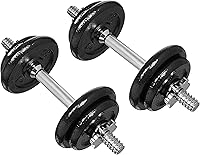
Dumbbells vs Medicine Balls: Which Should You Choose? (November 2026)
Choose dumbbells for controlled strength work and medicine balls for throws, slams and dynamic core training. Your exercises, available space and need for adjustable resistance will help decide between them.
On this page (8 sections)
- Dumbbells vs medicine ball: which is better for strength?
- Which tool suits explosive exercises?
- How do grip and control compare?
- Which takes less space at home?
- How should you choose the right weight?
- Which is better for a beginner?
- Can dumbbells and medicine balls work together?
- Dumbbells or medicine ball: what should you choose?
Choose dumbbells for controlled strength work and medicine balls for throws, slams and dynamic core training. In the dumbbells vs medicine ball choice, the best fit depends on the exercises you want to repeat and how you plan to progress.
Dumbbells are easier to use across pressing, pulling and lower-body strength moves. A medicine ball adds resistance in a rounded shape, and some models are made for bouncing while others are built to absorb slams.
Dumbbells vs medicine ball: which is better for strength?
Dumbbells are the more versatile pick for controlled strength training. Their separate handles make them practical for presses, rows, curls, lunges and squats.
For two dumbbell curl variations, compare incline curls and hammer curls.
A pair lets you work both sides at once or one side at a time. Adjustable dumbbells can also give you several load choices in a compact home setup; compare options in our guide to Best Adjustable Dumbbells For Functional Trainer.
Medicine balls can add load to squats, twists and sit ups, but their rounded shape changes how you hold and move them. A fixed-weight ball also gives you fewer options for changing resistance than a dumbbell set.
If you want to compare equipment choices for strength work, our dumbbells vs machines guide explains where free weights and machines fit into a home routine.
Which tool suits explosive exercises?
A medicine ball is the better match for throws and slams when the ball is designed for that use. These drills add a dynamic movement that ordinary dumbbell exercises don't replicate in the same way.
A bouncing weighted ball can suit tosses against a hard surface and partner drills. The 6 lb Amazon Basics ball is rubber, has a textured grip and can bounce off hard surfaces.
A slam ball is different. Sand-filled designs are made to reduce bounce and rolling, which helps keep the ball near the floor after a slam.
The 20 lb ProsourceFit Slam Medicine Balls have a tread-style surface and sand-filled construction. Start with a weight you can control, since the maker recommends 10–15 lb for new users of slam ball training.
How do grip and control compare?
Dumbbells have a handle; medicine balls rely on your grip around a round surface. The right choice depends on the movement and whether your hands can hold the tool securely.
Many dumbbells have knurled or coated handles, but grip varies by model. Check handle shape and width if you plan to use them for longer sets or heavier lifts.
Medicine ball surfaces also differ. The Amazon Basics weighted balls have a lightly textured rubber surface, while the ProsourceFit slam ball has a tire-tread texture for traction.
A ball can be harder to hold during a fast movement, especially as it gets heavier or your hands get sweaty. Use a lighter weight until you can keep a secure grip through every repetition.
Which takes less space at home?
Dumbbells are usually easier to store neatly, while medicine balls need room to roll, bounce or land. Measure the storage area and the workout space separately.
A dumbbell rack or compact adjustable pair can keep weights in one small area. A ball can sit on the floor, but it may roll unless you store it in a bin or against a wall.
Throws and slams need a clear path and a suitable surface. Keep the ball away from windows, shelves, pets and other people, and check whether the floor can handle impact.
For help choosing a set that fits your space and routine, see our dumbbell set buying guide. If your main goal is a small home setup, our best dumbbells for home gym guide covers space-conscious choices.
How should you choose the right weight?
Pick a weight you can control through the full movement, then increase it as your technique allows. A heavier tool isn't useful if you have to shorten the motion or lose your grip.
Dumbbells commonly come in pairs or adjustable formats, so consider both the starting load and the steps between weights. A set with several options can support different exercises and future progression.
Medicine balls are often sold at one fixed weight per ball. The 6 lb and 8 lb Amazon Basics balls suit different starting points, while slam balls can come in heavier sizes for impact work.
For slams, start light and practice the movement before increasing the load. A 20 lb ball may be too much for a beginner, even if that weight feels manageable for controlled squats.
Which is better for a beginner?
Dumbbells are a practical first choice if you want to learn basic strength exercises. They support familiar movements with a clear path for adding weight over time.
A medicine ball can make sense if you already know which drills you want to do, such as weighted twists or partner tosses. Choose a light enough ball to keep the movement controlled.
If you plan to slam the ball, choose a slam-specific model rather than a ball that bounces. Leave room around you, avoid throwing toward other people and stop if you can't control the landing.
Can dumbbells and medicine balls work together?
Yes, they can serve different parts of the same workout. Use dumbbells for steady strength sets and a suitable medicine ball for short dynamic intervals.
For example, a session might pair dumbbell rows and presses with medicine ball squats or controlled slams. Keep the dynamic drills separate from heavy lifting so fatigue doesn't compromise your grip or form.
You don't need both to build a useful home routine. Buy the tool that fills the biggest gap in your current training, then add another only if you have a clear use for it.
Dumbbells or medicine ball: what should you choose?
Choose dumbbells for broad strength training, and choose a medicine ball for throws, slams or weighted core drills. If you need one first purchase, start with the tool that matches most of your planned workouts.
Pick dumbbells if you want presses, rows, curls and leg exercises in one setup. Pick a bouncing medicine ball for tosses and controlled dynamic drills, or a no-bounce slam ball for impact work.
For a closer look at another compact training option, compare dumbbells vs sandbags and dumbbells vs bodyweight exercises. For ball-focused training, our guide to the Best Medicine Ball For Functional Trainer can help narrow your choice.
| Product | Best for | Weight | Diameter | Construction | Our score |
|---|---|---|---|---|---|
| Amazon Basics Weighted Medicine Ball for Core | bouncing core drills | 6 lb | 7.6 in | Rubber | 9.7 |
| Amazon Basics Weighted Medicine Ball for Core | heavier core work | 8 lb | 8.5 in | Rubber | 9.5 |
| ProsourceFit Slam Medicine Balls | high-grip slams | 20 lb | 9 in | 9.3 | |
| Amazon Basics Slam Medicine Balls for Exercise | no-bounce circuits | 10 lb | 7.87 in | 9.2 |
 Best for bouncing core drills
Amazon Basics Weighted Medicine Ball for Core
 Best for heavier core work
Amazon Basics Weighted Medicine Ball for Core
Frequently asked questions
Are dumbbells or a medicine ball better for strength training?
Dumbbells are usually the more flexible choice for controlled strength training because you can hold one in each hand and use them for presses, rows, curls and lower-body exercises. A medicine ball adds resistance to moves such as squats and twists, but its shape and fixed weight can limit some exercises.
Can you build muscle with a medicine ball?
A medicine ball can add resistance to squats, twists, sit ups and presses. It can support strength work when its weight makes each set challenging while letting you keep control.
Dumbbells offer more options for gradually adjusting load, especially when you use an adjustable set.
Can you use dumbbells for explosive training?
You can move dumbbells quickly during suitable exercises, but fast repetitions still need control and a clear path. Medicine balls are designed for dynamic drills such as throws, and slam balls are built for impact work.
Choose the tool that matches the movement and follow safe form.
Can you slam any medicine ball?
No. Use a slam ball designed for impact, since weighted medicine balls that bounce can rebound or roll after a throw.
Sand-filled dead weight models are made to minimize bouncing.
Clear the area, start with a manageable weight and keep other people outside the throwing path.
What should a beginner choose for a home gym?
Choose dumbbells if you want one tool for many controlled exercises, and a lighter medicine ball if your plan includes twists, tosses or other dynamic drills. Check the weight, grip and storage space before you buy.
Leave clear floor space around any ball you plan to throw or slam.