How to Choose an 86-Inch Functional Trainer
An 86-inch functional trainer needs more than 86 inches of ceiling height: leave room for assembly, any overhead attachments and safe movement, then confirm the pulley travel fits your exercises. Measure the full machine and room before buying.
On this page (8 sections)
- How much ceiling clearance does an 86-inch functional trainer need?
- How do you check usable pulley height?
- Will an 86-inch trainer fit your workout space?
- How should you measure before buying?
- Is an 86-inch trainer a good fit for tall users?
- Which equipment fits a smaller training space?
- What should you confirm with the manufacturer?
- How do you choose an 86-inch functional trainer?
An 86-inch functional trainer needs a ceiling higher than 86 inches once you account for assembly, overhead attachments and room to move. Before choosing one, verify the machine’s full height, pulley travel, and the clearance your room can provide.
A machine’s stated height does not tell you how high its pulleys travel or whether its cable positions suit your movements. To review other buying pitfalls, see functional trainer buying pitfalls.
Check those details against the exercises you plan to do, then measure the route into the room and the space around the machine.
If you’re comparing overall room needs, start with How Much Space Do You Need for a Functional Trainer?. This guide focuses on the added checks that matter when a trainer is 86 inches tall.
How much ceiling clearance does an 86-inch functional trainer need?
Treat 86 inches as the machine’s height, not the room height you need. The ceiling must also allow for assembly and any overhead parts that extend above the frame.
Measure from the finished floor to the lowest obstruction above the proposed spot. Include light fixtures, beams, pipes and garage door hardware, not just the open ceiling area.
Then compare that measurement with the exact machine’s assembled height and installation instructions. If a pull-up bar or another fixed component reaches above the frame, include it in the clearance check.
Leave practical room to assemble the machine without forcing pieces into the ceiling. If you can’t find the required installation clearance, ask the manufacturer before ordering.
Also check the delivery route. A machine that fits beneath the ceiling may still be difficult to move through doorways, hallways or turns.
How do you check usable pulley height?
Compare the pulley’s adjustment range with the starting and ending positions of your exercises. The trainer’s overall height alone can’t tell you whether the cable reaches the positions you need.
Look for the pulley’s lowest and highest adjustment points, along with the total number of adjustment positions. For a specific movement, picture where the cable needs to begin and whether the pulley can be set there.
A high pulley can help with movements that start above shoulder level, while a low setting supports movements that begin near the floor. For one high-pulley movement, see the incline chest fly setup.
Middle positions can matter for presses, rows and other exercises you perform around chest or shoulder height.
The pulley’s position is only one part of the check. Make sure the cable path and your stance leave room to complete the movement without hitting a wall or nearby equipment.
If you’re new to this equipment, How to Use a Functional Trainer? covers the basic setup and movement options. For a plain-language overview of the equipment, see What Is a Functional Trainer?.
What pulley travel should you look for?
Choose a travel range that covers your planned cable exercises from low to high. Check the adjustment points on the exact model instead of assuming that two machines with similar frame heights offer the same range.
Make a short list of movements you expect to do. A lying hamstring curls is one low-cable movement to check.
Note whether each starts low, around the middle or high, and whether you need to move the pulley between exercises.
A trainer with several adjustment positions can offer more setup choices, but the count alone doesn’t show where those positions sit. Confirm the actual range and spacing if a particular exercise depends on a very low or high start.
Will an 86-inch trainer fit your workout space?
Measure the full footprint and the working area around it. The frame can fit in a room while leaving too little space to stand, change cable angles or move handles freely.
Check the machine’s width and depth, then mark its outline on the floor with tape. Add the area you’ll occupy for your regular movements and the path you need to reach each pulley.
Consider where the weight stacks and adjustment points sit. Leave room to change settings and access the machine without blocking a doorway or another piece of equipment.
For a model with a stated footprint, use those exact dimensions as the starting point. The Inspire Fitness FTX, for example, measures 54 in deep by 40 in wide by 82 in high, so it is shorter than an 86-inch trainer; confirm its fit against your room and planned setup.
A folded design may help when floor space is tight, but it doesn’t automatically solve ceiling clearance or workout access. Compare the folding setup in Best Foldable Functional Trainer if storage is part of your decision.
How should you measure before buying?
Measure the room, access route and workout area before you settle on a model. Write down each number so you can compare it with the manufacturer’s dimensions and setup guidance.
- Measure the floor-to-ceiling height at the intended machine location.
- Check for low fixtures, beams, pipes or other obstructions above the frame.
- Measure the narrowest doorway, hallway and turn on the delivery route.
- Mark the machine’s width and depth on the floor.
- Add standing and movement space around the outline.
- Confirm pulley travel and adjustment points for your intended exercises.
- Check the instructions for assembly and required clearances.
If the room has a sloped ceiling, measure at the machine’s full width and depth rather than at one convenient point. A frame can fit beneath the highest section while its far side reaches a lower part of the ceiling.
Is an 86-inch trainer a good fit for tall users?
Frame height and user height are separate checks. A taller frame may provide more overhead room, but it doesn’t prove that every cable path or movement will suit a taller user.
Check pulley positions, cable length and the clearance around your body during the exercises you plan to do. If possible, compare those measurements with your reach and stance rather than relying on the frame height alone.
Read Best Functional Trainer For Tall People for more considerations aimed at taller users. If your room has a low ceiling, compare functional trainers below 80 inches as another size range.
Which equipment fits a smaller training space?
A compact trainer may help with floor space, but its actual dimensions still need to match your room. Compare height, width, depth and pulley travel rather than treating “compact” as a guarantee that it will fit.
The Inspire Fitness FTX is described as having a compact design, and its stated dimensions are 54 in deep, 40 in wide and 82 in high. Those figures can help you compare it with an 86-inch model, though you still need to check overhead and movement clearance.
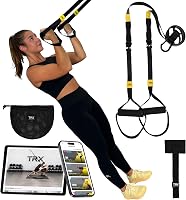
A suspension trainer has different space needs from a cable machine because it uses straps and anchors rather than a tall frame. The TRX GO includes indoor and outdoor anchors and a mesh carry bag, so it can suit workouts where a fixed trainer won’t fit.
The Sunny Health & Fitness Smart Row-N-Ride is a squat-assist machine, not a functional trainer. Its foldable design may interest someone comparing options for limited storage space, but it does not provide adjustable cable pulleys.
What should you confirm with the manufacturer?
Ask for exact assembled dimensions, clearance needs and pulley travel if any detail is unclear. A quick confirmation can prevent a mismatch between your ceiling, setup plan and intended exercises.
Have your room measurements ready, including the lowest ceiling obstruction and the narrowest part of the delivery route. Ask whether any fixed overhead components extend beyond the frame height and whether the model needs clearance for assembly or use.
Also ask for the pulley’s lowest and highest positions if they aren’t clear. If a movement depends on a specific cable starting point, describe it so you can confirm that the adjustment range supports it.
How do you choose an 86-inch functional trainer?
Choose an 86-inch trainer only if its assembled height, pulley range and working footprint all fit your room and exercises. Measure the ceiling and access route first, then compare the exact pulley positions and movement space.
Pick a shorter-frame option if ceiling clearance is uncertain, and consider a portable or foldable alternative if storage is the main constraint. For a broader room plan, use How Much Space Do You Need for a Functional Trainer? before choosing a model.