How to Do an Incline Chest Fly on a Functional Trainer?
For an incline chest fly on a functional trainer, set an incline bench between the cable pulleys, with each pulley low and behind your shoulders. Bring the handles together above your upper chest with a soft bend in your elbows.
On this page (9 sections)
- How do you set up a functional trainer for an incline chest fly?
- How do you perform the incline chest fly?
- What pulley height and bench angle should you use?
- How much weight should you use?
- What should you feel during the movement?
- Which mistakes make incline cable flies harder to control?
- Can you use a different setup for chest and arm training?
- How can you add incline flies to a chest workout?
- How do you choose the right incline chest fly setup?
An incline chest fly on a functional trainer uses low cable pulleys and an incline bench to bring the handles upward and together over your upper chest. Set the bench between the pulleys, keep a small bend in your elbows, and use a weight you can control without arching your back.
This movement works best when the cables travel smoothly from low and wide to high and close. Start with a light load while you find the right bench and pulley positions.
How do you set up a functional trainer for an incline chest fly?
Put the bench between the two pulleys, with both pulleys set low behind you. The cables should pull your arms slightly down and back at the start, then let you bring the handles together above your upper chest.
Set the bench at a modest incline, around 30 degrees as a starting point. If your bench uses fixed settings, choose a low incline that lets you keep your upper back supported.
Sit down and check that each handle is reachable without twisting. The cables should pass beside your body, not across your face or neck.
A functional trainer with independently adjustable pulleys makes it easier to match the cable path to your bench. If you're comparing equipment for several upper-body movements, see our Best Functional Trainer For Upper Body Workouts guide.
How do you perform the incline chest fly?
Bring your hands together above your upper chest while keeping your elbows softly bent. Lower the handles apart in a wide arc until you feel a comfortable stretch across your chest, then return along the same path.
- Sit back on the bench with your feet planted on the floor.
- Hold one handle in each hand, palms facing inward.
- Begin with your hands beside your lower chest and elbows slightly bent.
- Sweep both arms upward and inward until the handles meet above your upper chest.
- Pause briefly, then open your arms slowly to the start position.
Keep your wrists straight and your shoulders relaxed. Your arms should move in an arc; don't turn the motion into a press by bending and straightening your elbows.
Use the same range on both sides. Stop the descent before your shoulders roll forward or you feel a sharp pull.
What pulley height and bench angle should you use?
Start with the pulleys at their lowest setting and a low bench incline. Move one adjustment at a time until the handles travel toward your upper chest without pulling your shoulders into an awkward position.
A very steep bench can shift more work toward the front of your shoulders. For a shoulder-focused cable routine, see TAG functional trainer shoulder workouts.
If you feel your shoulders doing most of the work, lower the bench angle, reduce the load, or shorten the bottom range.
The cable angle depends on the trainer's pulley positions and the bench location. Keep both sides even, and make sure the cables clear the bench throughout each repetition.
How much weight should you use?
Choose a light enough load to keep your elbows steady and your torso still. If the handles swing, your back arches, or your shoulders shrug, lower the weight.
A cable fly doesn't need a heavy load to feel challenging. Use a smooth pace, especially as you open your arms, and avoid letting the stack pull your hands back suddenly.
The Marcy Multifunction Home Gym Workout Station has dual-action press arms for chest presses and vertical butterfly exercises, along with a selectorized weight stack.
This is an all-in-one home gym station rather than a standard pair of independently adjustable cable towers. Check the machine's configuration and manual to confirm the movement and bench positions fit your intended setup.
What should you feel during the movement?
You should feel your chest working as your arms come together, with a comfortable stretch as they open. Keep the movement smooth and stop if you feel pain or a pinching sensation in your shoulder.
A mild stretch across the chest is different from forcing your arms far behind your body. Limit the bottom range to what you can control while keeping your shoulders supported.
If your arms take over, try a lighter load and focus on keeping the elbow bend nearly fixed. For more chest-focused cable movements, browse 10 Best Functional Trainer Chest Exercises.
Which mistakes make incline cable flies harder to control?
The main errors are using too much weight, bending the elbows like a press, and lowering the handles too far. Fix one issue at a time, starting by reducing the load.
Avoid these common setup and form problems:
- Bench too steep: lower the incline if your shoulders dominate the movement.
- Pulleys too high: move them lower so the cables rise toward your upper chest.
- Excessive elbow movement: keep a soft bend instead of pressing the handles.
- Rushed lowering: guide the handles apart instead of letting the weight pull them back.
- Uneven range: use matching paths and stop at a comfortable stretch.
- Loose upper back: stay supported by the bench and avoid arching to finish a rep.
Keep the training area clear and check that handles and cables are secured before you start. Follow the trainer's manual for setup, load changes, and safe use.
Can you use a different setup for chest and arm training?
Yes, but each setup changes the movement and the muscles you emphasize. For another cable-based upper-body movement, see seated dips on a functional trainer.
Keep the incline fly as a controlled chest exercise, then use separate movements for arms or a broader workout.
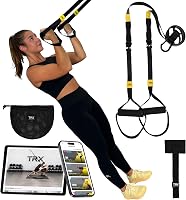
The TRX GO Suspension Trainer is a portable bodyweight training system with nylon straps, foam handles, and indoor and outdoor anchors. It can add bodyweight exercises to a general routine, but it doesn't replace the low cable path used for an incline fly.
For arm training ideas that fit around cable sessions, see Best Functional Trainer For Toning Arms. If you're planning a combined session, our chest and bicep workout using functional trainer guide covers how to organize those muscle groups.
The Sunny Health & Fitness Smart Row-N-Ride Glute is designed for squat-assist and full-body training, with adjustable resistance bands and a foldable frame. It doesn't perform a cable fly, but it may fit a home routine that also includes lower-body work.
Choose equipment based on the movement you want to do and the space you have. A chest fly needs a stable bench and a cable path that lets both arms move freely.
How can you add incline flies to a chest workout?
Place the fly after a pressing movement, using a manageable load and controlled repetitions. It works as an accessory exercise when your shoulders and chest are ready for a lighter, focused movement.
You can pair it with a chest press, then finish with another cable exercise if your form stays steady. Rest as needed and stop the set when you can't keep the same smooth arc.
For other cable fly angles and hand paths, see 5 Functional Trainer Chest Fly Variations to Try. If you also want to balance chest work with triceps training, review Best Functional Trainer For Bigger Triceps.
How do you choose the right incline chest fly setup?
For an incline chest fly functional trainer exercise, start with low pulleys, a modest bench incline, and a light weight that allows a steady arc. Adjust the bench or cable height if the handles don't meet above your upper chest or your shoulders feel strained.
Keep your upper back supported, your elbows softly bent, and the lowering range comfortable. Add the movement to a chest routine when you can maintain control on every repetition.
Frequently asked questions
Where should the cables be for an incline chest fly?
Set both pulleys near the bottom of the functional trainer, then position the bench between them. The handles should travel from beside your lower chest toward a meeting point above your upper chest.
Adjust pulley height or bench position if the cables pull across your face or shoulders.
What angle should an incline bench be for chest flies?
Start with a modest incline, around 30 degrees, so the movement targets the upper chest without turning into a shoulder raise. If your bench has set positions rather than degree marks, choose a low incline and adjust only if the motion feels controlled and comfortable.
Should I use heavy weight for cable incline flies?
Use a load that lets you keep a soft elbow bend and move both arms smoothly through the same range. The fly is an isolation exercise, so reduce the weight if you have to jerk the handles, arch your back, or turn the motion into a press.
Can I do an incline chest fly without a bench?
A bench gives you a stable incline and support for your back during the cable fly. Without one, a standing low-to-high cable fly changes your body position and the exercise; use a clear stance, light load, and controlled range instead.