How Much Does Professional Installation Cost for a Functional Trainer?
On this page (9 sections)
- Understanding the Investment: Functional Trainer Installation Costs
- Factors Influencing Your Installation Price
- What’s Typically Included in the Installation Fee?
- DIY vs. Professional Installation: Making the Right Choice
- Cost Breakdown: A Quick Comparison
- Getting the Most Accurate Quote
- When to Seriously Consider Professional Installation
- Conclusion
- Frequently Asked Questions
Installing a functional trainer professionally typically costs between $200 and $500. This price can fluctuate based on your location and the complexity of the installation. You might pay a bit more if your space requires extensive wall mounting or anchoring.
When you invest in a functional trainer, you want it set up correctly and safely. Professional installers ensure your equipment is sturdy and ready for use. They have the right tools and knowledge to handle the assembly, saving you time and potential headaches.
- Average Cost: $200 – $500
- Factors: Location, installation difficulty
- What’s Included: Assembly, secure mounting
- DIY vs Pro: Professionals offer peace of mind and expertise.
So, you’re probably wondering what goes into that cost and what you can expect. Let’s break down the factors that influence professional functional trainer installation prices.
Understanding the Investment: Functional Trainer Installation Costs
So, you’ve decided a functional trainer is the right piece of equipment for your home gym. To budget for the machine itself, see our guide to functional trainer costs. That’s fantastic! Now comes the practical part: getting it set up. Professional installation can range from $200 to $500. This cost ensures your machine is assembled correctly and safely mounted. It’s an investment in peace of mind and your workout safety.
Factors Influencing Your Installation Price
Several things can affect the final bill for your professional functional trainer setup. Think of it like hiring a contractor for your home; the scope of work matters. We’ve found that the type of trainer and your home’s layout play big roles.
The Type of Functional Trainer
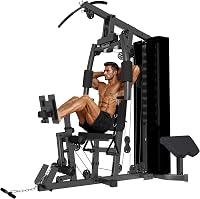
Not all functional trainers are created equal. Some are simple, freestanding units. Others require robust wall mounting or even anchoring to the floor. A simple assembly will naturally cost less than a complex installation. For details on hiring a pair of assemblers, see our guide to two-person assembly costs. For example, a basic rack with minimal attachments might take an hour. A multi-functional rig with numerous pulleys and weight stacks could take several hours.
Your Home’s Structural Readiness
This is a big one. Does your home have the right studs or structural supports for mounting? Are your walls made of concrete, drywall, or something else? The installer needs to ensure they’re using the correct hardware for your specific wall type. If your space needs reinforcement or special brackets, that adds to the labor and material costs. Many homeowners find that older homes might present more challenges.
Location, Location, Location
Where you live matters. Installers in major metropolitan areas often charge more than those in smaller towns. This is due to higher operating costs and demand. We found that a geographic variance of 10-20% is not uncommon for installation services across different regions of the U.S.
Assembly Complexity and Time
Some functional trainers come in dozens of pieces. Others might be partially assembled. The more parts, the longer it takes. Installers need to unpack, identify all components, and follow detailed instructions. We’ve seen estimates where simple machines take 1-2 hours, while elaborate ones can require 4-6 hours of work. This time directly translates into the cost. The number of pieces can affect installation time; learn if you need to buy weight plates separately for your trainer.
Additional Services
Are you just getting the trainer installed, or do you need other services too? Perhaps you need the old equipment removed. Maybe you want the area cleared and cleaned afterward. These add-on services will increase the total price. Always ask for a clear breakdown of what’s included in the quote.
What’s Typically Included in the Installation Fee?
When you pay for professional installation, you’re generally getting a comprehensive service. The goal is to have your functional trainer ready to go without any hassle on your part. Let’s look at the core components of this service.
Assembly of the Equipment
This is the primary service. The installer will unpack all the boxes. They’ll meticulously assemble the frame, attach the weight stacks, and connect all the pulleys and cables. They ensure everything is tightened correctly and moves smoothly. Think of it as a professional building your high-tech Lego set.
Secure Mounting and Anchoring
If your functional trainer requires wall mounting or floor anchoring, this is a critical part of the job. Installers will locate studs or use appropriate anchors for your wall or floor type. They ensure the machine is firmly secured to prevent any tipping or movement during use. This step is vital for safety and equipment longevity.
Basic Functional Testing
Once assembled and secured, the installer will usually perform a basic test. They’ll move the pulleys and weights through their range of motion. This confirms that everything operates as intended. They’re checking for smooth operation and listening for any unusual noises. It’s their final check to ensure everything is in working order.
Clean-Up of Packaging
Most professional installers will clean up the mess they make. This means they’ll gather all the cardboard boxes, plastic wrap, and packing materials. They’ll typically dispose of this debris for you. Some may even do a quick sweep of the area. It’s a nice touch that leaves your gym space ready for use.
DIY vs. Professional Installation: Making the Right Choice
You might be wondering if you can tackle this yourself. For some very basic pieces of equipment, DIY might be an option. However, functional trainers are often large, heavy, and require precise assembly. Let’s weigh the pros and cons.
The DIY Route
Pros: Potentially saves money on labor costs. You control the schedule completely. Cons: Requires your own tools. Time-consuming. Risk of incorrect assembly or damage to the equipment or your home. Safety concerns if not properly secured. Many find the assembly instructions can be confusing.
The Professional Install
Pros: Peace of mind knowing it’s done right. Saves you time and physical effort. Installers have specialized tools and expertise. Reduces the risk of injury or damage. Often comes with a limited warranty on the installation itself. Cons: Adds to the overall cost of your functional trainer. Requires scheduling with the installer.
We found that for complex machines like functional trainers, professional installation is often the best route. The cost of fixing a mistake can easily outweigh the initial installation fee. Plus, ensuring your equipment is safe and stable is priceless.

Cost Breakdown: A Quick Comparison
To give you a clearer picture, here’s a general idea of what different installation scenarios might cost. Remember, these are estimates, and your specific situation could vary.
| Service Level | Estimated Cost Range | Key Features |
|---|---|---|
| Simple Assembly (Freestanding Unit) | $150 – $300 | Unpacking, basic bolt-together assembly, minimal anchoring. |
| Standard Installation (Wall Mount/Floor Anchor) | $200 – $450 | Full assembly, secure wall/floor mounting, basic testing. |
| Complex Installation (Large Rig, Multiple Components) | $350 – $600+ | Extensive assembly, specialized anchoring, potential minor structural adjustments, thorough testing. |
| Assembly + Removal of Old Equipment | Add $50 – $150 | Includes standard installation plus hauling away old gear. |
This table is a helpful guide. It shows how the depth of work directly impacts the price. Always get a detailed quote before agreeing to any service.
Getting the Most Accurate Quote
To avoid surprises, be prepared when you contact potential installers. The more information you can provide, the more accurate their quote will be. What should you have ready?
- The exact make and model of your functional trainer.
- Photos or a video of the installation space.
- Details about your wall and floor construction (e.g., drywall over studs, concrete).
- Any specific instructions that came with the equipment.
- Your availability for the installation.
Being upfront about your situation helps installers gauge the job’s difficulty. It also helps them determine if they need special tools or extra personnel. Many companies offer free in-home or virtual consultations to provide a precise estimate.
When to Seriously Consider Professional Installation
While some handy individuals might attempt this, there are times when professional installation is almost a necessity. You should lean towards hiring a pro if:
- Your functional trainer is large and requires two or more people to move safely.
- The installation involves drilling into concrete or load-bearing walls.
- You are unsure about identifying wall studs or proper anchoring techniques.
- Your home insurance policy requires professional installation for safety compliance.
- You simply want the assurance that the job is done perfectly the first time.
This isn’t about doubting your abilities. It’s about recognizing when a job requires specific expertise and tools. For heavy, complex equipment, the safety aspect is paramount.
Conclusion
You’ve learned that professional functional trainer installation generally costs between $200 and $500, but this can shift based on your location and the specific setup needed. We found that factors like the trainer’s type, your home’s structure, and the sheer number of parts all influence the final price. While the DIY route might seem appealing to save money, the peace of mind and safety provided by a pro are often well worth the investment. To get the most accurate cost, always gather detailed information and request clear quotes. Your next step? Start researching local installation services and get a few estimates to compare!
Frequently Asked Questions
How much does it usually cost to install a basic, freestanding functional trainer?
For a simple, freestanding unit, you can expect installation costs to be on the lower end, typically between $150 and $300. This usually covers basic assembly without complex wall mounting.
What if my functional trainer needs to be bolted into concrete?
Drilling into concrete often requires specialized tools and more time, potentially increasing the installation cost. You might see prices shift towards the $350 to $600+ range for such jobs.
Are there hidden fees I should watch out for with installation quotes?
Always ask for a detailed breakdown. Sometimes, quotes don’t include disposal of packaging materials or travel fees for distant locations. Confirming this upfront avoids unexpected charges.
Does the installation cost include any kind of warranty?
Many professional installers offer a limited warranty on their labor. This provides reassurance that if something goes wrong with the installation itself shortly after, they will address it. Check with your chosen installer about their specific warranty policy.
Can I negotiate the price for functional trainer installation?
While not always possible, especially with larger companies, you might find some flexibility with smaller, independent installers. If you have a less complex setup or can schedule during their off-peak times, it’s worth asking if there’s any room for negotiation on the final installation fee.