How to Use a Smith Machine
To use a Smith machine, set the safety stops, check the bar’s path, and practice its hooks with no weight before lifting. Position your body for the exercise, use a controlled range of motion, and stop if the bar or machine feels unstable.
On this page (8 sections)
- What is a Smith machine?
- How do you set up a Smith machine before lifting?
- How do you position yourself under the bar?
- How do you perform a basic Smith machine lift?
- How should you use the safety stops?
- Which Smith machine features can help at home?
- What mistakes should you avoid on a Smith machine?
- How do you know whether a Smith machine suits your workout?
To use a Smith machine, set the safety stops, learn how the bar locks, and practice the movement with no added weight. Position yourself for the exercise, use a load you can control, and stop if the bar sticks or the frame moves.
A Smith machine guides the bar along a fixed path, which can make setup different from a free barbell. The exact hooks and safety catches vary by model, so read the machine’s instructions before your first lift.
What is a Smith machine?
A Smith machine is a strength machine with a bar that travels along guides, usually with hooks that lock it at set points. Many models also have safety stops that can catch the bar if you need to end a repetition.
That guided path does not make every lift automatically safe. Your body still needs a stable position, and the bar should move smoothly without forcing your joints into an uncomfortable angle.
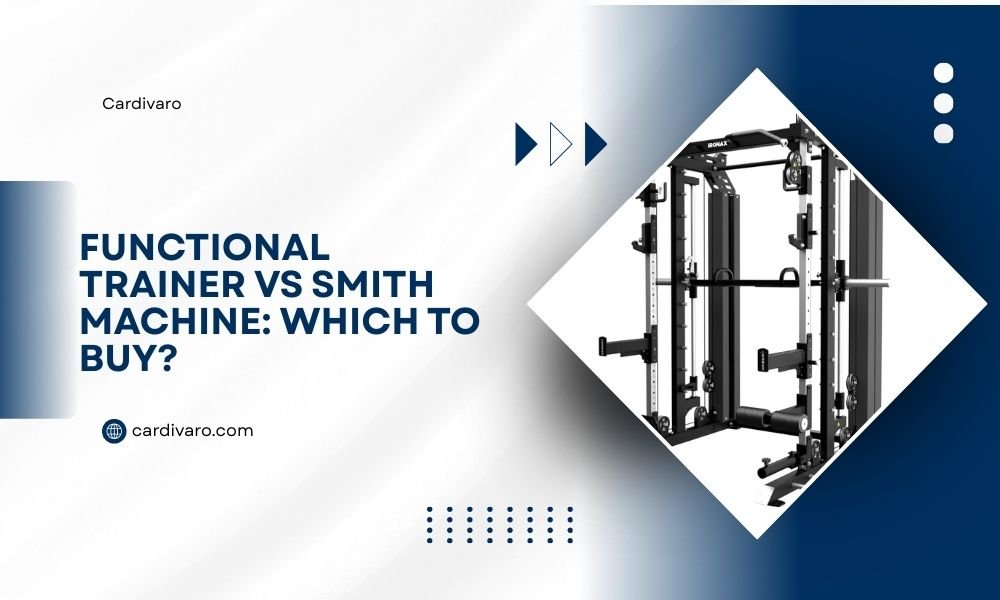
Some home gym stations combine a Smith bar with a power rack, cables, or pull-up options. For example, the Best Smith Machine Functional Trainer Combo For Home Gym combines several training stations in one frame.
How do you set up a Smith machine before lifting?
Check the bar, hooks, stops, and floor space before adding weight. If anything feels loose, damaged, or uneven, don't use the machine until it has been checked.
- Read the machine manual and identify the lock points and safety stops.
- Check that the bar moves freely through its guides.
- Set both safety stops at the same height, below the lowest point of your planned movement.
- Practice turning the hooks to lock and open the empty bar.
- Clear the area around the machine and place any bench or other equipment securely.
- Start with the empty bar and test the range of motion.
Set the stops close enough to catch the bar if you cannot finish a repetition, while leaving room for your planned movement. Test them with the empty bar before loading it.
How do you position yourself under the bar?
Place your feet and body so the guided bar path feels natural throughout the exercise. The right position changes by lift, so don't copy another person's stance without checking your own movement.
For a squat, stand under the bar with your feet placed so you can lower and rise without your heels lifting or your back rounding. For a bench press, align the bench and your body so the bar reaches your chest comfortably while your shoulders stay supported.
Unrack only after you have a firm grip and stable footing. Keep your head and hands clear of the hooks, and rotate the bar to release it only when you're ready to lift.
Should beginners use a Smith machine?
A Smith machine can give beginners a consistent bar path to practice, but the guided movement still takes attention and control. Start with no added weight and learn how to set and re-rack the bar before trying a full set.
If you're comparing guided lifting with cable training, read Is a Smith Machine or Functional Trainer Better for Beginners?. A coach can help you check your position if you aren't sure whether the setup suits you.
How do you perform a basic Smith machine lift?
Use a slow, controlled range of motion and keep the bar within a comfortable path. Stop before your position breaks down or you feel pain.
For a squat, open the bar, brace your torso, and lower only as far as you can keep your balance and control. Press through your feet to stand, then rotate the bar back into its hooks before stepping away.
For a bench press, make sure the bench is secure and the bar starts above the chest area without forcing your shoulders into an awkward position. Lower under control, press up smoothly, and re-rack the bar before releasing your grip.
For a standing press, stand with a balanced stance and keep your head clear of the bar as it moves. Avoid leaning back to force a repetition.
How should you use the safety stops?
Set the stops just below your lowest intended position, then test that they catch the empty bar. Both sides should be even so the bar doesn't rest at an angle.
The stops are a backup, not a reason to lift beyond your control. Choose a load that lets you complete repetitions with steady form, and don't use the machine if a stop fails to hold the bar.
If you train alone, set the catches before every exercise and keep the release hooks within reach. For a lift that causes pain or requires twisting to escape, stop and change the setup.
Which Smith machine features can help at home?
A home station may include a guided bar, safety arms, cable system, or other stations. Think about which parts you'll use and whether you have enough room for the machine and the movements around it.
The DONOW Smith Machine with Weight Stacks Home combines a Smith machine, power rack with safety arms, dual cable crossover, and pull-up station.
The Mikolo Smith Machine with Weight Stack combines a Smith machine and power cage with cable stations and other workout options.
The pooboo Power Cage Smith Machine with 2000LB includes a Smith machine, power cage, cable system, and multiple attachments.
Before choosing a station, measure the room, ceiling height, and access route. Compare guided bar work with cable movement in Is a Functional Trainer Better Than a Smith Machine?, or Functional Trainer vs Smith Machine: Which to Buy? if you are still weighing both types.
What mistakes should you avoid on a Smith machine?
Avoid adding weight before you know how the hooks and stops work. A few setup errors can make a guided lift awkward or unsafe.
- Don't assume the machine's bar path matches your natural movement.
- Don't set one safety stop higher than the other.
- Don't rush the hooks or let the bar drop onto the catches.
- Don't add plates beyond what the machine allows.
- Don't leave plates or attachments where you could trip over them.
- Don't keep lifting if the bar binds, shifts, or makes an unusual sound.
A Smith machine may feel stable, but the frame and guides still need clear space and regular checks. Keep the area around the machine tidy, and follow the maker's instructions for setup and maintenance.
How do you know whether a Smith machine suits your workout?
Choose a Smith machine if guided barbell movements are central to your routine and its path feels comfortable. Choose a functional trainer if adjustable cable movements are a bigger priority.
A combined station can suit a home gym where both bar and cable exercises matter, provided it fits the room and your budget. See Is a Functional Trainer Worth It? and Is a Functional Trainer Worth It for Beginners? for help weighing cable training against other equipment.
For your first Smith machine session, learn the hooks, set and test the stops, and practice with the empty bar. Add weight only when you can move through the planned range with control.
Frequently asked questions
How do you use a Smith machine safely?
Set the safety stops just below the lowest point you expect to reach, then test the bar hooks and stops without added weight. Use a load you can control, keep the bar path clear, and stop if the machine shifts, binds, or makes an unusual sound.
Should a beginner use a Smith machine?
A Smith machine can help a beginner practice a lift along its guided path, but it doesn't replace learning setup and control. Start with no weight, set the safety stops, and ask a qualified coach to check your position if you are unsure.
How do you set the safety catches on a Smith machine?
Set both catches at the same height, slightly below the lowest point of your planned movement. Test them by lowering the empty bar onto the catches before loading it, and adjust them if they stop the bar too early or let it descend too far.
Can you squat on a Smith machine?
Yes, many Smith machines are used for squats, but your stance and depth need to suit the machine's bar path and your comfort. Begin with an empty bar, set the catches, and keep the movement controlled; stop if you feel pain or cannot maintain balance.