Incline Curl vs Hammer Curl: Which Should You Choose? (November 2026)
Choose incline curls for a stronger biceps stretch and hammer curls for a neutral grip with more brachialis and forearm involvement. Your shoulder position, wrist comfort and training goal should decide which variation leads your arm workout.
On this page (8 sections)
- Incline curl vs hammer curl: what is the main difference?
- Which muscles does each curl emphasize?
- Which curl should you choose for your goal?
- How does equipment change the choice?
- Can an EZ curl bar replace either dumbbell curl?
- How should you perform each curl safely?
- Which curl should come first in an arm workout?
- Final choice: incline curl vs hammer curl
Choose incline curls for a deeper biceps stretch and hammer curls for a neutral grip with more brachialis and forearm emphasis. The right choice in an incline curl vs hammer curl comparison depends on your shoulder position, wrist comfort and arm-training goal.
Incline curls place your upper arms behind your torso while you sit on an incline bench. Hammer curls keep your palms facing each other and usually let you hold your upper arms closer to your sides.
Both movements use dumbbells, but they change the challenge through different grip and shoulder positions. You can use one as your main curl and the other as a second movement later in the workout.
The shoulder position is the first practical difference to consider. On an inclined bench, the biceps begin the movement from a longer position because the upper arm rests behind the body.
That longer starting position can make the first part of the lift feel more demanding. It can also make it easier to use a load that is too heavy for the setup.
A moderate bench angle suits many lifters who want the stretched position without forcing the shoulders too far back. The feet should stay planted and the back should remain supported through the set.
Hammer curls take a different approach by keeping the palms facing each other throughout the movement. This neutral grip usually feels closer to a handshake than a standard palm-up curl.
That hand position can suit people who feel wrist discomfort when the palms turn upward. It also gives the brachialis and brachioradialis a greater role in the lift.
Comfort is not automatic for everyone, so the load and range still matter with either variation. Sharp pain is a signal to reduce the weight, adjust the bench angle or choose a different curl.
Your training goal should guide which movement leads the session. Incline curls suit a biceps-focused plan, while hammer curls suit neutral-grip strength and forearm involvement.
Equipment can also shape the decision before you choose a load. An incline bench is needed for the reclined setup, while hammer curls can be done standing or seated with dumbbells.
Neither movement needs to replace the other in a balanced routine. Many lifters get more from using both and letting their goals decide the order.
 Best for full-body home gyms
MAIDOMA 1500LBS Weight Bench Set with Leg
Incline curl vs hammer curl: what is the main difference?
Incline curls change shoulder position, while hammer curls change grip position. That difference affects where the exercise feels hardest and which arm muscles share the work.
During an incline curl, you recline with your arms hanging behind your torso. You curl the dumbbells while keeping your elbows as still as you can.
During a hammer curl, your palms face each other from the starting position to the finish. Your elbows usually stay near your ribs as you lift.
An incline curl can create a stronger stretch at the bottom. A hammer curl often feels more natural at the wrist because it avoids the fully supinated palm-up position used in a standard dumbbell curl.
Neither variation replaces the other. The incline version changes the length and position of the biceps, while the hammer version gives more room for the brachialis and brachioradialis to assist.
Which muscles does each curl emphasize?
Incline curls give the biceps a lengthened shoulder position, while hammer curls spread more work across the brachialis and forearm muscles. Both still train the elbow flexors.
The biceps help bend the elbow and turn the palm upward. An incline setup places the shoulder behind the body, which can make the bottom portion feel more demanding.
Hammer curls use a neutral grip. This position brings the brachialis into the movement and gives the brachioradialis, a forearm muscle, a larger role than it has in a fully supinated curl.
That does not mean hammer curls stop training the biceps. They remain a useful biceps exercise, especially when you want a neutral hand position or a curl that fits well after pulling exercises.
Incline curl vs hammer curl for biceps focus
Pick incline curls when your priority is making the biceps work from a stretched starting position. Keep the load controlled because the bottom position can challenge the shoulder and elbow when the dumbbell is too heavy.
Set the bench to a moderate incline rather than chasing the steepest angle. Let your arms hang naturally, keep your shoulders down, and curl without swinging the weights forward.
You can find the setup details in How to Do Incline Dumbbell Curls. The key is to keep the upper arm mostly fixed while the elbow bends.
Hammer curls for neutral-grip arm work
Pick hammer curls when wrist comfort, forearm work or neutral-grip strength matters most. Keep your palms facing each other and avoid rotating into a regular curl unless that is a deliberate part of your plan.
A neutral grip can also make it easier to use hammer curls in a standing or seated circuit. Keep your ribs down, brace your trunk and stop the lift when the upper arm starts moving forward.
For a bench-based version, see How to Do Incline Dumbbell Hammer Curls. The reclined position adds a different shoulder angle without changing the neutral grip.
Which curl should you choose for your goal?
Choose incline curls for lengthened biceps work, hammer curls for neutral-grip strength, and both for broader arm training. Your goal should set the order and volume.
Use incline curls first when biceps emphasis is the main point of the session. Starting with them lets you practice the stretched position before fatigue makes it harder to control the bottom.
Use hammer curls first when you want to build a neutral-grip movement or train the forearms and brachialis with more attention. They also work well after rows, pulldowns or pull-ups.
If you want both, perform the more important variation first. Follow it with the other curl using a load that lets you keep your elbows quiet and your range smooth.
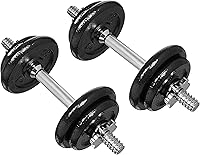
A dumbbell set with several weight options helps you adjust the load between these movements. Our dumbbell set buying guide explains what to consider when choosing weights for different curl positions.
How does equipment change the choice?
Incline curls need a suitable bench, while hammer curls need only dumbbells and enough standing or seated space. That makes hammer curls easier to add to a small home workout area.
The MAIDOMA bench has 4 backrest positions, 4 weight-rest height options and a dual-function leg developer. It supports incline, decline and flat training, then folds after use.
The XDDIAS bench offers 10 backrest levels, a 3-position preacher pad and a removable preacher curl pad. Its alloy steel frame has a stated 900 lb weight capacity, while the bench measures 70.85 x 19.29 x 49.21 inches.
Neither bench changes the basic muscle emphasis of the curl. The bench changes your body position and exercise options, so choose one based on the wider home gym setup you need.
If you do not have a bench, you can still train the same general arm muscles with standing, seated or supported curls. This guide on how to replace incline dumbbell curls without a bench covers practical alternatives.
Can an EZ curl bar replace either dumbbell curl?
An EZ curl bar can replace some curl work, but it cannot copy the independent loading and shoulder position of dumbbell curls. It is most useful when you want both hands to work on one bar.
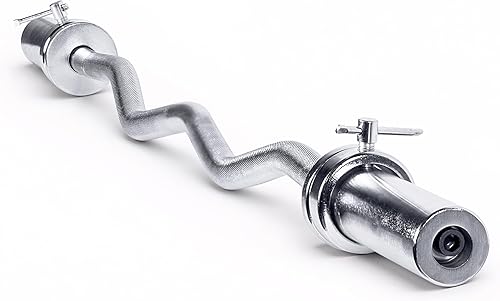
The CAP 47-inch Olympic EZ curl bar uses an angled grip, rotating sleeves and 2-inch Olympic sleeves. It has a stated 200 lb capacity and 7.5-inch sleeves for loading standard Olympic plates.
The ExtreSpo 47-inch Olympic EZ curl bar has chrome-plated alloy steel construction, rotating needle roller bearings, a stated 500 lb capacity and 2 spring collars. It also fits 2-inch Olympic plates.
Both bars can suit biceps and triceps training, but neither creates the same independent arm path as 2 dumbbells. A bar can be a useful second tool when your wrists prefer an angled grip or when you want to load both arms together.
For cable-based arm work, Functional Trainer Hammer Curls: Arm Mastery shows how a neutral-grip pattern can fit into a wider routine. A cable station also changes resistance through the path, so it is another option rather than a direct duplicate of either dumbbell curl.
How should you perform each curl safely?
Use a controlled load, keep the elbow position stable and stop short of painful shoulder or elbow movement. The stretched position of incline curls deserves extra care because heavy weights can pull the arms too far behind the body.
For incline curls, set the bench so your back is supported and your feet stay planted. Let the dumbbells hang without forcing the shoulder into a deep stretch, then curl while keeping the upper arms still.
For hammer curls, keep the palms facing inward and lift without shrugging. Lower the dumbbells under control instead of dropping them quickly once the biceps stop shortening.
Avoid using a load that makes you swing, arch your back or move the shoulders to finish each repetition. A shorter controlled range is better than forcing a painful bottom or using momentum.
Warm up with lighter curls or easy upper-body movements before your working sets. If you have ongoing pain or an injury, ask a qualified health professional how to modify the exercise.
Which curl should come first in an arm workout?
Put the variation that matches your main goal first, then use the other as assistance work. This keeps the session focused without requiring you to choose one curl forever.
For biceps-focused training, begin with incline curls and follow with hammer curls. For forearm or neutral-grip work, reverse the order.
You can also alternate them across workouts. Use incline curls on one arm day and hammer curls on the next, then compare how your elbows, wrists and recovery respond.
Keep a simple record of the dumbbell size, repetitions and bench angle. That makes it easier to see whether a change in load or setup improves control without relying on how hard a single session feels.
Putting the main variation first helps when technique matters most. A fresh set of arms makes it easier to keep the elbows stable and the range smooth.
The second movement can use a lighter load and a shorter range if needed. Its job is to add volume without taking over the session.
For incline curls, the bench angle should stay consistent from week to week when you compare progress. Small changes can alter the stretch and make the same dumbbells feel harder or easier.
For hammer curls, keep the palms facing each other and avoid turning them into a regular curl. That keeps the neutral-grip emphasis clear and makes the load easier to compare over time.
Rest and recovery also deserve a place in the record. Soreness around the elbows or shoulders can show when the order, volume or bench angle needs a simpler adjustment.
Alternating the lead movement can work well when both goals matter. One session can start with incline curls and the next can start with hammer curls.
The dumbbell size should suit the variation that comes first. A challenging but controlled load is more useful than a heavy load that forces swinging or momentum.
Final choice: incline curl vs hammer curl
Pick incline curls if you want a lengthened biceps position and have a stable adjustable bench. Pick hammer curls if you want a neutral grip, more brachialis and forearm involvement or a simpler setup.
Use both when your routine benefits from different elbow-flexion patterns. Choose the product that supports the setup you will repeat: the MAIDOMA or XDDIAS bench for incline work, or the CAP and ExtreSpo EZ bars for bar-based curls.
For another upper-body bench movement, see How to Do a Functional Trainer Incline Press. Keep the decision simple: incline curls for the stretched biceps challenge, hammer curls for neutral-grip arm work.
Frequently asked questions
Which is better, incline curl or hammer curl?
Incline curls are better for emphasizing the biceps through a lengthened shoulder position, while hammer curls are better when you want a neutral grip and more brachialis and brachioradialis involvement. Use both if you want a balanced arm routine and your elbows and shoulders tolerate each movement.
Can you do incline hammer curls?
Yes. Incline hammer curls use the same reclined bench position as incline curls, but your palms face each other throughout the lift.
This combines the shoulder position of an incline curl with the neutral grip of a hammer curl, so use lighter dumbbells if the stretch feels demanding.
Do incline curls build more biceps?
Incline curls can place more of the biceps work in a lengthened position because your arms start behind your torso. That does not make them automatically better for every lifter.
Your range of motion, control, load and weekly training volume still shape your results.
Are hammer curls easier on the wrists?
Hammer curls often feel more comfortable for people who dislike turning the palms upward, because the neutral grip keeps the hands facing each other. Comfort varies by person, so stop if you feel sharp pain and adjust the load, bench angle or range of motion.