Is a Rowing Machine a Good Workout?
Yes, a rowing machine can be a good workout for building cardiovascular fitness and training muscles across your legs, back, arms, and core. It works best as regular conditioning alongside strength exercises, not as a replacement for every kind of training.
On this page (8 sections)
- Is a rowing machine a good workout for the whole body?
- What does a rowing workout train?
- How do you row with good form?
- How can rowing fit alongside home strength training?
- Is a rower enough for a home workout?
- How hard should a rowing workout feel?
- Who should choose rowing for home conditioning?
- Is a row machine a good workout for your goals?
Yes, a rowing machine can be a good workout for cardiovascular conditioning and repeated work from your legs through your back, arms, and core. Use it at a pace you can control, and pair it with home strength training for a more balanced routine.
Rowing is a low-impact option compared with activities that involve repeated jumping, but that doesn't make poor technique risk-free. Learn the stroke, begin with short sessions, and increase time or effort gradually.
Is a rowing machine a good workout for the whole body?
A rowing machine gives you a whole-body conditioning workout, with the legs producing much of the drive and the trunk and arms helping complete each stroke. It combines repeated muscle work with sustained movement that can raise your breathing and heart rate.
The stroke is not an equal-strength exercise for every muscle. Your quads, glutes, and hamstrings help push; your back and arms pull; and your trunk helps keep posture steady.
The machine's resistance and your pace affect how demanding a session feels.
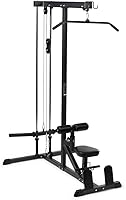
A rower can fit a home routine when you want cardio without needing a large set of movements or equipment changes. For more resistance options, compare it with a functional trainer and decide which fits your strength goals and available space.
What does a rowing workout train?
Rowing trains your legs, hips, trunk, back, and arms in a repeated sequence. Your legs start the drive, then your torso and arms finish it; the recovery phase brings you back to the start position.
That sequence makes rowing useful for conditioning, but it won't replace targeted strength work for every muscle. A cable press, squat, or row can load a specific movement in a way that a continuous rowing session may not.
A basic session can include an easy warm-up, steady strokes, and a gradual cool-down. Keep the pace smooth enough that you can repeat the same movement without yanking the handle or collapsing your posture.
How do you row with good form?
Use the sequence legs, torso, arms on the drive, then arms, torso, legs on the return. Keep the handle path level and your movements controlled rather than rushing to chase a faster stroke rate.
At the catch, bend your knees and reach forward only as far as you can while keeping your back comfortable. Push the footplates away with your legs, then lean back slightly and draw the handle toward your lower ribs.
On the recovery, straighten your arms, hinge forward from the hips, and then bend your knees. This keeps the handle from having to travel around your knees.
If you are new to the equipment, follow a row machine how to use guide before trying hard intervals. Start with short, easy bouts and stop if pain, dizziness, or unusual shortness of breath occurs.
How can rowing fit alongside home strength training?
Use rowing for conditioning and add resistance exercises for strength, adjusting the order to match your main goal. If strength is the priority, do the most important lifting while you are fresh, then row at a comfortable pace afterward.
For a simple home session, warm up with easy rowing, complete a few strength movements, and finish with steady strokes if you still feel in control. You can also row on a separate day to keep hard cardio from tiring your legs before lower-body work.
A functional trainer gives you cable movements for the upper and lower body. The Marcy Multifunction Home Gym Workout Station has a 150 lb selectorized weight stack, press arms, and arm and leg stations for home strength sessions.
Use a cable station for controlled exercises that complement the stroke, such as presses or leg work. See what cable machine workout is best for legs for lower-body ideas.
Suspension training is another way to add bodyweight resistance. The TRX GO includes a suspension strap, indoor and outdoor anchors, and a mesh carry bag; TRX also offers an app with guided workouts.
Choose resistance work that matches your current ability, and keep the first sessions modest. You can make bodyweight movements easier by changing your body angle or using a stable position.
Is a rower enough for a home workout?
A rower may be enough if your main goal is conditioning and you enjoy repeating the stroke. For broader strength training, add movements that challenge muscles through different angles and ranges.
The Sunny Health & Fitness Smart Row-N-Ride Glute is a squat-assist trainer rather than a traditional rowing machine. It uses three built-in resistance bands and offers deep, mid-level, and neutral squat positions, so it can add lower-body focused work to a cardio routine.
It can suit someone who wants a guided squat movement at home, but it doesn't provide the same continuous stroke as a conventional rower. Think about which movement you want to do most often before choosing equipment.
A rounded routine could include rowing, a squat or hinge, a push, and a pull. Keep the movements comfortable and controlled, and make changes gradually rather than adding volume all at once.
How hard should a rowing workout feel?
Choose an effort that lets you keep a smooth stroke from start to finish. Beginners can begin with easy steady rowing, while people with more experience can add brief faster intervals after their form stays consistent.
A faster stroke rate is not automatically a better workout. If you are pulling with your arms before driving with your legs, or losing control on the return, slow down and reset your technique.
Increase one challenge at a time, such as the session length or effort. Leave room for recovery, especially if rowing leaves your legs tired before planned strength work.
Who should choose rowing for home conditioning?
Rowing suits people who want a repeatable cardio session that involves both upper and lower body movement. It can be a practical choice if you have room for the machine and enjoy tracking time or distance.
Consider another approach if you dislike the stroke, cannot maintain a comfortable position, or need more variety in your routine. A functional trainer or suspension trainer can offer distinct resistance exercises, while a squat-assist machine focuses more on lower-body movement.
The best setup is the one you can use consistently and safely. Keep your goals clear: row for conditioning, add resistance work for strength, and choose equipment around the movements you want to practice.
Is a row machine a good workout for your goals?
A row machine is a good workout if you want full-body conditioning and can row with controlled form. Choose a conventional rower for repeated strokes, then add strength exercises if you want more targeted resistance work.
Pair rowing with a cable station for adjustable strength movements, suspension straps for bodyweight exercises, or a squat-assist trainer for focused lower-body practice. Start with manageable sessions and build from there.
If you want to learn the movement first, use the row machine how to use guide. For strength goals, review the Functional Trainer vs Rowing Machine for Back Gains comparison and choose the option that fits your routine.
Frequently asked questions
Is rowing a good workout for beginners?
Yes, rowing can suit beginners when they start at an easy pace and learn the movement before increasing effort. Push with your legs first, then lean back slightly and pull with your arms; reverse that sequence to return.
Stop if you feel sharp pain or cannot keep controlled form.
Does a rowing machine build muscle?
Rowing works the legs, back, arms, and core through repeated strokes, but it is mainly used for conditioning. For strength and muscle growth, add resistance exercises that let you train each area with controlled effort and progress the challenge over time.
Can rowing replace strength training?
Rowing can train several muscle groups while raising your heart rate, but it doesn't provide the same range of loading options as a strength program. Pair it with resistance exercises for muscles and movement patterns that the rowing stroke doesn't challenge enough.
How often should you use a rowing machine?
How often you row depends on your current fitness, schedule, and recovery. Start with a manageable number of short sessions each week, keep easier days between harder efforts, and build duration gradually.
If you have a health condition or are returning after a long break, ask a qualified professional for guidance.