How to Do Seated Dips on a Functional Trainer
To do seated dips on a cross functional trainer, sit on a stable bench between the pulleys, take the handles, and press them down beside your hips. Keep your torso steady and use a light load while you learn the cable path.
On this page (7 sections)
- How do you set up seated dips on a cross functional trainer?
- How do you perform the seated cable dip?
- How can you adjust the setup for your body?
- What mistakes should you avoid?
- Which equipment can support this kind of workout?
- How can you add seated dips to an upper-body session?
- How do you finish the set and reset the machine?
To do seated dips on a cross functional trainer, sit on a stable bench between the pulleys, hold the handles, and press them down beside your hips. Keep your torso still, your shoulders relaxed, and the load light enough to control the return.
This is a seated cable press for your triceps, not an assisted bodyweight dip. If you want a general overview first, read how to use a functional trainer.
How do you set up seated dips on a cross functional trainer?
Set the pulleys low and place a stable bench between them so you can press the handles down without leaning forward. Match the cable settings on both sides if you're using two handles.
- Move the pulleys to a low position and attach suitable handles.
- Place a bench between the towers, with enough room to sit and move your arms.
- Sit upright and take a handle in each hand, or use one handle if your machine's setup calls for it.
- Position your hands beside your hips with your elbows bent and tucked close to your sides.
- Check that the cables pull smoothly and don't cross your legs or catch the bench.
Choose a light starting load. The weight stack can feel different from a free weight because the cable's angle and pulley setup affect how the resistance moves.
How do you perform the seated cable dip?
Press the handles down by straightening your elbows, then return slowly to the starting position. Keep the movement smooth instead of using your body weight to push the handles.
Brace gently through your midsection and keep your chest comfortably lifted. Your shoulders should stay away from your ears, while your elbows remain close to your torso.
Stop just short of locking your elbows hard at the bottom. On the way up, let your elbows bend only as far as you can keep your shoulders comfortable and your posture steady.
Use a controlled pace for each repetition. If the handles jerk, your torso rocks, or your shoulders rise, reduce the load or shorten the range.
How should your wrists and elbows move?
Keep your wrists in line with your forearms and avoid letting them fold back under the handles. Your elbows should bend and straighten through a comfortable range without flaring far out to the sides.
Try a few unweighted or very light repetitions before doing a full set. If one side moves differently, pause and check the handle, cable path, and pulley height.
How can you adjust the setup for your body?
Change the bench position or pulley height until you can press down while staying upright. Learn how functional trainer trolleys work if you need help understanding pulley adjustment.
The ideal setup lets the handles travel beside your hips without pulling your arms behind your body.
Sit close enough to reach the handles without rounding forward. If the cables pull your shoulders forward at the start, move the bench or adjust the pulley position.
Keep both sides even when using two cables. For another seated cable movement, see seated rows on a Rogue trainer.
If the machine has a single cable station, use one side at a time and switch hands so both arms get similar work.
For more upper-body exercise ideas, see our best functional trainer for upper body workouts. If arm-focused cable movements are your goal, our best functional trainer for toning arms guide covers equipment suited to that training.
Should you use one cable or two?
Use two handles when the machine allows a balanced setup and you can keep both sides moving evenly. A single handle can work for one-arm repetitions, but stay upright and avoid rotating your torso as you press.
Don't attach multiple accessories or change the cable routing unless the machine's instructions allow it. The equipment manual takes priority over a general exercise description.
What mistakes should you avoid?
The most common mistakes are using too much weight, rocking the torso, shrugging, and forcing a deep stretch at the top. Each can make the movement harder to control.
Keep the load modest enough that you can pause at the bottom and return slowly. If you have to lean into the handles or bounce through the repetitions, lower the resistance.
Avoid pressing with locked, rigid elbows or letting the handles drift far behind your body. Keep the movement in a pain-free range, and stop if you feel sharp or worsening discomfort.
Don't confuse this movement with dips performed on a built-in station. Those use bodyweight support and a different setup, as covered in our guide to the best functional trainer with a dip station built in.
Which equipment can support this kind of workout?
A cable station with a stable setup is the most direct fit for seated cable dips. Other compact training tools can support strength work, but they don't reproduce the same cable path.
The Marcy Multifunction Home Gym Workout Station has dual-action press arms for chest press and vertical butterfly exercises, plus a selectorized weight stack. It is a home gym system rather than a description of a cross functional trainer's exact seated dip setup.
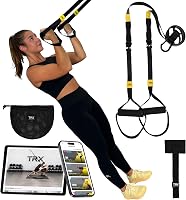
The TRX GO Suspension Trainer is a portable bodyweight training option with a suspension strap, indoor and outdoor anchors, and a mesh carry bag. It won't provide the downward cable resistance used in seated dips.
The Sunny Health & Fitness Smart Row-N-Ride Glute is designed for squat-assisted training with adjustable resistance bands and multiple squat-angle positions. It's aimed at lower-body and full-body movement rather than seated cable dips.
How can you add seated dips to an upper-body session?
Add seated cable dips after your main presses or other exercises that use the triceps. Start with a few controlled sets, leaving enough energy to keep your form steady.
Use a load that lets you complete every repetition without swinging or shrugging. Increase resistance gradually only when you can control both the downward press and the return.
You can pair the movement with a cable lateral raise for shoulder work. Our guide to the FT1 functional trainer lateral raise explains that separate cable exercise.
For triceps-focused equipment ideas, see best functional trainer for bigger triceps. The right choice depends on the cable setup and other exercises you want to do, not just one movement.
How do you finish the set and reset the machine?
Finish the last repetition with control, return the handles to the starting position, and set them down before changing the pulleys. Keep clear of moving cables and weight stacks while adjusting the machine.
If the bench shifts, the cable rubs against it, or the handles pull unevenly, stop and reset the setup. Check the machine instructions for its approved attachments and pulley adjustments.
For seated dips on a cross functional trainer, prioritize a stable bench, low and even cables, and a controlled press. Pick a lighter load if your shoulders shrug or your torso moves, and review the functional trainer setup guide when adjusting the machine.
Frequently asked questions
Can you do seated dips on a functional trainer?
Yes. Sit on a stable bench between the pulleys, set the cables low enough to pull downward, and press the handles beside your hips.
Keep your shoulders relaxed and your torso still.
Use a small, comfortable range at first, and stop if the movement causes pain.
What muscles do seated cable dips work?
Seated cable dips mainly train the triceps as you straighten your elbows against downward cable resistance. Your shoulders and chest help stabilize and guide the movement.
Keep the load light enough to control the return, since swinging or leaning can shift effort away from your arms.
How high should the pulleys be for seated cable dips?
Start with the pulleys low, then adjust until the handles travel down beside your hips without pulling you forward or making you shrug. Cable towers vary, so check the path while seated before adding weight.
Keep both sides at the same height when using two handles.
Are seated cable dips the same as assisted dips?
No. Seated cable dips use handles attached to a cable stack while you sit on a bench and press down.
Assisted dips use a dip station with a counterweight or other support as you lower and raise your body.
The setup and movement are different.