Senior Push Pull Functional Trainer Workout Plan
A senior push pull weight workout with a functional trainer can use one push day and one pull day each week, starting with light resistance and a small number of controlled repetitions. Adjust the plan to your experience, mobility, and any guidance from a health professional.
On this page (8 sections)
- How should seniors plan a push pull functional trainer workout?
- What makes a safe starting resistance?
- Which exercises belong on push day?
- Which exercises belong on pull day?
- How can you progress without rushing?
- What equipment can support a senior home routine?
- When should you change or stop the workout?
- How should you choose a senior push pull weight workout?
A senior push pull weight workout with a functional trainer can start with 2 nonconsecutive sessions each week: one for pushing and one for pulling. Choose light resistance, use a comfortable range of motion, and add repetitions or resistance gradually only when your form stays steady.
A push pull split groups exercises by the direction you press or pull. It can make a home routine easier to organize, but the schedule should fit your current ability and recovery.
How should seniors plan a push pull functional trainer workout?
Plan one push session and one pull session, with at least a day between them. Begin with 2 or 3 movements per session and a small set of controlled repetitions.
Use this sample as a starting framework, not a prescription:
| Day | Focus | Possible movements |
|---|---|---|
| Monday | Push | Seated cable chest press, supported sit-to-stand |
| Tuesday | Rest or easy activity | Comfortable walking or mobility work |
| Wednesday | Pull | Seated cable row, light pulldown if comfortable |
| Thursday–Sunday | Rest or usual activity | Leave time to recover before the next cycle |
You can move the days to suit your week. If two strength sessions feel like too much, start with one and build only when you recover well.
Before beginning, consider your balance, joint comfort, range of motion, and experience with resistance exercise. If you have a health condition, ongoing pain, recent surgery, or concerns about falling, ask a clinician or qualified trainer to help adapt the plan.
What makes a safe starting resistance?
Choose a resistance that lets you move slowly and keep control from start to finish. The first workout should feel manageable, not like a test of your limit.
Set the cable near the starting position you need, then rehearse the movement with very light resistance. Keep your feet planted, breathe normally, and avoid twisting or leaning to finish a repetition.
Stop if you feel sharp pain, unusual shortness of breath, dizziness, or a sudden loss of balance. Follow any exercise limits your clinician has given you.
How many sets and repetitions should you start with?
Start with one easy set per movement and rest as needed. There isn't one correct number for every senior, so choose a range that preserves smooth movement and comfortable effort.
When you can complete the movement without rushing, holding your breath, or changing your posture, add a few repetitions next time. Increase resistance only after that feels comfortable across more than one session.
Which exercises belong on push day?
Push day can include a chest press and a lower-body movement you can do with steady support. The cable press works the upper body, while a chair-assisted sit-to-stand practices standing from a seated position.
For a cable chest press, set the handles around chest height and stand or sit with a stable base. Press forward without locking your elbows, then return slowly; use a range that feels comfortable for your shoulders.
For sit-to-stands, use a sturdy chair against a wall and keep your hands on the armrests or another stable support if needed. If standing from the chair feels unsafe, skip it and ask a professional for a suitable alternative.
Can push-ups be part of the plan?
A push-up is optional, and the floor version isn't required. If you want to explore easier options, see Best Functional Trainer Push Up Variations for variations that change the body angle or support.
Use a stable setup and choose a position that lets you keep your body aligned. Don't use a door, rail, or other anchor unless it is designed and installed for exercise.
Which exercises belong on pull day?
Pull day can use a seated cable row, with a pulldown as an optional second upper-body movement. Keep your torso steady and bring your elbows back without shrugging or pulling through discomfort.
For a row, sit or stand in a stable position with the cable in front of you. Draw the handle toward your body, pause briefly, and return it under control.
A pulldown requires comfortable shoulder movement and a setup that lets you reach the handle safely. Leave it out if reaching overhead causes pain or makes you lose balance.
If a cable exercise bothers your joints, stop and adjust the range or choose another movement with professional guidance. Our guide explains whether a functional trainer can be bad for your joints.
How can you progress without rushing?
Change one part of the workout at a time. First aim for consistent, controlled movement; later, add a few repetitions or a small amount of resistance, not both at once.
Keep a simple note of the exercise, resistance setting, repetitions, and how you felt afterward. If you need more rest than usual or a movement feels worse in the next session, repeat an easier level or take extra recovery time.
A push pull plan can also include gentle core work, but it doesn't need to be complicated. For ideas that use a cable safely, read how seniors can train their core with a cable machine.
What equipment can support a senior home routine?
Choose equipment based on the movements you can set up and use safely. A functional trainer is one option; simpler equipment may suit your space, confidence, or exercise needs better.
The Marcy Multifunction Home Gym Workout Station has dual-action press arms for chest presses and vertical butterfly exercises, plus a selectorized weight stack.
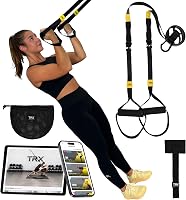
The TRX GO Suspension Trainer is a portable strap system with foam handles, indoor and outdoor anchors, and access to guided app workouts. Suspension exercises use body weight, so choose an angle and setup only if you can keep control.
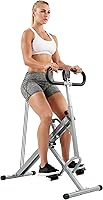
The Sunny Health & Fitness Smart Row-N-Ride Glute has adjustable handlebar and seat, squat angle options, and built-in resistance bands. Its assisted squat motion may be useful to explore for lower-body work if the movement is comfortable and you can mount and use it safely.
If you are comparing non-cable options, see cable machine alternatives for seniors before choosing equipment.
When should you change or stop the workout?
Stop a movement that causes sharp or worsening pain, dizziness, chest discomfort, or loss of balance. Sit down somewhere safe and follow any care guidance you have received.
Muscle effort can feel different from joint pain, but don't try to push through symptoms you can't explain. If discomfort keeps returning, pause that exercise and ask a clinician or physical therapist for advice.
Use a clear area around the machine and keep the cable path free of furniture and loose items. Check the equipment's instructions for setup, adjustment, and safe use.
How should you choose a senior push pull weight workout?
For a senior push pull weight workout with a functional trainer, choose the simplest schedule you can repeat comfortably. Start with two nonconsecutive sessions only if they fit your health and recovery; otherwise, begin with one session and build gradually.
Pick a cable trainer if it gives you stable positions and manageable adjustments. Consider another setup if the cable station feels difficult to approach or use, and review how to choose cable machine alternatives for seniors for other options.
Frequently asked questions
How many days a week should seniors do a push pull workout?
Start with 2 nonconsecutive strength days per week, one for pushing and one for pulling, if that fits your health and activity level. Leave at least a day between sessions for recovery.
A clinician or qualified trainer can help adjust the schedule if you have pain, balance concerns, or a long break from exercise.
How many repetitions should older adults do with a cable machine?
There is no single repetition target for every older adult. Begin with a few smooth repetitions at a light resistance, stop well before your form breaks down, and build gradually when the movement feels controlled.
Ask a qualified professional to help choose a starting level if you are new to strength training.
What exercises are in a senior push pull workout?
A simple plan can pair a chest press and supported sit-to-stand on push day with a seated or standing cable row and a light pulldown on pull day. Use only movements you can control comfortably, and choose alternatives with a professional if balance, shoulder motion, or joint symptoms limit an exercise.
Should seniors use a functional trainer if they have arthritis?
Some people with arthritis can adapt cable exercises, but the right range and resistance depend on the joint and symptoms. Start gently and stop if an exercise causes sharp or worsening pain.
A clinician or physical therapist can suggest suitable movements; see our guide to cable machine exercises for seniors with arthritis for adaptation ideas.