How to Adjust Pulley Height on a REP Fitness Cable Machine
To adjust pulley height on a REP Fitness cable machine, support the trolley, release its lock, move it to the desired position, then secure and check it before use. Follow the instructions for your specific model.
On this page (6 sections)
- How do you adjust pulley height on a REP Fitness cable machine?
- What should you check before starting an exercise?
- Why does the cable feel different after changing pulley height?
- What if the trolley will not move or lock?
- Which products can support a home training setup?
- What is the safest way to finish a pulley adjustment?
To adjust pulley height on a REP Fitness cable machine, support the trolley, release its lock, move it along the upright, and secure it before you pull. REP machine designs can differ, so use your model's manual for the exact release and locking steps.
Start with no tension on the cable and keep your hands clear of pinch points. Once the trolley is set, check that it is locked and the cable travels freely before attaching a handle or beginning an exercise.
How do you adjust pulley height on a REP Fitness cable machine?
Move the trolley only after releasing its locking mechanism, then confirm it is secure at the new height. The exact handle or release action depends on your REP model, so check its manual rather than forcing a part that does not move.
For another machine-specific example, see Cybex PP-HL pulley adjustment.
- Stop exercising and let the cable return to a slack position.
- Hold the trolley so it cannot drop or slide unexpectedly.
- Release the trolley lock as the manual describes.
- Move the pulley to the height you need.
- Let the lock engage fully, then gently check that the trolley stays put.
Keep fingers away from the trolley, upright, and adjustment points while moving it. If a pin, latch, or lever resists, stop and check the instructions; don't strike or pry it.
Choose a height that lets the cable pull in the direction your exercise requires without rubbing against your body or nearby equipment. If you need general setup guidance, see How to Adjust Cable Pulley Height?.
What should you check before starting an exercise?
Confirm the trolley is locked, the cable is seated correctly, and the path is clear. A quick check helps catch a height adjustment that hasn't engaged or a cable that has shifted out of place.
Learn more about how functional trainer trolleys work.
With the cable slack, apply light pressure to the handle while watching the trolley. It should remain in position; stop if it slides, clicks unexpectedly, or feels loose.
Look along the cable path for twists, snags, or contact with the frame. Keep the attachment clear of other equipment and make sure you have room to complete the movement without striking a wall or obstruction.
Attach a handle only after the trolley is secure. Begin with a controlled, light pull to confirm the cable runs smoothly, then increase effort only if the setup stays stable.
How do you choose a pulley height for an exercise?
Set the pulley so the cable lines up with the direction of the movement you plan to perform. A high position suits pulls that travel downward, while a low position suits pulls that travel upward; a mid-height setting supports movements that stay closer to level.
For a shoulder exercise using this setup, see Inspire FT1 lateral raises.
Keep the cable away from your face and avoid a position that makes you twist or lean to compensate. If you aren't sure where to start, use the exercise instructions and adjust the trolley while the cable is unloaded.
For more setup examples, read How to Properly Adjust Functional Trainer Pulleys. To see how a functional trainer fits into a session, follow How to Use a Functional Trainer?.
Why does the cable feel different after changing pulley height?
A change in pulley height can alter the cable's direction and the path of the handle. It doesn't, by itself, tell you how much resistance reaches your hands; the machine's pulley arrangement also matters.
Use a light pull to get a feel for the new path before working at your usual effort. If the resistance seems unusual, check that the cable and trolley are set correctly and review the manual.
The pulley ratio on a cable machine explains why the selected weight and the force you feel may differ. For common training uses, see what a cable machine is good for.
What if the trolley will not move or lock?
Stop if the trolley sticks, the lock won't engage, or the cable looks damaged. Don't force the adjustment or use the machine with a trolley that can shift under load.
Check the manual for the correct release method and any instructions for your model's adjustment points. If the parts still don't move smoothly or won't hold, contact REP Fitness support before using the station.
Keep the area around the upright clear while troubleshooting. Don't reach into the mechanism while someone else pulls the cable.
Which products can support a home training setup?
Choose equipment around the movement you want and the space you have. These options offer different ways to train at home, though none replaces the correct adjustment and safety checks on a REP cable machine.
The Marcy Multifunction Home Gym Workout Station combines cable crossovers with press arms and a leg station. Its selectorized stack has a safety lock, and its manual should guide setup and use.
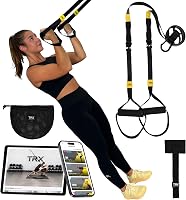
The TRX GO Suspension Trainer includes a strap, anchors, and a mesh carry bag. It offers a bodyweight training option when you want a portable setup.
The Sunny Health & Fitness Smart Row-N-Ride Glute uses 3 built-in resistance bands and has multiple squat-angle positions. Its foldable frame may suit a space where equipment needs to be stored between sessions.
What is the safest way to finish a pulley adjustment?
Lock the trolley, test it with a light pull, and stop if anything shifts or binds. Use the instructions for your exact REP model whenever the adjustment mechanism is unclear.
Pick a high, middle, or low position based on the direction of your exercise, then check that the cable route is clear. A secure trolley and smooth cable path are the last checks before you train.