Does a Life Fitness Cable Machine Have a 2:1 Ratio?
Some Life Fitness cable machines use a 2:1 ratio, but the brand name alone doesn't tell you the ratio. Check the exact model's manual or trace the cable path to see whether the moving pulley travels twice as far as the handle.
On this page (7 sections)
- Does a Life Fitness cable machine have a 2:1 ratio?
- How can you check the ratio on a specific machine?
- What does a 2:1 ratio change during exercise?
- Can you convert a 1:1 Life Fitness machine to 2:1?
- Which alternatives fit different cable and home gym needs?
- What is a cable machine good for beyond pulley ratios?
- How should you choose a Life Fitness cable station?
Some Life Fitness cable machines use a 2:1 pulley ratio, but the brand name alone doesn't identify the ratio. Check the exact model's manual or follow the cable path: with a 2:1 setup, the handle travels about twice as far as the weight stack.
That difference affects both how far you can pull and how much force reaches the handle. A 100 lb stack selection on a 2:1 station can feel roughly like 50 lb at the handle, before friction and other machine differences.
Does a Life Fitness cable machine have a 2:1 ratio?
It depends on the model and cable station. A single machine can also have more than one station or cable path, so check the exact model and the specific pulley you plan to use.
Look for a ratio in the owner's manual, assembly guide, or model specifications. If those materials don't say, inspect how the cable runs around the pulleys and compare stack travel with handle travel.
The basics of what a pulley ratio on a cable machine means can help you interpret the manual or your observation. Don't use the brand name as a substitute for model-specific information.
How can you check the ratio on a specific machine?
Compare the distance the handle moves with the distance the stack rises. Keep the area around the moving parts clear, and use a light load if you're checking a machine in person.
A simple check is to mark the handle's starting point and watch the stack as the handle moves a known distance. If the handle moves about 24 in while the stack moves about 12 in, that points to a 2:1 arrangement.
If handle and stack travel are close to equal, the station may be 1:1. Cable routing can be hard to see inside a shroud, so rely on the manual or ask the facility's staff if you can't inspect the path safely.
What should you look for in the cable path?
A cable that passes around a moving pulley attached to the stack often creates a 2:1 ratio. In that arrangement, two sections of cable support the moving pulley, so the stack moves less than the handle.
Count the cable segments supporting the moving pulley rather than every pulley visible on the machine. Fixed pulleys often change the cable's direction without changing the ratio.
This visual check is a clue, not a guarantee. Some machines route cables through multiple pulleys or use a design that's difficult to read from the outside.
Can the weight stack label confirm the ratio?
No, the stack label alone doesn't tell you the handle force. It shows the selected stack weight, but the pulley arrangement changes the relationship between stack movement and handle movement.
For a 2:1 ratio, a 20 lb selection can produce about 10 lb of force at the handle under ideal conditions. Friction and the machine's design can change the feel, so treat that as an estimate rather than an exact measurement.
What does a 2:1 ratio change during exercise?
A 2:1 ratio gives you more cable travel and less force at the handle for the same stack selection. That may suit exercises where you need a longer pull or a lighter load.
A 1:1 station typically gives more force at the handle for the same selected weight, with less cable travel. Neither ratio is automatically better for every exercise or lifter.
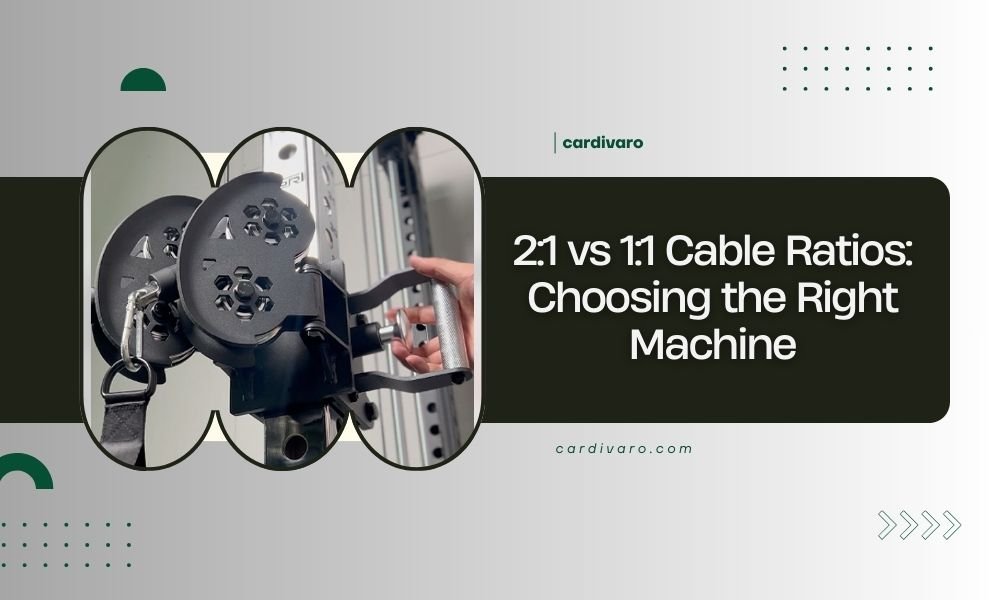
For a closer comparison of the tradeoffs, read 2:1 vs 1:1 cable ratios: choosing the right machine. The useful question is whether the station's available range and resistance match the movements you want to do.
Can you convert a 1:1 Life Fitness machine to 2:1?
Don't change the cable routing unless the manufacturer approves that setup for your exact model. Adding or moving pulleys can affect cable length, travel, clearances, and how the machine handles load.
A conversion can require different hardware and cable lengths, and a routing change may create a safety problem if it isn't designed for that frame. Check the owner's manual or contact Life Fitness support before modifying a station.
Our guide to turning a 1:1 cable machine into a 2:1 setup explains what to consider before attempting a change. If you need a different ratio, a machine designed for it is the more straightforward option.
Which alternatives fit different cable and home gym needs?
Choose equipment based on the movement and resistance system you need, not on a ratio label alone. These options cover a fixed home gym station, portable bodyweight training, and band-based resistance.
The Marcy Multifunction Home Gym Workout Station combines a 150 lb selectorized stack with arm and leg stations, so it may suit someone building a varied home routine around one unit.
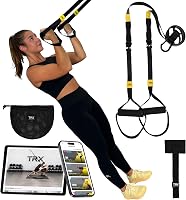
The TRX GO uses suspension straps and bodyweight rather than a weight stack or cable ratio. Its set includes indoor and outdoor anchors and a mesh carry bag, which may help if you want a portable option.
The Sunny Health & Fitness Smart Row-N-Ride uses 3 built-in resistance bands, with up to 66 lb of total resistance. It folds for storage and offers pin-lock squat angle options.
These products use different resistance systems, so they aren't direct substitutes for a Life Fitness cable station. Compare each system's movements, setup, and storage needs with your training space.
What is a cable machine good for beyond pulley ratios?
A cable machine lets you pull from different heights and angles for a range of strength exercises. A functional trainer's adjustable pulleys can support movements such as rows, presses, and fly variations, depending on the machine.
See how a functional trainer works for an explanation of its moving parts and cable path. If you're deciding whether a two-sided station suits your space, what a cable crossover machine is describes that layout.
Cable work can complement other strength equipment, but the machine's ratio is only one part of the choice. Consider the exercises you plan to do, the available handle travel, and whether the stack provides enough resistance.
How should you choose a Life Fitness cable station?
Choose by checking the exact station's ratio, handle travel, and resistance range against your exercises. Confirm the model in its manual, then compare stack movement with handle movement if the manual doesn't state a ratio.
If you want more travel with lighter handle force for a given stack selection, a verified 2:1 station may fit. If you want more handle force per selected pound and don't need as much cable travel, look at a verified 1:1 station.
A guide to what cable machines are good for can help match cable exercises to your goals. Make the model and station your deciding reference, since Life Fitness machines don't all share one pulley ratio.
Frequently asked questions
Do all Life Fitness cable machines have a 2:1 ratio?
No. Life Fitness makes different cable machines, and the ratio can vary by model and cable station.
Check the manual or model information for the specific unit, and verify the cable path if the ratio isn't clear.
Don't assume the number printed on a weight stack equals the handle resistance.
What does a 2:1 ratio mean on a cable machine?
A 2:1 ratio means the handle moves about twice as far as the weight stack, while the force at the handle is about half the selected stack weight before friction. For example, a 20 lb selection can feel close to 10 lb at the handle, though real machines may vary.
How can I tell the ratio without a manual?
Watch the stack and handle as someone moves the handle a measured distance with no load or a light load. If the stack rises about half as far as the handle, the station is likely 2:1; if both travel similar distances, it is likely 1:1.
Keep hands clear of pulleys.
Does a 2:1 cable ratio make the workout easier?
For the same stack selection, a 2:1 setup generally gives less force at the handle and a longer cable pull than a 1:1 setup. That can help with exercises that need more travel, but the right choice depends on your movements, available stack, and the machine's design.