How to Plan a Chest and Biceps Functional Trainer Workout
A chest and bicep workout using a functional trainer can pair 2 chest exercises with 2 biceps exercises in one session. Set the pulleys for each movement, use a load you can control, and rest between sets.
On this page (6 sections)
A chest and bicep workout using a functional trainer can pair 2 chest exercises with 2 biceps exercises in one focused cable session. Set the pulleys for each movement, use a load you can control, and rest between sets.
Start with a brief warm-up and a light practice set. For a shoulder movement to add to your training, see FT1 functional trainer lateral raises.
Then do chest presses or fly movements before curls, unless biceps are your main training priority.
What exercises belong in a chest and biceps cable workout?
A balanced session can include a cable chest press, a fly variation, a standing curl, and a second curl variation. These choices use the functional trainer’s adjustable cables for both pushing and pulling motions.
Try this order:
- Standing cable chest press: 2–3 sets of 8–12 controlled repetitions.
- Cable fly: 2–3 sets of 10–15 controlled repetitions.
- Standing cable curl: 2–3 sets of 8–12 repetitions.
- Cable curl with a different stance or handle position: 2 sets of 10–15 repetitions.
These rep ranges are starting points, not rules. Use a lighter load if you can’t control the movement through its full comfortable range, and rest long enough to repeat your next set with steady form.
If you want to add a pressing variation using body weight, read how to do seated dips on a cross functional trainer. For a different chest angle, see the incline chest fly functional trainer exercise.
How should you set up the cables?
Set the pulleys at the height required for each movement, then check that both sides lock securely before attaching handles. Keep the area around the machine clear so the cables and your arms can move without hitting furniture or other equipment.
For a standing chest press, position the handles around chest height and stand between the pulleys. Take a staggered stance, bring your hands near your chest, then press forward without shrugging your shoulders or locking your elbows hard.
For a fly, use a lighter load and a comfortable range. Keep a small bend in your elbows as you bring your hands together, and stop if your shoulders feel pinched or painful.
For curls, face the machine or stand between the pulleys, depending on the setup. Keep your upper arms near your sides and bend your elbows without leaning back to swing the load.
How do you choose a load for a chest and bicep workout using a functional trainer?
Choose a load that lets you complete each set with steady movement and control. If you have to jerk the handles, twist your torso, or shorten the motion to finish a repetition, lower the resistance.
Cable labels and stack increments vary by machine, so the number on one trainer may not match another. Add resistance gradually when the current load feels manageable across all planned repetitions.
How can you make the session easier to follow?
Use the same exercise order and rest periods for a few sessions so you can judge whether the plan suits you. Write down the cable setting, load, and completed repetitions; change one item at a time when you progress.
A functional trainer can support several upper-body cable movements, but the available attachments and pulley range vary. Compare what matters for your routine in Best Functional Trainer For Upper Body Workouts and Best Functional Trainer For Cable Workouts.
Which equipment can support this routine?
A home gym with press arms and a removable curl pad may suit someone who wants chest and biceps stations in one machine. The Marcy Multifunction Home Gym Workout Station has dual-action press arms for chest press and vertical butterfly exercises, plus an adjustable, removable preacher curl pad.
This unit is a home gym system rather than a compact cable tower. Check the space and setup requirements before deciding whether it fits your room and routine.
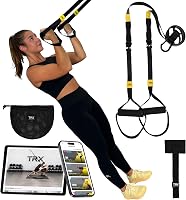
Suspension straps can add body-weight training alongside cable work, but they don’t replace adjustable cable resistance. The TRX GO includes a suspension trainer, indoor and outdoor anchors, and a mesh carry bag.
The Sunny Health & Fitness Smart Row-N-Ride Glute & Leg Trainer is designed around squat-assist and lower-body training. Its role is better suited to a separate leg session than to chest and biceps cable exercises.
How can you keep your form controlled?
Use a stance that feels stable, keep your torso still, and move through a range you can control. Don’t force a repetition if the cable pulls you off balance or your joints feel uncomfortable.
For cable presses, avoid letting your shoulders roll forward at the end of each repetition. For curls, keep your elbows from drifting far ahead of your body as you lift.
If a movement causes pain, stop and adjust the setup or choose another exercise. The American Council on Exercise exercise library can help you review general movement cues, but follow your machine’s instructions for safe cable setup.
How often should you repeat the workout?
Repeat the session when you’ve recovered enough to use good form again. Your schedule, training experience, and the rest of your weekly workouts all affect how often that makes sense.
If you’re returning to exercise or want a lower-impact routine, browse Best Functional Trainer Workouts for Seniors for ideas to adapt around your ability and comfort. For biceps-focused equipment considerations, see Best Functional Trainer For Bigger Biceps.
How do you plan a chest and biceps functional trainer workout?
For a chest and bicep workout using a functional trainer, choose 2 chest movements and 2 curl variations, set each pulley securely, and keep every repetition controlled. Pick a lighter load when you need to swing or shorten the movement, then progress gradually as the session becomes manageable.
Frequently asked questions
Can you train chest and biceps on the same day?
Yes. You can train chest and biceps in one session by doing chest movements first, then biceps movements.
Choose a manageable number of sets, keep your form controlled, and allow enough rest between sets.
Adjust the session if soreness or fatigue makes it hard to use good form.
How many exercises should a chest and biceps workout include?
Start with 2 chest exercises and 2 biceps exercises, then adjust based on your training experience and recovery. One press and one fly variation can cover different chest movement patterns, while a curl and a second curl angle give your arms focused work.
What pulley height should I use for cable chest exercises?
Pulley height depends on the exercise. Set the handles around chest height for a standing press, and use higher pulleys for many standing fly variations.
Follow your trainer's instructions, check that both sides are set securely, and choose a position that lets you move without shoulder discomfort.
Should I do chest or biceps first?
Do chest first if chest strength is your main goal, since pressing uses more muscles and can take more effort. If biceps are the priority, you can start with curls, but keep the session balanced and avoid rushing either part.