How Can Seniors Train Their Core with a Cable Machine?
Seniors can train their core with a cable machine using light resistance, a stable stance, and slow, controlled movements. Start with a standing press or rotation only if it feels comfortable, and stop if you feel pain, dizziness, or unusual shortness of breath.
On this page (7 sections)
- How should seniors set up a cable machine for core training?
- Which cable exercises can seniors try for the core?
- How much resistance and how many repetitions should you use?
- What should seniors avoid during cable core exercises?
- Which equipment can support a senior core routine?
- How can seniors fit cable core work into a routine?
- How should seniors choose cable core exercises?
Seniors can train their core with a cable machine using light resistance, a stable stance, and slow movements. Begin with a simple standing press, keep a support nearby if needed, and stop if you feel pain, dizziness, or unusual shortness of breath.
A cable gives you a handle to push or pull while you resist the pull of the weight. Start with a range of motion and resistance you can control, and follow the machine manual for setup.
How should seniors set up a cable machine for core training?
Set the pulley at a height that lets you hold the handle comfortably, then choose the lightest practical resistance. Stand on a clear, level floor with enough room to move without stepping over the cable.
Before starting, check that the handle is secure and the cable moves freely. A cable machine exercise chart can help you check the pulley setup.
Keep the machine's weight stack and moving parts clear, and don't change the setup while the weight is lifted.
Stand near a sturdy support, such as a fixed rail, if you need help with balance. Don't hold the support and cable at the same time; choose an exercise that lets you keep a steady stance.
If joint comfort affects your setup, see cable machine exercises for seniors with arthritis for ways to adapt movements.
Which cable exercises can seniors try for the core?
A standing press and a small, controlled rotation are two options to consider. Keep the resistance low and the movement comfortable; skip any exercise that makes you sway, twist sharply, or lose balance.
Is a standing cable press a good first exercise?
A standing cable press is a simple place to start because you can keep both feet planted. Set the handle around chest height and stand facing away from the pulley, with the cable behind you.
Hold the handle with both hands close to your chest. Slowly press forward, pause briefly, then bring your hands back without letting the cable pull you off balance.
Keep your knees soft and your torso steady. If you need to lean, hold your breath, or use momentum, reduce the resistance or stop.
How can seniors try a standing cable rotation?
A small standing rotation can train the core as you resist the cable's pull. Set the pulley near chest height and stand sideways to it, with both feet planted and the handle held in front of your body.
Turn your torso only a small amount, then return slowly to face forward. Keep your hips and knees comfortable, and don't pull the handle across your body with a fast or forceful twist.
If you can't keep your balance, try the press instead or skip cable rotation. The goal is controlled movement, not a larger turn.
Can a seated cable exercise be easier to balance?
A seated position may feel steadier for some people, but only use a bench or seat that is stable and suitable for the machine. Keep your feet supported and use a light resistance so the cable doesn't pull your upper body forward.
A seated press can follow the same slow pattern: hold the handle near your chest, press forward, then return with control. Don't sit on a loose chair in front of a machine unless the setup is secure and the manual allows it.
How much resistance and how many repetitions should you use?
Start with the lightest setting that lets you move smoothly and breathe normally. Use a few controlled repetitions, pause, and check how you feel before deciding whether to continue.
There's no single starting weight or repetition count for every senior. A cable's resistance can feel different across machines, and your balance, strength, and comfort matter more than a target number.
Don't hold your breath during the press or rotation. If you feel strained, shaky, dizzy, or unsteady, stop and rest.
What should seniors avoid during cable core exercises?
Avoid heavy resistance, sudden pulls, deep twisting, and any stance that feels unstable. Don't wrap the cable around your hand or use a handle that isn't securely attached.
Keep your posture relaxed and your movements small enough to control. Stop if you feel pain, numbness, dizziness, chest discomfort, or unusual shortness of breath; seek medical advice for symptoms that concern you.
A functional trainer can be adjusted in different ways, but an awkward angle or excessive resistance may make movement uncomfortable. Read whether a functional trainer can be bad for your joints before trying a setup that causes joint discomfort.
Which equipment can support a senior core routine?
A cable station is one option for resistance training, while suspension straps or a squat-assist trainer may suit different movement preferences. Compare the setup, space, and kind of movement you want before choosing equipment.
The Marcy Multifunction Home Gym Workout Station has a selectorized 150 lb weight stack and cable crossover system, which may suit someone seeking a home station with adjustable resistance.
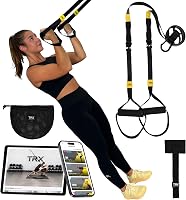
The TRX GO Suspension Trainer uses bodyweight and includes indoor and outdoor anchors, so it offers a different setup from a cable machine.
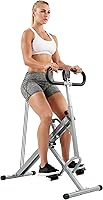
The Sunny Health & Fitness Smart Row-N-Ride Glute has adjustable resistance bands and pin-lock squat angle options. It may suit someone who wants a supported squat-style movement rather than cable presses.
These options aren't interchangeable with a cable machine for every exercise. For more choices, see cable machine alternatives for seniors.
How can seniors fit cable core work into a routine?
Keep the routine short and focused on movements you can control. For example, try a few easy presses, rest, then decide whether to repeat or finish for the day.
Pair core work with other comfortable movements rather than adding several new exercises at once. A push/pull weight workout for seniors using a functional trainer can help you plan a broader routine.
For an overview of other uses, read what a cable machine is good for. If you're comparing station styles, see what a cable crossover machine is.
How should seniors choose cable core exercises?
Choose a cable exercise only if you can set it up safely, keep your balance, and move without pain. Start with light resistance and a small range of motion, then stop when the movement no longer feels controlled.
A standing press can be a practical first option. Try a rotation only if your stance stays steady, and use a different setup or equipment if the cable position feels awkward.
Frequently asked questions
Is a cable machine safe for seniors?
A cable machine may suit some seniors when the setup is stable and resistance is easy to control, but comfort and ability vary. Use a clear floor area, start with a light setting, and follow the machine manual.
Ask a health professional for guidance if you have a condition or concerns about exercise.
What is a simple cable exercise for the core?
A standing cable press can train the core as you resist being pulled toward the machine. Set the handle around chest height, stand sideways to the cable with a steady stance, and press your hands forward slowly.
Use little resistance and stop if you cannot stay balanced or keep the movement comfortable.
How much weight should seniors use on a cable machine?
Choose a resistance that lets you move slowly and keep your balance without holding your breath or straining. Begin at the lightest practical setting, then adjust only in small steps if the movement stays controlled.
There is no single weight that fits every person or machine.
How often should seniors do core exercises?
A suitable schedule depends on your health, current activity, and recovery. Start with a small amount of easy practice and leave time to recover between sessions.
If you have ongoing pain, a recent injury, or a medical condition that affects movement, ask a health professional before adding exercises.