How to Train Shoulders on a TAG Functional Trainer
Good shoulder workouts on a TAG functional trainer use light, controlled cable work such as lateral raises, front raises, face pulls, and presses. Set both pulleys evenly for two-arm moves, choose a comfortable range, and use the TAG manual to confirm each setting and attachment.
On this page (11 sections)
- What makes good shoulder workouts on a TAG functional trainer?
- How should you set the pulleys before training?
- How do you do cable lateral raises?
- How do you do cable front raises?
- How do you do face pulls on a functional trainer?
- Can you do a cable shoulder press?
- How should you warm up and choose resistance?
- What should you avoid during cable shoulder training?
- Which other equipment can support a home shoulder routine?
- How can you build a simple shoulder workout?
- Which shoulder cable exercises should you choose?
Good shoulder workouts on a TAG functional trainer use controlled cable raises, face pulls, and presses with the pulleys set for a smooth path. Start with light resistance, keep your ribs stacked over your hips, and use only the range you can control.
The TAG name covers different functional trainer setups, so pulley travel and attachments may vary. Check the manual for your model before changing pulley positions or connecting an unfamiliar handle.
What makes good shoulder workouts on a TAG functional trainer?
A useful shoulder session covers pressing, side raises, and rear-shoulder work. Cables let you adjust the line of pull, but smooth control matters more than using a heavy setting.
For a basic session, try:
- Cable shoulder press: 2–3 sets of 8–12 reps.
- Lateral raise: 2–3 sets of 10–15 reps.
- Face pull: 2–3 sets of 10–15 reps.
- Optional front raise: 1–2 sets of 10–12 reps.
These are starting ranges, not a requirement. If you already do chest presses, your front delts get work there, so you can skip front raises and focus on lateral and rear-shoulder movements.
Which attachments help with shoulder exercises?
A single handle is enough for many one-arm raises, while a rope can suit face pulls. Use only attachments that fit your trainer's cable end securely and that the manual permits.
Two handles can make bilateral movements easier to set up. If your TAG trainer has a short bar, it may work for a press, provided your cable path stays clear and the grip feels comfortable.
The machine's cable travel, pulley adjustment, and available handles determine which variations are practical. For a wider look at cable options, see Best Functional Trainer For Cable Workouts.
How should you set the pulleys before training?
Set each pulley at the height that gives the handle a clear, comfortable path. For lateral and front raises, start near hand or lower-chest height; for face pulls, try a higher setting.
Before your work sets, check that:
- The cable moves freely through the pulley.
- The handle or rope is fully attached.
- You can stand or sit without the cable rubbing your body.
- Both sides use matching pulley heights for two-arm moves.
- The selected resistance allows a slow return, not just a strong pull.
TAG machines can differ, so use the model's instructions for pulley adjustment and resistance selection. Don't force a pulley or attachment into a position it wasn't designed to use.
How do you do cable lateral raises?
Cable lateral raises train the side delts when you lift the arm out and slightly forward without shrugging. Set a low pulley, attach one handle, and stand side-on with the cable crossing in front of your body.
Hold the handle in the hand farthest from the pulley, keep a soft bend in your elbow, and raise to a comfortable height around shoulder level or lower. Lower slowly and keep your torso still.
Start with 2 sets of 10–15 reps per side. If you have to lean, swing, or hike your shoulder to move the handle, reduce resistance or shorten the range.
How do you do cable front raises?
Front raises use a low cable to lift one arm in front of the body. Face away from the pulley, hold the handle at your side, and raise your hand forward with a relaxed elbow.
Stop near shoulder height or sooner if your shoulder feels pinched or your back starts to arch. Lower under control and keep the nonworking hand on a stable support if that helps you stay balanced.
Front raises are optional if your weekly training already includes presses. To compare how upper-body programs use a trainer, read Best Functional Trainer For Upper Body Workouts.
How do you do face pulls on a functional trainer?
Face pulls use a high cable and rope attachment to pull toward the face while the elbows move out. Set a light resistance, stand tall, and guide the rope toward eye or upper-face height.
Finish with your hands beside your temples and avoid leaning backward to complete the pull. Let the arms return slowly, keeping the shoulders away from your ears.
Use a range that feels natural in the shoulders. If you need a more mobility-focused setup, see Best Functional Trainer For Shoulder Mobility.
Can you do a cable shoulder press?
Yes, if your TAG setup gives you a stable, unobstructed pressing path. Place the pulleys low, hold the handles near shoulder level, and press upward without locking your elbows or arching your lower back.
A seated position can make it easier to stay steady, but only use a bench or seat that fits the exercise and machine safely. Begin lighter than you think you need, since the cable pull can feel different from a dumbbell press.
If the cables pull you off balance or the handles travel too close to your head, stop and adjust the setup. You can also build upper-body volume with a chest and bicep workout using functional trainer.
How should you warm up and choose resistance?
Warm up with easy shoulder movement and a few light cable reps before working sets. The goal is to practice the motion, not tire your shoulders before the workout begins.
Try arm circles within a comfortable range, then do 1–2 lighter sets of your first exercise. Add resistance only when you can keep the same controlled path through every rep.
For each set, stop with a few good reps still possible. That leaves room to progress while keeping the final repetitions smooth.
What should you avoid during cable shoulder training?
Avoid swinging, shrugging, twisting, and forcing a painful range. Those habits make it harder to keep the work on the shoulder muscles and can turn a simple movement into an uncomfortable one.
Use a lighter setting if your body shifts to move the handle. Keep the cable away from your face and fingers when attaching or changing accessories, and follow the machine's safety instructions.
Stop if you feel sharp pain, numbness, or sudden weakness. Persistent shoulder symptoms deserve guidance from a qualified health professional.
Which other equipment can support a home shoulder routine?
Choose equipment based on the training gap you need to fill. A cable trainer supports adjustable pulling angles, while other tools can add bodyweight practice or general strength work.
The Marcy Multifunction Home Gym Workout Station includes a selectorized weight stack and dual-action press arms for chest press and vertical butterfly exercises.
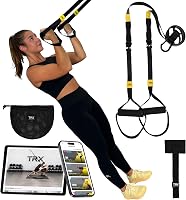
The TRX GO Suspension Trainer is a portable strap system with indoor and outdoor anchors, foam handles, and a mesh carry bag.
The Sunny Health & Fitness Smart Row-N-Ride Glute works the shoulders along with several other muscle groups during its full-body movement, and includes adjustable resistance bands.
How can you build a simple shoulder workout?
Pair one press with a side raise and a rear-shoulder movement for a practical routine. If you train shoulders after chest, reduce or skip extra front-delt work.
A sample session:
- Cable shoulder press: 2 sets of 8–12 reps.
- One-arm lateral raise: 2 sets of 10–15 reps per side.
- Rope face pull: 2 sets of 10–15 reps.
Rest long enough to regain control and keep your next set smooth. Add reps within the range before increasing resistance, and change only one part of the workout at a time.
Which shoulder cable exercises should you choose?
For good shoulder workouts on a TAG functional trainer, choose a press for general strength, lateral raises for side delts, and face pulls for rear-shoulder work. Add front raises only if they fill a gap in your routine.
Use a single handle for one-arm work and a rope for face pulls when those attachments fit your machine. If arm training is also a goal, compare Best Functional Trainer For Toning Arms and Best Functional Trainer For Bigger Triceps, then keep your weekly shoulder volume manageable.
Frequently asked questions
What are good shoulder workouts on a TAG functional trainer?
Cable lateral raises, front raises, face pulls, and light presses can make a balanced shoulder session on a functional trainer. Use a comfortable range and smooth reps, with the pulley and attachment set according to the machine manual.
Stop if you feel sharp pain or lose control of the handle.
What pulley height should I use for shoulder exercises?
Set the pulley around hand or lower-chest height for many raises, then adjust to keep the cable path comfortable and clear. Face pulls usually use a higher pulley.
TAG models and attachments can differ, so check your machine manual and make small adjustments before adding resistance.
Can I train shoulders with one cable?
Yes. A single pulley works for one-arm lateral raises, front raises, and controlled external rotation variations when the handle and range feel comfortable.
Start with the side that feels less coordinated, match the reps on the other side, and avoid twisting your torso to move the handle.
How many shoulder exercises should I do?
For a general session, choose 3 or 4 movements that cover a press, a raise, and rear-shoulder or upper-back work. Begin with 2 or 3 controlled sets per move and stop before your form breaks down.
Adjust volume to your experience, recovery, and other weekly training.