Cable Exercises for Seniors with Arthritis
Use a comfortable grip, stable position, and light resistance when adapting cable machine exercises for seniors with arthritis. Move slowly through a pain-free range, and stop if a movement causes sharp or lasting pain.
On this page (9 sections)
- How should seniors with arthritis adjust cable exercises?
- Which cable grip may feel easier on sore hands?
- How can you make the cable position more comfortable?
- How much resistance and how many repetitions should you use?
- Which cable movements are easier to modify?
- When should you stop or change the exercise?
- What equipment may help when a cable setup is not comfortable?
- How can you build a safer session at home?
- How should you adapt cable machine exercises for seniors with arthritis?
Cable machine exercises for seniors with arthritis are best adapted with a comfortable grip, a stable position, light resistance, and a pain-free range of motion. Move slowly, keep the working joint aligned, and stop if symptoms worsen.
Arthritis can affect different joints and vary from day to day, so there isn't one setup that suits everyone. If you're unsure whether an exercise is appropriate, ask a clinician or physical therapist who knows your health history.
How should seniors with arthritis adjust cable exercises?
Choose a light load and a movement you can control without joint pain. Start with a few slow repetitions, then notice how the joint feels during exercise and later that day.
Set the cable near the height needed for the movement, so you don't have to reach far or twist to take hold. Stand with your feet supported, keep your trunk steady, and use a comfortable range rather than trying to stretch as far as possible.
Reduce the resistance or range if you have to jerk the handle, hold your breath, shrug, or grip tightly. A smooth, easy motion is a better starting point than a heavier load.
If you're building a routine, a push/pull weight workout for seniors using a functional trainer can help you plan balanced movement patterns. Use only exercises and effort levels that suit your current ability.
Which cable grip may feel easier on sore hands?
Use a grip that feels secure without requiring a hard squeeze. A wider or padded handle may spread pressure across the hand, but comfort depends on the person and the attachment.
Hold the handle with a relaxed hand and keep the wrist close to neutral, rather than bent sharply up, down, or sideways. If your fingers become painful or tired, shorten the set or pause instead of tightening your grip.
Some cable machines have different handle options, but not every attachment fits every setup. Try a grip with little or no resistance first, and ask a physical therapist whether a wrist cuff or other attachment is appropriate for your joints.
Avoid tying a handle to your hand or using a strap in a way that could trap you if you lose control. You should be able to release the attachment easily.
How can you make the cable position more comfortable?
Set the cable and your body so the movement starts in a relaxed position. Keep the cable path close to your natural line of movement, and don't force a shoulder, elbow, wrist, hip, or knee into an awkward angle.
For a standing movement, take a stable stance with enough room to move without being pulled off balance. If standing feels unsteady, ask a qualified professional whether a seated variation or a different exercise is suitable.
Use a shorter range at first. For example, a row does not need to pull the elbow far behind your body if that makes your shoulder uncomfortable.
Cable height changes the direction of pull, so experiment only within a controlled, comfortable range. A cable machine exercise chart can help you identify the pictured pulley setting.
If a setup makes you twist or lean to reach the handle, adjust the pulley or choose another movement.
How much resistance and how many repetitions should you use?
Begin with the lowest practical resistance and a small number of smooth repetitions. The right starting point lets you finish without holding your breath, straining, or changing your posture.
Rest between short sets and reassess your symptoms before continuing. Don't treat muscle effort as a reason to ignore joint pain, swelling, or a loss of control.
Increase resistance only when the current movement feels manageable during exercise and afterward. You can also progress by adding a repetition or using a slightly larger comfortable range, one change at a time.
There is no single weight or repetition target for every older adult with arthritis. A clinician or physical therapist can help set a plan if you have other health conditions, a recent injury, or symptoms that are hard to predict.
Which cable movements are easier to modify?
Simple movements with a steady stance and a short range are often easier to adjust. A light seated row or a standing press may be easier to scale than a move that requires a deep step, a high reach, or a tight grip.
For a row, face the pulley, sit or stand securely, and pull only as far as you can without rounding your back or forcing your shoulders behind you. For a press, keep the handle close to your body and stop before your elbow or shoulder reaches an uncomfortable position.
Try one side at a time only if you can stay balanced and control the cable. Avoid fast turns, sudden starts, and movements that make you lean into the pull.
Cable systems can support many movement patterns; see what a cable machine is good for for a broader overview. The right exercise still depends on which joints are affected and how they respond.
Can seniors train their core with a cable machine?
A core exercise should let you stay upright and breathe normally. A light, seated or standing hold may be easier to control than a forceful twist, depending on your balance and joint comfort.
Keep your feet planted and your arms in a position that doesn't strain your hands or shoulders. If the cable pulls you off balance or makes you brace hard, stop and choose another option.
For more on setup choices, read how seniors can use a cable machine for core training. Start with professional guidance if balance is a concern.
When should you stop or change the exercise?
Stop if you feel sharp pain, sudden weakness, numbness, or a clear increase in joint symptoms. Don't try to work through pain by pulling harder or changing your posture.
A mild effort in the muscles is different from joint pain, but you may not always be able to tell the difference on your own. If discomfort keeps returning or lasts after exercise, pause the movement and discuss it with a health professional.
Functional trainers can still irritate joints when the load, direction, grip, or range doesn't suit the user. Our guide explains how a functional trainer can affect joints.
What equipment may help when a cable setup is not comfortable?
Choose equipment that lets you work within a manageable range and resistance. If a cable crossover is uncomfortable, consider cable crossover alternatives.
Equipment doesn't make an exercise suitable on its own, so consider the setup, stability, and grip you need.
The Marcy Multifunction Home Gym Workout Station has a selectorized weight stack and a safety lock. Its selected load avoids loading and unloading weight plates, which may suit someone who finds that task uncomfortable.
The machine also has dual-action press arms and a removable, adjustable curl pad. Check the setup and movement with a clinician if you have shoulder or elbow limitations.
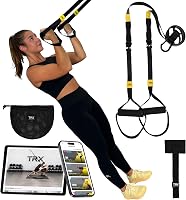
A suspension trainer offers a different way to adjust effort through body position. The TRX GO includes a suspension training strap, indoor and outdoor anchors, foam handles, and a mesh carry bag.
TRX GO still requires a secure grip and safe anchor setup. It may not suit you if holding straps or supporting your body weight aggravates your hands, shoulders, or other joints.
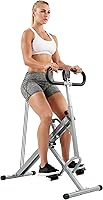
The Sunny Health & Fitness Smart Row-N-Ride Glute has pin-lock squat angle options and 3 built-in resistance bands. Its adjustable seat and handlebar provide fit options, while the movement focuses on a squat pattern rather than cable pulls.
A squat pattern may not suit painful knees, hips, or back, so don't assume the machine is a joint-friendly substitute. Ask a professional to assess the movement if you aren't sure.
If cables remain uncomfortable, compare cable machine alternatives for seniors and consider whether a different movement or equipment setup better fits your needs.
How can you build a safer session at home?
Set up the area before you start, and keep the session simple. Check the cable, handle, and anchor points, clear the floor, and keep a stable chair or support nearby if you need it.
Warm up with gentle movements that feel comfortable, then practice the exercise with little or no resistance. Keep water nearby, rest when needed, and avoid rushing between stations.
If you use a home trainer, follow its instructions for adjusting the seat, pulley, and resistance. Have another person check the setup if you cannot safely reach or adjust a part.
A functional trainer is one option for a home gym, but footprint and access matter too. Learn what a cable crossover machine is before deciding whether that style suits your space.
How should you adapt cable machine exercises for seniors with arthritis?
For cable machine exercises for seniors with arthritis, prioritize a relaxed grip, steady positioning, low starting resistance, and controlled movement. Change one part of the setup at a time, and stop if a joint hurts or symptoms worsen.
Choose a cable exercise if you can perform it with balance and control. If the grip, pull, or position remains uncomfortable, try another movement or equipment option with guidance from a health professional.
Frequently asked questions
Can seniors with arthritis use a cable machine?
Some seniors with arthritis may be able to use a cable machine, depending on their joints, symptoms, and clinician's guidance. Start with a light setting, a stable stance, and a small comfortable range.
Stop if pain increases during the movement or remains worse afterward.
What cable handle is easiest on arthritic hands?
A handle that you can hold without squeezing hard may be easier on sore hands. Try a wide, padded grip if available, or use a strap attachment only if it feels secure and doesn't pull on a painful joint.
Ask a physical therapist to help choose an option.
Should seniors with arthritis use lighter resistance?
Lighter resistance can make it easier to control the movement and avoid gripping or bracing too hard. Begin with a load that lets you move smoothly for a few repetitions, then reassess how the joint feels during and after exercise.
Don't increase resistance through pain.
What should you do if cable exercises hurt?
Stop the exercise if it causes sharp pain, numbness, or a sudden change in symptoms. Check whether your stance, grip, range, or resistance can be made more comfortable, but don't push through persistent or worsening pain.
Consult a health professional about ongoing joint symptoms.