Can a Functional Trainer Be Bad for Your Joints?
A functional trainer can feel hard on your joints when the cable angle, load, or movement range doesn't fit your body. Reduce resistance, adjust your position, and stop any movement that causes sharp or lasting pain.
On this page (8 sections)
- Can a functional trainer be bad for your joints?
- How do resistance and cable position affect joint comfort?
- How far should you move on a cable exercise?
- How can older adults adapt cable exercises for joint comfort?
- What should you do if a cable exercise hurts?
- Which equipment can support a more comfortable workout?
- How can you tell whether your setup needs an adjustment?
- What is the safest way to return after joint discomfort?
A functional trainer can feel hard on your joints when the cable angle, resistance, or range of motion doesn't suit your body. Reduce the load, adjust your position, and stop a movement that causes sharp or lasting pain.
Cable machines let you change where the cable starts and how far you move, but those options don't make every setup comfortable. The key is to keep the cable path controlled and the working range within what feels natural for you.
Can a functional trainer be bad for your joints?
A functional trainer may aggravate a joint if the setup or movement puts it in an uncomfortable position. High resistance, a cable pulling from the wrong direction, or a forced end range can make an exercise feel rough.
That doesn't mean cable training is inherently harmful. A lighter load and a shorter, controlled movement may feel better, but joint comfort varies from person to person.
For a quick introduction to the equipment, read what a functional trainer is. If you're new to using one, how to use a functional trainer explains basic setup and movement choices.
What can make a functional trainer bad for joints?
Resistance, positioning, and movement range are the main factors to check. A cable pulls along its line, so changing your distance or angle can change where you feel the effort.
- Too much resistance: You may brace, jerk, or lose control to finish a repetition.
- Poor cable angle: The pull may twist your arm or body, or draw a joint toward an awkward position.
- Forced range: Reaching, rotating, or bending farther than feels comfortable can irritate a joint.
- Rushed repetitions: Speed can make it harder to control the cable and notice discomfort early.
These are setup clues, not a diagnosis. If a movement consistently causes pain, stop and ask a qualified health professional for advice.
How do resistance and cable position affect joint comfort?
Use a load you can move smoothly, and set the pulley so the cable pulls in a comfortable direction. Your body shouldn't need to twist or lurch to keep the handle moving.
Start with less resistance than you think you need. For a sample chest and biceps functional trainer workout, keep the loads within a comfortable range.
If you can't complete a repetition with steady control, reduce the load or choose an easier movement.
Set the pulley height and your stance before starting. For a chest-height press, for example, face away from the machine and check that the cable doesn't pull your shoulder into an uncomfortable stretch.
Don't use a heavier stack just because you can move it through part of the exercise. A manageable load gives you more control over the start and finish of each repetition.
How far should you move on a cable exercise?
Move only through a range that feels controlled and comfortable. You don't have to reach the handle to the farthest possible point or stretch a joint to its limit.
Try the movement without resistance first, or with a very light load. Stop the repetition before you feel a pinch, sharp pull, or need to change your posture to keep going.
A smaller range can be a practical adjustment while you learn an exercise. If even a short range causes pain, skip that movement and seek appropriate guidance.
How can older adults adapt cable exercises for joint comfort?
Older adults can adjust cable movements with a light load, stable stance, and comfortable range. Make one change at a time so it's easier to tell whether the adjustment helps.
People managing arthritis may also find it useful to review how to adapt cable machine exercises for seniors with arthritis. If a standing cable setup feels unsuitable, compare cable machine alternatives for seniors and choose an option that fits your comfort and balance needs.
For seated or supported training, plan a push/pull weight workout for seniors using a functional trainer with simple movements and manageable resistance. For core work, see how seniors can train their core with a cable machine.
What should you do if a cable exercise hurts?
Stop if you feel sharp, sudden, or worsening joint pain. Don't try to push through it or test the painful movement repeatedly.
If the discomfort appears only with a heavy load, rest and consider whether a lighter resistance or smaller range feels comfortable later. Stop again if pain returns, and speak with a clinician if it persists or affects daily activity.
Seek urgent care for an injury with severe pain, major swelling, visible deformity, or inability to use the affected limb. A fitness article can't determine what's causing a specific symptom.
Which equipment can support a more comfortable workout?
Pick equipment based on the movement you can perform comfortably, not on how many exercises it promises. The Marcy station includes a selectorized weight stack and dual-action press arms, which can suit someone who wants several strength movements at home.
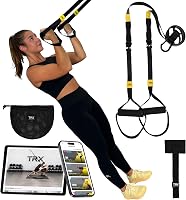
The TRX GO uses bodyweight suspension training with nylon straps and foam handles. Your body position changes the challenge, so start at an angle that lets you move without straining.
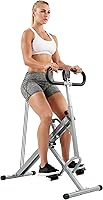
The Sunny Health & Fitness Smart Row-N-Ride Glute uses resistance bands and offers multiple squat angle positions. Its adjustable handlebar and seat can help you find a fit that feels comfortable before you begin.
No piece of equipment guarantees joint comfort. Check the movement, load, and setup you plan to use, and stop if the exercise causes pain.
How can you tell whether your setup needs an adjustment?
A comfortable setup lets you repeat the movement without jerking, twisting, or forcing the end position. If you lose control, shorten the range or reduce resistance before trying another repetition.
Use this quick check before a set:
- Set the cable height and stand where the pull feels aligned with the movement.
- Start with light resistance and perform a slow practice repetition.
- Keep your trunk steady and avoid twisting to complete the motion.
- Stop before a painful or forced end range.
- End the set if discomfort builds or your form changes.
If changing your setup doesn't make the movement comfortable, choose a different exercise. For a supported vertical pull option, see REP trainer assisted pull-ups.
Your routine doesn't need to include every cable exercise.
What is the safest way to return after joint discomfort?
Return with a lighter load and a smaller comfortable range, then increase only when movement remains controlled and pain-free. Change one factor at a time, such as resistance, cable height, or stance.
Leave room for rest between training sessions, especially after a movement has caused discomfort. If joint pain keeps returning, get professional guidance before building that exercise back into your routine.
Choose the Marcy station if you want a selectorized stack and press arms for home strength exercises. Choose TRX GO if body position is how you prefer to adjust effort, or the Sunny Row-N-Ride if you want a squat-assist movement with adjustable angles.
For any option, use a light starting effort, keep the motion comfortable, and stop at pain. Ask a health professional about persistent symptoms or exercise limits that apply to you.
Frequently asked questions
Can a functional trainer cause joint pain?
It can make a joint feel uncomfortable if the resistance is too high, the cable pulls from an awkward angle, or you move beyond a comfortable range. Lower the load, adjust your stance and cable height, and shorten the motion.
Stop if pain is sharp, worsening, or continues after the workout.
Is cable resistance easier on joints?
Cable resistance can let you adjust the direction and range of a movement, but it isn't automatically easier on joints. Comfort depends on the load, setup, exercise, and your own range of motion.
Start light, move with control, and avoid forcing a position that feels painful.
Should I keep exercising if a cable movement hurts?
Stop the movement if it causes sharp pain, joint catching, sudden weakness, or pain that grows with each repetition. You can try a lighter load or a smaller range only if the movement then feels comfortable.
Get medical advice for ongoing or severe pain.
How can older adults adapt cable exercises for joint comfort?
Older adults can begin with light resistance, a stable stance, and a short range that feels comfortable. Adjust the cable so it doesn't pull the arm or leg into an awkward position, and move slowly without twisting.
See a health professional for guidance if pain or balance concerns affect exercise.