How to Choose a Low Height Functional Trainer and Rack
Choose a low height functional trainer and rack by measuring the ceiling, the equipment's full height, and the space needed for cable travel. Confirm the rack and pulley positions fit your room and the exercises you plan to do.
On this page (9 sections)
- What makes a functional trainer and rack low height?
- How do you measure ceiling clearance?
- How much pulley travel do you need?
- How should the rack fit around the trainer?
- Which products can support a compact home gym?
- What room do cable exercises need?
- What should you check before choosing a low height trainer?
- How do you choose between a shorter frame and more cable travel?
- What is the best way to decide?
Choose a low height functional trainer and rack by measuring ceiling clearance, pulley travel, and exercise space together. The shortest frame is not automatically the best fit if the pulleys cannot reach the positions your training needs.
Measure the finished floor to the lowest obstruction above the planned location. Include beams, lights, pipes, and ceiling slopes, then compare that clearance with the equipment's assembled height and instructions.
A trainer and rack also need open space around them. You may need room to raise your arms, step away from a cable, load a bar, or move between exercises.
What makes a functional trainer and rack low height?
A low height trainer has an assembled frame that fits beneath your ceiling with enough clearance for the movements you intend to do. Check the actual height and pulley range, since “compact” can describe footprint rather than vertical clearance.
The rack and trainer may share a frame, or they may be separate pieces arranged together. In either case, measure each component at its tallest point and account for accessories that extend above the frame.
A low ceiling can limit overhead presses, pull-ups, and high cable positions even when the equipment fits in the room. For a broader look at shorter frames, see Low Ceiling Functional Trainers: Best Short Options.
How do you measure ceiling clearance?
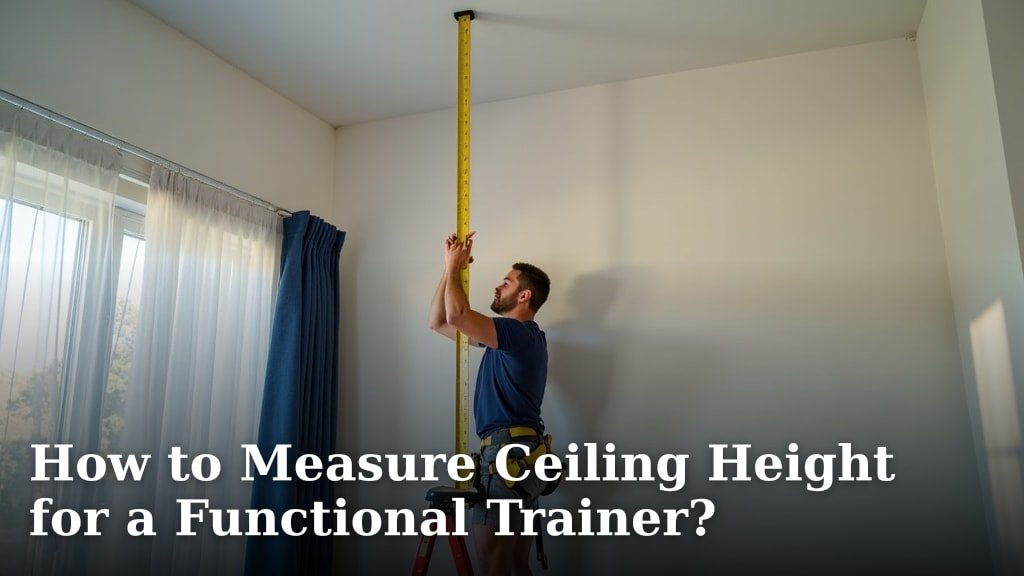
Measure the ceiling at the exact installation spot, then find the lowest point across the full equipment footprint. Use the smallest clearance measurement when a beam, sloped ceiling, or light fixture crosses the area.
Write down the floor-to-obstruction height at the front, center, and back of the planned footprint. Also measure any ceiling features that could interfere with a raised pulley, bar, or your arms.
Compare the result with the manufacturer's assembled height and required clearance. Don't assume the frame's listed height includes room for installation, movement, or overhead exercises.
If you're not sure where to start, follow our guide to How to Measure Ceiling Height for a Functional Trainer?.
How much pulley travel do you need?
Choose pulley travel based on the exercises you plan to do, not just the trainer's maximum height. The pulleys should reach a low position for movements such as cable rows and a high position for movements such as pulldowns.
Check the adjustment points and the lowest and highest pulley positions. Confirm that the cable and handles move freely through the positions you need, without striking the floor, rack, or nearby equipment.
A trainer with adjustable pulley height can support more setup options, but you still need enough clearance to use them. Compare the adjustment range in our guide to the Best Functional Trainer With Adjustable Pulley Height.
How should the rack fit around the trainer?
Position the rack so barbell work and cable work do not compete for the same space. Measure the full footprint, including the area needed to load plates and step clear of a bar.
Check the rack's height, width, depth, and upright layout against your room. If it has a pull-up bar or other overhead attachment, include that in the height measurement.
Leave room to stand in front of the pulleys and move through each exercise. A frame may fit wall to wall but still leave too little space to pull a cable safely or change sides.
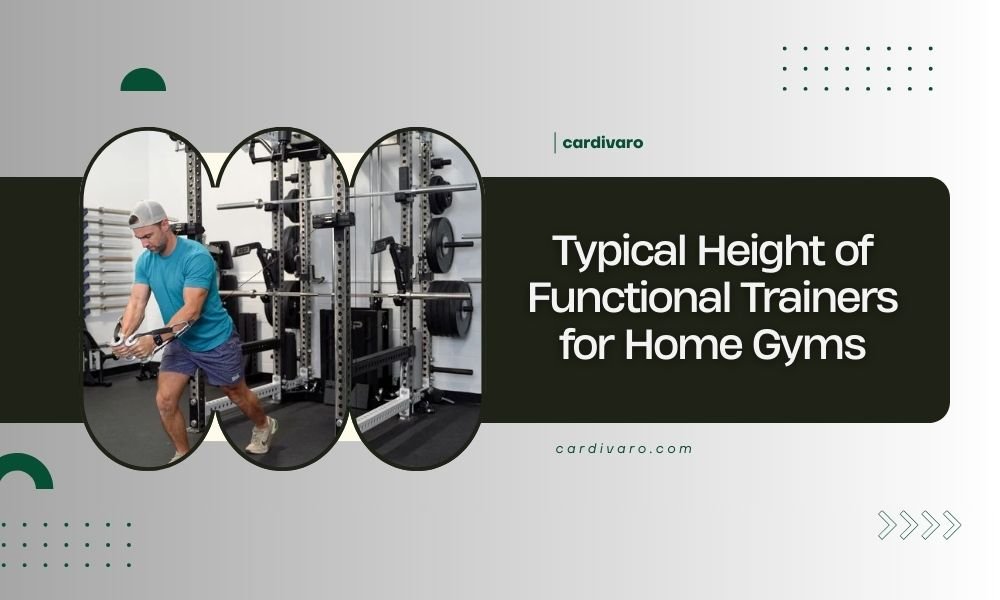
To compare the usual frame dimensions before choosing a shorter setup, read Typical Height of Functional Trainers for Home Gyms.
Which products can support a compact home gym?
These products offer ways to add training or cardio without choosing another full-height cable station. Their dimensions and intended use differ, so check how each one fits the space left after the rack and trainer are in place.
The Q1S uses magnetic resistance and has a dual slide rail. Its built-in base wheel is designed to help move it for storage, but allow space to set it up and use it.
YOSUDA describes this rower as having 16 resistance levels and a 2.9 sq ft footprint. Check the room needed to row, since the machine's footprint alone does not show the space required for a full stroke.
This option can support floor-based strength exercises without adding a tall frame. Keep room to extend the bands and move through the exercise positions you use.
What room do cable exercises need?
Cable exercises need clear space in front of the pulleys and along the direction of each pull. Plan for your body and the moving handle, not only for the cable machine's footprint.
Mark the equipment's outline on the floor with tape. Then stand where you would perform each movement and check whether you can take a step, rotate, or pull the cable without hitting a wall or another piece of equipment.
For low-impact movements that can work with cable equipment, see Best Low Impact Functional Trainer Exercises. Choose positions that fit your clearance and current ability.
What should you check before choosing a low height trainer?
Check frame height, pulley travel, rack clearance, and exercise space before comparing extra features. A measured fit for your main movements is the deciding factor.
Use this checklist:
- Measure floor-to-ceiling clearance at several points over the footprint.
- Compare the assembled height with the lowest ceiling obstruction.
- Check the pulley adjustment range and cable path.
- Measure rack width and depth, including bar-loading space.
- Mark the space needed to stand, step, and move the handles.
- Confirm that your planned exercises fit the available height and floor area.
A compact trainer may suit a room with limited ceiling height, but don't rely on its label alone. Compare the frame and pulley measurements with your own room and the exercises you want to do.
For other compact setups, compare the Best Compact Functional Trainer For Low Ceilings.
How do you choose between a shorter frame and more cable travel?
Choose the shorter frame if ceiling clearance is your main limit, provided its pulleys still cover your core exercises. Choose a wider adjustment range when you need more cable positions and have enough overhead and floor space to use them.
If the two needs conflict, list your most-used movements and check each one against the equipment's pulley positions. This turns a vague preference into a clear fit test.
Measure again after placing the rack and trainer on your floor plan. That final layout should leave room for cable movement, bar work, and safe access around the equipment.
What is the best way to decide?
Pick the lowest trainer and rack that still reaches the cable positions and exercise space you need. Start with your room measurements, compare them with the assembled equipment, and test the layout for your main movements before buying.
Choose a compact frame when the ceiling is the binding limit. Choose more pulley range when your room allows it and your training depends on low and high cable positions.
Frequently asked questions
How much ceiling clearance does a functional trainer need?
It depends on the trainer's assembled height and the movements you plan to do. Measure from the finished floor to the lowest ceiling obstruction, then compare that number with the equipment's height and the clearance its manual requires.
Test the full range of motion before you buy.
Can a low functional trainer still have useful cable travel?
Yes, but cabinet height alone doesn't show how far the pulleys move. Check the pulley adjustment range and cable path, then confirm the lowest and highest positions work for your exercises without the handles or your hands hitting the floor or ceiling.
Should I choose a rack and trainer combo or separate equipment?
A combo can use one footprint, while separate equipment can give you more choice over rack height and pulley placement. Compare total width, depth, and height, including room to load a bar and move around the cables, before deciding which arrangement fits.
What should I measure before buying a low height trainer?
Measure ceiling height at the installation spot, including beams, lights, and ductwork. Check the assembled unit's height, floor footprint, cable travel, bar clearance, and the room needed to enter and leave each exercise position.
Compare measurements with the manual before ordering.
Can rowing machines help in a small home gym?
A rower can add a separate cardio option, but it needs room for use as well as storage. The Merach Q1S is 65 inches long and 24.8 inches high, with a recommended use space of 1.6 by 5.7 feet; measure your layout before adding one.