How to Do Lying Hamstring Curls on a Functional Trainer
Set a bench in front of a low cable pulley, attach an ankle cuff, and lie face down with the cable behind you. Bend your knee to draw your heel toward your glutes, then lower slowly without lifting your hips.
On this page (7 sections)
- How do you set up a lying hamstring curl on a functional trainer tower?
- What position should your body and leg use?
- How do you perform each repetition?
- What mistakes should you avoid?
- How can you make the setup more comfortable?
- Which equipment can support a lower-body routine?
- How do you finish and reset the station?
To do a lying hamstring curl on a functional trainer tower, place a bench in front of a low pulley, secure an ankle cuff, and curl your heel toward your glutes while keeping your hips down. Use a light load first so you can check the cable path and maintain control.
The setup needs a low cable, a compatible ankle attachment, and a stable bench. If your tower uses a different layout, follow its manual and adjust the bench so the cable pulls smoothly from behind your feet.
How do you set up a lying hamstring curl on a functional trainer tower?
Set the pulley at its lowest position and align the bench with it. Put your feet toward the pulley, leaving enough room for the cable to run freely behind the bench.
Check that the bench is stable and doesn't block the cable. Keep the path clear of nearby equipment, and make sure you can get on and off the bench without stepping over a taut cable.
Attach the ankle cuff to the cable clip, then secure it around one ankle. The cuff should feel snug without pinching; check that the clip is fully closed before you lie down.
Start with a very light resistance setting. Pull the cable gently while standing beside the bench to confirm that the attachment moves freely and doesn't snag on the bench or floor.
What position should your body and leg use?
Lie face down with your hips supported and your working knee near the edge of the bench. Keep your torso relaxed and your pelvis in contact with the pad.
Bend the working knee to bring your heel toward your glutes. Stop at the point where you can keep your hips down and the movement feels comfortable.
Lower the foot slowly until your knee is nearly straight, without letting the weight stack drop. Keep the motion smooth in both directions rather than swinging your leg to move the load.
If you are training one leg at a time, place your free leg comfortably on the bench or floor. Keep it relaxed so it doesn't help lift your hips.
How do you perform each repetition?
Curl your heel toward your glutes, pause briefly, then lower under control. Keep your thigh supported and focus on bending at the knee.
- Lie face down and hold the bench edges if needed.
- Brace lightly through your midsection.
- Bend the working knee, bringing your heel upward.
- Pause when you reach a comfortable end point.
- Lower the foot slowly until the knee is almost straight.
- Repeat without bouncing or letting the cable slacken.
Use a range of motion that stays comfortable. You don't need to force your heel all the way to your glutes if doing so makes your hips lift or your back arch.
What mistakes should you avoid?
Keep your hips down and avoid using momentum. If your pelvis lifts, your lower back arches, or the cable jerks, reduce the resistance or shorten the range.
Don't rush the lowering phase. The return is part of the repetition, so resist the cable as your knee straightens.
Avoid turning your foot sharply or twisting your body to pull the cuff. Keep your leg moving in a steady line and stop if the attachment shifts or rubs.
If you feel pain, stop and check your position and load. Seek qualified guidance if discomfort continues or you aren't sure the movement is appropriate for you.
How can you make the setup more comfortable?
Adjust the bench and cuff so your knee bends freely without pressure at the joint. The bench edge should support your thigh while leaving your lower leg free to move.
If the cuff slides, pause and refit it before continuing. Don't tighten it so much that it pinches or causes numbness.
Cable hamstring curls are one option among several lower-body movements. See our Best Functional Trainer For Lower Body Workouts for more ways to use a cable station.
For other cable variations, compare leg curls on a functional trainer and top functional trainer hamstring exercises.
Which equipment can support a lower-body routine?
Choose equipment based on the movements you plan to do and the space you have. These options serve different purposes, so check whether each fits your training setup before choosing.
A home gym with a leg station may suit someone who wants more than cable curls. The Marcy Multifunction Home Gym Workout Station has a leg developer and a 150 lb selectorized weight stack.
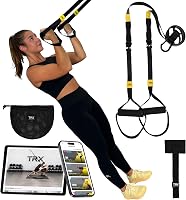
A suspension trainer can add bodyweight exercises alongside cable work. The TRX GO includes a suspension strap, indoor and outdoor anchors, and a mesh carry bag.
For squat-focused work, the Sunny Health & Fitness Smart Row-N-Ride Glute has adjustable squat angle positions and 3 built-in resistance bands.
Explore functional trainers for building glutes and functional trainers for glute activation if you are planning a broader lower-body session. For a different cable movement, see how to do squats on a Spirit functional trainer.
How do you finish and reset the station?
Unclip the ankle cuff only after the cable is slack and the weight stack is resting. Sit or stand up carefully, then remove the cuff and return the attachment to storage.
Before your next set, check the bench position, cuff closure, and cable route again. If anything shifted during the exercise, reset it before adding resistance.
For a lying hamstring curl on a functional trainer tower, prioritize a stable bench, a secure ankle cuff, and controlled knee movement. Use the lowest resistance that lets you keep your hips down, then add load only when every repetition stays smooth.
Frequently asked questions
Can you do lying hamstring curls on a functional trainer?
Yes, if the trainer has a low pulley, a compatible ankle cuff, and enough clear floor space for a bench. Position the bench so the cable pulls from behind your feet, then use a light load to check the path before adding resistance.
Where should the bench go for a cable hamstring curl?
Place the bench in line with the low pulley, with your feet toward the cable and enough room to lie flat. The cable should remain clear of the bench and your body, and the cuff should pull smoothly as you bend and straighten your knee.
What attachment do you need for a lying cable leg curl?
Use an ankle cuff or ankle strap that securely connects to the trainer's low pulley. Check that its closure fits snugly around your ankle without pinching, and confirm the cable clip is closed before starting.
How heavy should a lying cable hamstring curl be?
Start with a light setting that lets you move through a comfortable range without swinging, arching your back, or lifting your hips. Add resistance only when you can control both the curl and the return, and stop if the movement causes pain.