How to Do Squats on a Spirit Functional Trainer
Squats on a Spirit functional trainer work best with matched low pulleys, secure handles, and a light starting load. Face the machine, hold the handles near your shoulders or sides, and squat only as far as you can keep your feet planted and your balance steady.
On this page (10 sections)
- How do you set up squats on a Spirit functional trainer?
- Where should the cables and handles sit?
- How do you perform the squat?
- How much resistance and how many reps should you use?
- What should you check before each set?
- What mistakes make cable squats harder to control?
- Which equipment suits your home squat routine?
- Can cable squats help build your glutes?
- When should you stop or change the setup?
- How should you choose squats on a Spirit functional trainer?
Squats on a Spirit functional trainer are easiest to control when both pulleys are set low, the attachments match, and the resistance stays light enough for steady reps. Face the machine, hold the handles near your shoulders or sides, and keep your feet planted as you squat.
A cable adds a forward pull, so start with a comfortable range and check your balance before adding resistance. Spirit models can differ; use your machine's manual for pulley adjustments, compatible attachments, and safe weight changes.
How do you set up squats on a Spirit functional trainer?
Set both pulleys at the same low height and attach matching handles for a balanced starting setup. Before selecting a working load, test the cable path and make sure the cables, handles, and weight stacks move freely.
- Clear the floor in front of the trainer.
- Set both pulleys to the same low position while the machine is unloaded.
- Attach one handle to each cable, or use a bar only if your trainer supports it.
- Select a light resistance on each side.
- Face the machine and hold the handles near your shoulders or at your sides.
- Step back until the cables are taut, then check that both sides feel even.
Keep your hands clear of moving pulleys and weight stacks while adjusting them. Don't cross the cables or pull one across your body.
If your Spirit trainer uses a different pulley or attachment system, follow its manual. For other cable squat setups and variations, see Can You Do Squats on a Functional Trainer?.
Where should the cables and handles sit?
Low pulleys are a practical starting point, while your hand position should let you stay upright and balanced. For other cable shoulder exercises, see shoulder workouts on a TAG trainer.
Hold the handles high enough to keep your chest comfortable and make sure the cables don't rub your arms or block your knees.
For a shoulder-height hold, bend your elbows and keep your hands near the front of your shoulders. For a hold at your sides, let your arms hang naturally without shrugging to support the load.
The cable angle changes as you squat. For another movement that uses adjustable cable positioning, see the incline chest fly guide.
Try a shallow rep first and check that neither cable catches on the frame or pulls a handle out of your grip.
Should you use one cable or two for squats on a Spirit trainer?
Use two cables with matching resistance when you want an even pull from both sides. One cable can pull your torso off center, so it suits a variation only if you can keep a stable stance and use a light load.
Keep a single cable in front of your body and avoid twisting to follow it. If you need to shift your feet or brace against the machine to stay upright, stop and reset with less resistance.
How do you perform the squat?
Lower your hips while keeping your whole foot in contact with the floor. Stop at a depth you can control without your heels lifting or the cable pulling you forward.
- Stand with your feet about shoulder width apart, or slightly wider if that feels natural.
- Brace your midsection and keep your chest steady.
- Bend your hips and knees together as you lower.
- Keep your knees pointing in the same direction as your toes.
- Press through your feet to stand without snapping your knees straight.
- Let the cable return under control before the next rep.
Move smoothly. If the weight stack bangs, your posture changes, or you need to jerk the handles, lower the resistance.
A functional trainer can support several lower-body movements in one setup. Compare machine options in Best Functional Trainer for Lower Body Workouts.
How much resistance and how many reps should you use?
Choose a resistance that lets you repeat the same controlled movement from start to finish. The load should challenge your legs without taking away your balance or making you rush through the lowering phase.
Begin with a bodyweight squat if you’re new to the movement. Then select the lightest practical cable resistance and check that you can squat and stand without leaning back or being pulled forward.
Add resistance in small steps only after your setup and control are consistent. There’s no required rep count for everyone; end the set when your form starts to change.
How can you progress cable squats safely?
Build consistency before increasing the load or depth. When each rep stays smooth, change one thing at a time, such as adding a small amount of resistance or lowering a little farther.
Keep a simple note of the pulley position, handle position, resistance, and the range you can control. That makes it easier to repeat a useful setup and notice when a change makes the movement less stable.
What should you check before each set?
Check the attachments, cable path, footing, and selected resistance before you squat. The handles should be secure, the floor clear, and both sides should feel even during a shallow test rep.
Stand far enough from the machine that the cables don't go slack at the top. Don't step so far away that the cables pull you forward before you begin.
Wear shoes that let you plant your feet securely. Keep loose clothing and cords away from moving parts, and learn the trainer's adjustment points and safety instructions before loading it.
What mistakes make cable squats harder to control?
Uneven resistance, excessive load, slack cables, and poor positioning are common reasons a cable squat feels unstable. Correct the setup instead of forcing a rep that pulls you out of position.
- If one side pulls harder, confirm the settings match and reduce the load.
- If the cables go slack, step back slightly and retest the top position.
- If the handles pull you forward, lighten the resistance or shorten your range.
- If your knees move inward, reduce the load and reset your stance.
- If your heels rise, adjust your foot position and use a range you can control.
Don't use the cable to pull yourself upright. If standing requires a sharp tug, the load is too high or your position needs to change.
Which equipment suits your home squat routine?
Choose equipment based on the movement you want, the space you have, and whether you need cable resistance or bodyweight support. Older adults comparing those options can also review cable alternatives for seniors.
These alternatives work differently from a Spirit cable station, so check that each machine fits the exercises you plan to do.
Is the Marcy home gym a fit for varied strength training?
The Marcy Multifunction Home Gym Workout Station suits someone who wants several strength stations in one home setup. It has a 150 lb selectorized stack, arm and leg stations, and dual-action press arms for chest press and vertical butterfly movements.
Skip it if you specifically need adjustable pulley height for cable squats on a Spirit trainer. It's a separate home gym system, and its listed functions don't mean it duplicates a Spirit trainer's setup.
Is the TRX GO useful for bodyweight squat practice?
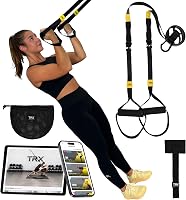
The TRX GO Suspension Trainer suits people who want portable suspension straps for bodyweight training. Its strap system can support assisted squat variations when anchored and used according to its instructions.
Skip it if you need selectable cable resistance or a fixed machine station. The straps use your body position to change the challenge, so they don't provide the same setup as a cable squat.
Does the Sunny Row-N-Ride suit squat-focused workouts?
The Sunny Health & Fitness Smart Row-N-Ride Glute suits someone who wants a dedicated squat-assist motion with adjustable angles. It has pin-lock positions, three built-in resistance bands, an adjustable handlebar and seat, and a foldable frame.
Skip it if you want a general-purpose dual cable trainer. Its squat-style movement and resistance bands serve a different role from adjustable pulleys and cable handles.
For a general dual-cable alternative, compare Mikolo cable crossover machines.
Can cable squats help build your glutes?
Cable squats work the glutes along with the quads and other muscles that help extend your hips and knees. Stance, depth, resistance, and control change how the movement feels, so don't treat one setup as an isolated glute exercise.
For more glute-focused movements, see Best Functional Trainer for Building Glutes. A lying hamstring curl on a functional trainer tower adds a different lower-body movement when your tower and attachments support it.
You can also compare trainer options for glute-focused routines in Best Functional Trainer for Glute Activation. Use a load and range that let you move without pain or loss of balance.
When should you stop or change the setup?
Stop if you feel sharp pain, dizziness, or an unexpected pull you can't control. Read about trainer and joint comfort for more on joint comfort and training.
Set the handles down safely, reduce the resistance, and review the machine instructions before trying again.
Don't continue if a cable rubs the frame, an attachment shifts, or the stack moves unevenly. Check for an adjustment issue or contact the manufacturer if the equipment appears damaged.
How should you choose squats on a Spirit functional trainer?
Choose two low pulleys and matching handles if you want a balanced cable squat; use one cable only if you can stay centered and stable. Start light, keep each rep controlled, and increase resistance only when your stance and cable path remain steady.
A Spirit trainer is the right fit when you want to squat with cable resistance and can set up its pulleys safely. For a rack-and-cable combination, compare functional trainers with a squat rack combo.
Frequently asked questions
How do you set up squats on a Spirit functional trainer?
Set both pulleys at the same low position and attach matching handles, or a bar if your trainer supports it. Face the machine, hold the attachment near your shoulders or sides, then step back until the cables are taut.
Test a shallow squat and confirm that both sides pull evenly.
What cable height is best for squats on a functional trainer?
A low pulley position is a useful starting point for cable squats. It lets the resistance pull from below while you hold the handles near your shoulders or sides.
Follow your Spirit trainer's manual for pulley adjustments and compatible attachments, then choose a position with a clear cable path.
Can you do squats on a functional trainer with one cable?
Yes. A single low cable can add resistance to a squat variation if your stance and attachment let you stay balanced.
Start light, keep the cable in front of you, and stop if it pulls you sideways.
Use two cables when you want a more even pull.
Should you lean back during a cable squat?
Don't lean back to counter a load that feels too heavy. Reduce the resistance and keep your torso braced with your weight balanced over your feet.
A slight forward torso angle can be part of a squat, but the cable should not pull you into an awkward position.