Why Is My Cable Machine Handle Sticking?
On this page (11 sections)
- Troubleshooting Your Sticking Cable Machine Handle
- Dirt and Debris: The Silent Workout Killer
- Wear and Tear on the Cable Sheathing
- Dry or Stiff Pulleys and Bearings
- Improper Cable Tension
- Bent or Damaged Guide Rods
- Checking the Handle and Attachments
- A Quick Checklist for a Smooth Workout
- When to Call a Professional
- Conclusion
- Frequently Asked Questions
Your cable machine handle might be sticking because of a few common issues, most often related to dirt, grime, or wear and tear on the cable itself or its pulleys. This can make your workout feel clunky and even unsafe if the cable movement is jerky.
When your cable machine handle doesn’t move smoothly, it can be really frustrating. It affects your workout flow and can make you wonder if something is seriously wrong. We found that the most frequent culprits are usually quite simple to fix with a little attention to the machine’s moving parts and general cleanliness.
- Dirt and grime build-up on cables and pulleys.
- Worn-out or damaged cable sheathing.
- Dry or stiff pulleys and bearings.
- Improper cable tension.
- Bent or damaged guide rods.
Let’s break down exactly why your cable machine handle might be sticking and what you can do to get it moving smoothly again.
Troubleshooting Your Sticking Cable Machine Handle
It’s super annoying when your cable machine handle sticks. You’re trying to get a good workout, and suddenly, the movement is jerky. This can really mess with your form and even make you feel unsafe. Don’t worry, though! Most of the time, a sticking handle is due to simple issues you can fix yourself.
Dirt and Debris: The Silent Workout Killer
Think of your cable machine like any other piece of equipment. It needs a little care. Dirt, dust, and sweat can build up over time. This grime can get into the moving parts, causing friction. This is a common reason your handle might feel stiff or sticky. It’s like trying to slide on a sandy floor – it just doesn’t move freely.
Cleaning the Cable Itself
The cable is the main highway for your handle. If it’s dirty, everything slows down. You might notice little specks or a dull coating on the cable. This is the build-up we’re talking about. It’s especially common if you train in a dusty gym or haven’t cleaned your equipment regularly.
What to do: Grab a clean, dry cloth. Gently wipe down the entire length of the cable. You can use a bit of mild soap and water if it’s really grimy, but make sure to dry it thoroughly afterward. A little bit of lubricant designed for fitness equipment can also help keep it smooth.
Checking the Pulleys
Your cable runs through several pulleys. These little wheels are vital for smooth operation. If the pulleys themselves are dirty or have debris stuck in them, they won’t spin freely. This will make the cable snag and your handle stick. Imagine a shopping cart with a pebble stuck in one of its wheels – it’s going to be a bumpy ride!
What to do: Inspect each pulley. Look for any visible dirt, lint, or small objects lodged in the groove or around the bearings. Use a small brush, like an old toothbrush, to dislodge any debris. A quick wipe with a damp cloth, followed by a dry one, should do the trick. Make sure the pulleys can spin freely by hand after cleaning.
Wear and Tear on the Cable Sheathing
Most cables have a protective coating, often called sheathing. This is usually made of plastic or rubber. Over time, this sheathing can get worn, frayed, or even cracked. When the sheathing is damaged, the metal cable underneath can become exposed. This can cause friction against the pulleys or guide rods, leading to that sticking sensation.
Inspect the Sheathing Carefully: Run your fingers gently along the cable. Look for any signs of damage. Are there any rough patches? Is the coating peeling away? Are there any nicks or cuts?
What to do: If the sheathing is only slightly frayed, you might be able to clean and lubricate the cable to improve movement temporarily. However, if the damage is significant, especially if the metal cable is exposed, it’s a If the sheathing is only slightly frayed, you might be able to clean and lubricate the cable to improve movement temporarily.safety concern. Damaged cables can break. You’ll likely need to have the cable replaced by a professional.
Dry or Stiff Pulleys and Bearings
Pulleys aren’t just simple wheels; they have bearings that allow them to rotate smoothly and quietly. If these bearings dry out or become stiff, the pulley won’t spin as it should. This causes resistance, and your handle will feel like it’s dragging or sticking. It’s similar to a door hinge that needs a bit of oil.
Lubrication is Key
Proper lubrication is often the hero your cable machine needs. It reduces friction and allows those bearings to do their job effectively. Without it, metal-on-metal contact can increase, leading to sticking and wear.
What to do: Use a high-quality lubricant specifically designed for fitness equipment or a general-purpose lubricant like WD-40 (though exercise equipment-specific lubes are often preferred). Apply a small amount directly to the pulley bearings. Let it soak in for a few minutes. Then, rotate the pulley several times to distribute the lubricant. Wipe away any excess.
How Often Should You Lubricate?
This depends on how often you use the machine and the gym environment. A good rule of thumb is to check and lubricate every 1-3 months. If you notice the pulleys aren’t spinning freely or hear squeaking, it’s time for some lubrication. Many gym maintenance guidelines suggest monthly checks.
Improper Cable Tension
The tension on your cable matters more than you might think. If the cable is too loose, it can sometimes snag or get caught. If it’s too tight, it can put excessive strain on the pulleys and bearings, leading to resistance and a sticky feel.
What is the Right Tension? The cable should be taut but not overly stretched. When you pull it slightly, there should be a little give, but it shouldn’t sag significantly. Many experts suggest a tension where the cable has about 1-2 inches of play.
What to do: Check your machine’s manual to see how to adjust the cable tension. It often involves tightening or loosening specific bolts or mechanisms. Make sure the tension is consistent across all settings. If you’re unsure, it might be best to consult a gym technician. Check your machine’s manual to see how to adjust the cable tension.
Bent or Damaged Guide Rods
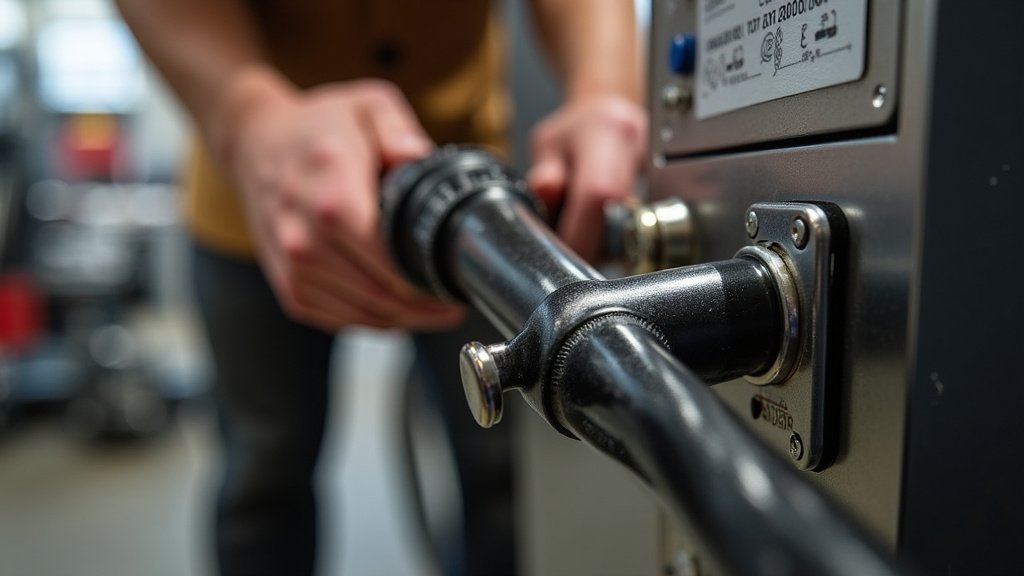
On some cable machines, especially selectorized ones, guide rods help keep the weight stack moving smoothly. If these rods are bent, dented, or dirty, they can impede the movement of the weight plates. This resistance can transfer back up the cable, making your handle feel like it’s sticking. It’s like trying to push a stack of crooked books – they just don’t slide right.
What to look for: Visually inspect the guide rods. Are they perfectly straight? Is there any damage to their surface? Are they clean?
What to do: If the rods are dirty, clean them with a dry cloth. If you notice any bending or significant damage, this is a serious issue that needs professional attention. Bent rods can cause further damage to the weight stack and other components. A gym might need to replace the entire weight stack or individual rods.
Checking the Handle and Attachments
Sometimes, the problem isn’t with the cable or pulleys at all! The handle itself, or the attachment point where it connects to the cable, could be the culprit. If the swivel mechanism on the handle is stiff or if there’s damage to the carabiner or clip, it can cause the cable to twist and bind.
What to do: Detach the handle from the cable. Spin the handle itself to see if it moves freely. Check the swivel point for any visible damage or stiffness. For help assessing a bent handle, see this guide. If the handle is sticky, a bit of lubricant might help. If the damage is severe, consider using a different handle attachment.
A Quick Checklist for a Smooth Workout
To keep your cable machine running like a dream, here’s a handy checklist:
- Cleanliness is Key: Regularly wipe down cables, pulleys, and guide rods.
- Lubricate Pulleys: Apply lubricant to pulley bearings every few months.
- Inspect Cables: Check for wear and tear on the cable sheathing.
- Check Handle Swivel: Ensure your handle attachment moves freely.
- Verify Tension: Make sure the cable tension is set correctly.
- Examine Weight Stack: Ensure guide rods are straight and clean.
When to Call a Professional
While many cable machine issues are simple fixes, some problems require expert help. If you notice significant damage to the cable itself, bent guide rods, or if the machine continues to stick after you’ve tried basic maintenance, it’s time to call in the pros. Gym equipment is designed for heavy use, and improper repairs can be dangerous. Many fitness centers have maintenance staff who can address these issues quickly and safely.
Conclusion
Your cable machine handle sticking doesn’t have to derail your entire workout. We’ve found that most sticking issues stem from simple problems like dirt, lack of lubrication, or minor wear and tear. By regularly cleaning the cables and pulleys, checking for sheathing damage, and ensuring proper lubrication and tension, you can keep your machine running smoothly. Don’t let a sticky handle become a persistent annoyance. Take a few minutes to perform this basic maintenance after your next session, and enjoy a more fluid workout!
Frequently Asked Questions
How often should I lubricate my cable machine pulleys?
You should aim to lubricate your cable machine pulleys every 1 to 3 months. If you notice squeaking sounds or stiffness, it’s a clear sign they need lubrication sooner. Regular checks prevent further wear and tear.
Can I use regular household lubricant on my cable machine?
While some household lubricants might work in a pinch, it’s best to use a high-quality lubricant specifically designed for fitness equipment. These are formulated to work well with the materials and mechanisms found in gym machines and won’t attract excessive dust.
What should I do if the cable sheathing is frayed?
If the cable sheathing is only slightly frayed, cleaning and light lubrication might temporarily improve movement. However, significant fraying or exposed metal wires indicate a safety hazard. You should have the cable replaced by a professional to prevent potential breakage during use.
Is it normal for the cable to feel stiff when I first start using the machine?
Yes, a little stiffness can be normal, especially if the machine hasn’t been used recently or if it’s in a cooler environment. However, if the stiffness persists or worsens throughout your workout, it points to one of the issues discussed, like dirt build-up or dry pulleys.
What if the sticking only happens at certain points in the cable’s path?
If the sticking is inconsistent and occurs at specific points, it often means there’s a localized issue. This could be a damaged spot on the cable sheathing, a debris-filled pulley at that specific height, or a bent guide rod if it’s a selectorized machine. Inspect these areas closely.


