How to Train Your Core with Dumbbells at Home
A core workout at home with dumbbells should combine bracing, carrying, pressing, and controlled trunk movement. Start with a weight you can control, keep your ribs stacked over your hips, and progress slowly.
On this page (6 sections)
- How do you build a core workout at home with dumbbells?
- What are the best dumbbell exercises for core control?
- How should you progress dumbbell core exercises?
- How do you keep your form safe during a dumbbell core workout?
- Can you combine dumbbell core exercises with a full workout?
- What is the simplest dumbbell core plan for beginners?
A core workout at home with dumbbells works best when you train your trunk to resist movement, not just perform repeated crunches. Use controlled exercises such as dead bugs, suitcase carries, side planks, and loaded marches, then build difficulty as your form improves.
You don't need a large home gym. A clear floor, one or two dumbbells, and enough space to walk several steps can support a useful routine.
How do you build a core workout at home with dumbbells?
Build your routine around bracing, anti-rotation, side-to-side control, and loaded movement. Perform 2 or 3 rounds, resting as needed while you keep your posture steady.
- Dumbbell dead bug: 6 to 8 reps per side.
- Suitcase carry: 20 to 30 steps per side.
- Plank dumbbell drag: 6 to 8 drags per side.
- Half-kneeling dumbbell press: 8 to 10 reps per side.
- Side plank: 15 to 30 seconds per side.
Use a light load at first. The goal is to keep your pelvis, ribs, and shoulders controlled rather than finish with a heavier dumbbell.
For a wider home session, pair this routine with a full body dumbbell workout at home. Keep the core exercises early enough in the workout that fatigue doesn't change your form.
Which dumbbell should you use first?
Choose a fixed 5 lb or 7 lb pair for simple, light resistance, or use an adjustable pair if you want to change the load between exercises. Your best starting weight is the one that lets you brace without holding your breath or twisting.
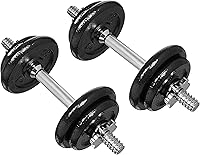
The Yes4All pair has a cast iron core with a neoprene coating and flat-sided heads. Its clear 5 lb marking can make it easier to identify during a circuit.
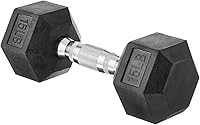
This pair uses a solid cast iron core with a textured neoprene coating and an anti-roll hex design. The clear 7 lb marking helps distinguish it during exercise changes.
What are the best dumbbell exercises for core control?
The best dumbbell exercises for core control are those that make you resist unwanted movement while your arms or legs work. Start with the exercises below and stop each set when your trunk position changes.
How do you perform a dumbbell dead bug?
A dumbbell dead bug trains bracing while your arms and legs move. Lie on your back with your hips and knees bent, hold one dumbbell above your chest, and keep your lower back gently connected to the floor.
Slowly lower the opposite arm and leg without letting your ribs lift. Return to the start, switch sides, and breathe out during the lowering phase.
Use no weight if the position is new. Add a light dumbbell only when you can keep your pelvis still through every rep.
How does a suitcase carry train the core?
A suitcase carry trains your side body to resist leaning. Hold one dumbbell at your side, stand tall, keep your shoulders level, and walk slowly for a short distance.
Switch hands and repeat. Keep the dumbbell close to your leg, look forward, and avoid bending toward or away from the weight.
Use a clear path at home. If space is limited, march in place while keeping your torso upright.
How do you perform a plank dumbbell drag?
A plank dumbbell drag challenges anti-rotation. Place a dumbbell beside one hand, set up in a high plank, widen your feet slightly, and drag the weight across the floor with the opposite hand.
Keep your hips as still as possible. Move slowly and use a lighter dumbbell if your shoulders shift or your lower back arches.
This exercise may be too demanding for a new trainee. Start with a stationary plank or a raised plank with your hands on a stable surface.
How does a half-kneeling press train the core?
A half-kneeling press trains your trunk while one arm moves overhead. Kneel with one foot forward, squeeze the glute of the kneeling leg, and hold the dumbbell at shoulder height.
Press without leaning away from the weight. For direct arm work, try these dumbbell triceps exercises.
Keep your ribs down, then lower the dumbbell with control before changing sides.
Use a light load until you can keep your hips square. This exercise also requires shoulder control, so stop if the movement causes pain.
How should you progress dumbbell core exercises?
Progress dumbbell core exercises by changing one variable at a time. Add a few controlled reps, extend a carry slightly, slow the lowering phase, or increase the dumbbell only after your form stays consistent.
Adjustable dumbbells can simplify progression because you can use lighter resistance for dead bugs and heavier resistance for carries or presses. The Dumbbells: The Complete Buying Guide explains how fixed and adjustable options differ for a home setup.
The PowerBlock Elite EXP 90 is a pair of adjustable dumbbells measuring 12 in L x 7 in W x 7 in H. It replaces 16 traditional dumbbell pairs and uses a magnetic polypropylene pin.
It can expand to 70 lb or 90 lb per hand with separate Stage 2 and Stage 3 kits.
The compact design can suit a small home gym, apartment, dorm, or hotel room. Its powder-coat painted steel construction and polypropylene and steel handles also mean you should set it down with care and keep the adjustment area clear.
How do you keep your form safe during a dumbbell core workout?
Keep your ribs stacked over your hips, breathe steadily, and move slowly. A core exercise should feel controlled through your trunk, not like a race to complete reps.
Use a stable floor and remove obstacles before carries or marches. For floor exercises, check that the surface gives you enough room to extend your arms and legs without hitting furniture.
Don't force range of motion. Reduce the weight, shorten the distance, or choose a simpler variation if you twist, arch, shrug, or hold your breath.
Avoid adding a dumbbell to a movement just because it looks harder. The load should support the training goal, not make you compensate with your neck, back, or hips.
Can you combine dumbbell core exercises with a full workout?
Yes. Add 2 or 3 core exercises to a strength session, or use the routine above as a short standalone workout.
Compound movements such as squats, lunges, rows, and presses also ask your trunk to stabilize. Learn how dumbbells build muscle as you plan strength work around them.
The guide to compound dumbbell exercises full body can help you combine core-demanding strength movements with a broader session. If you're new to dumbbell training, start with this beginner dumbbell workout plan and add core work gradually.
A functional trainer is another option when you want cable-based resistance. Compare Top Functional Trainer Core Exercises and the Best Functional Trainer For Core Workouts if your home gym has room for that equipment.
What is the simplest dumbbell core plan for beginners?
The simplest plan is 2 rounds of dead bugs, suitcase carries, and half-kneeling presses, with a light weight and full control. Rest between exercises and stop before your posture changes.
Choose the 5 lb Yes4All pair for manageable beginner resistance, the 7 lb pair when that load feels controlled, or the PowerBlock pair if you want more adjustment options as your training develops.
For a core workout at home with dumbbells, pick the load that lets you brace, breathe, and move without twisting. Increase only one challenge at a time, and use a bodyweight variation whenever the dumbbell makes your form less stable.
Frequently asked questions
Can dumbbells build your core at home?
Yes. Dumbbells add resistance to exercises that make your trunk brace, rotate, resist movement, or transfer force between your upper and lower body.
Use controlled reps with steady breathing, and choose a load that lets you keep your back and ribs in a stable position.
What dumbbell weight should beginners use for core exercises?
Start with a light dumbbell that allows smooth movement and firm trunk control. A 5 lb or 7 lb pair can suit beginner-friendly exercises, while adjustable dumbbells let you change the load as your control improves.
The right weight depends on the exercise, not only your general strength.
How often should you do a dumbbell core workout?
Train your core 2 or 3 times per week, leaving time between challenging sessions. Keep the first workouts short and focus on form.
If your back, neck, or hips hurt during an exercise, stop and review your position before trying a lighter variation.
Are dumbbell exercises enough for a complete core workout?
Dumbbells can cover bracing, anti-rotation, loaded carries, and controlled trunk movement, but a complete plan can also include bodyweight exercises. Combine both approaches in a body weight and dumbbell workout plan when you want more variety.