How to Choose a Dumbbell Set and Bench
Choose a dumbbell set and bench by matching the bench capacity, available space and weight range to your workouts. Check the heaviest dumbbell you need, the bench's adjustment options and how the pair will be stored before buying.
On this page (9 sections)
- What should you check first when choosing a dumbbell set and bench?
- How much weight should your dumbbell set include?
- How do you choose the right bench capacity?
- How much room does a dumbbell set and bench need?
- Which dumbbell options fit different training needs?
- Are adjustable dumbbells and bench sets better for a small room?
- How should you use and care for the equipment?
- What is the simplest buying decision?
- FAQ
Choose a dumbbell set and bench by matching the bench capacity, available space and weight range to your workouts. A good pairing gives you enough load for presses, rows and leg exercises while keeping the bench stable and the weights easy to reach.
Start by listing the exercises you plan to do. Then measure the space around the bench, decide how much weight you need now, and leave room for the next step in your training.
If you are still deciding whether weights fit your routine, compare dumbbells vs bodyweight exercises before buying equipment.
What should you check first when choosing a dumbbell set and bench?
Check weight range, bench capacity and room size first. These three details decide whether the equipment fits your workouts and your home gym.
A bench and dumbbell set work as a system, even when they are sold separately. Dumbbells are one kind of free weight used for resistance training.
The dumbbells must cover your exercises, while the bench must give you a stable surface for supported movements.
Use this order when comparing options:
- Write down your main exercises.
- Estimate the lightest and heaviest dumbbells you need.
- Check the bench's maximum supported load.
- Measure the open floor area around the bench.
- Plan where the dumbbells will go between sets.
- Compare fixed and adjustable designs.
The right choice is not always the largest set. Extra weights take more room, cost more and can make storage harder if you only use a narrow range.
How much weight should your dumbbell set include?
Choose a set that includes the lightest weight needed for controlled isolation work and the heaviest weight needed for your main compound exercises. You may need lighter dumbbells for raises and heavier ones for rows, presses or squats.
Your starting point depends on the movement, not just your overall strength. A weight that feels manageable for a two-arm press may be too heavy for a shoulder raise.
Think about your next few months of training. If you expect to get stronger, a set with several levels can reduce the need to replace the first pair quickly.
A mixed collection can also work well. You might use lighter dumbbells for warm-ups and smaller muscle groups, then move to heavier dumbbells for chest, back and leg exercises.
The dumbbells complete buying guide explains how to compare weight levels, shapes and materials before you build a set.
What do fixed dumbbells offer?
Fixed dumbbells are ready to lift, so you can move from one exercise to another without changing plates or settings. They suit workouts where quick transitions matter and you have enough space for several pairs.
Hex-shaped ends can help with storage because they keep the dumbbells from rolling away. A printed weight number or color coding can also make it easier to select the right pair during a busy session.
The trade-off is storage. Each added weight level needs its own place, and a complete range can take more floor or rack space than one adjustable pair.
When do adjustable dumbbells make more sense?
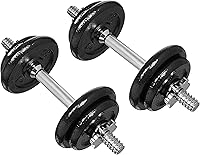
Adjustable dumbbells can suit a small room because one pair can cover several weight levels. They are useful when you want to progress without storing many separate pairs.
The main trade-off is setup. You may need to change the weight between exercises, and the dumbbell may feel different from a fixed model depending on its adjustment design.
Compare the full range, adjustment steps and storage footprint. Do not choose only by the heaviest number, because your most common training weights matter more in daily use.
For a direct comparison, read adjustable dumbbells vs fixed.
How do you choose the right bench capacity?
Choose a bench whose maximum supported load exceeds your body weight plus the dumbbells you will lift. This gives you a clear safety margin for the exercises you plan to perform.
For example, if you weigh 180 lb and use two 50 lb dumbbells, the bench needs to support at least 280 lb for that movement. Check the manufacturer's stated capacity and use the same units when comparing models.
Capacity is only one part of the decision. The bench should also match your exercises, room and preferred position.
Look for these details:
- Flat or adjustable back support
- Seat adjustment, if included
- Pad width and length
- Foot placement during presses
- Base size and stability
- Folded size, if storage matters
- Clearance around the bench
A flat bench may suit presses, rows and step-up variations. If you want to train incline curls without one, see these incline curl alternatives.
An adjustable bench can offer more positions for incline work, but it may take more space and have more parts to keep clear.
If the bench is part of a functional trainer setup, compare options in the Best Adjustable Weight Bench For Functional Trainer guide.
How much room does a dumbbell set and bench need?
Plan for the bench footprint plus the space needed to lift, walk and place the dumbbells. A bench that fits when empty may feel cramped once you lie down, sit up or move weights into position.
Measure the open area, not only the wall-to-wall dimensions. Mark the bench on the floor with tape, then add space for your elbows, feet and dumbbells.
Keep the main walkway clear. Dumbbells on the floor can become a trip hazard, especially when their shape or color makes them hard to see.
Storage also needs planning. Fixed dumbbells should sit on a stable surface or rack where the weight labels remain visible.
Adjustable dumbbells need a dedicated place for the pair and any parts used during adjustments.
A small room may favor adjustable dumbbells and a compact bench. A larger room can make fixed pairs easier to use because you can keep several weights within reach.
Which dumbbell options fit different training needs?
The best option depends on how you train, how much space you have and whether you need a pair or a single weight. The products below cover lighter paired work and heavier individual dumbbell training.
Amazon Basics Neoprene Dumbbell Hand Weights
These navy blue neoprene hand weights come as a set of 2 10 lb dumbbells for exercise and strength training. The neoprene coating provides a textured grip, while the hexagon-shaped ends help keep them from rolling during storage.
The printed weight number and color coding can make selection easier when several pairs are stored together. The pair format also suits exercises where you need equal weight in both hands.
These dumbbells are a practical match for a flat or adjustable bench when 10 lb per hand fits the movement. They may suit presses, fly variations and lighter accessory work, but they are not a complete solution if your plan requires much heavier loading.
Keep them on a stable surface after use. The hexagon ends help with stay-in-place storage, so you do not need to chase a rolling dumbbell across the room.
Amazon Basics Rubber Hex Dumbbell Hand Weight, 15 Pounds
This black rubber hex dumbbell is a 15 lb individual weight with a contoured handle and textured, non-slip grip. Its solid cast iron core and rubber-encased head suit resistance training for the arms, chest, back, core and legs.
Because this is one dumbbell rather than a pair, check whether you need one-sided exercises or two matching weights. For presses, rows and other two-arm movements, you would need to plan around the number of dumbbells required.
The 12 in length and 4.5 in width also matter when you place it beside a bench or store it on a rack. Leave enough clearance to grip the handle without hitting nearby weights.
This weight can bridge the gap between lighter hand weights and heavier training loads. It may suit a home gym that adds individual dumbbells over time rather than buying a full set at once.
Amazon Basics Rubber Hex Dumbbell Hand Weight, 25 Pounds
This black rubber hex dumbbell is a 25 lb individual weight with a solid cast iron body and encased head. The contoured handle has a textured, non-slip surface, and the hex shape helps prevent rolling during storage.
At 12.5 in long and 5.25 in wide, it needs more storage space than a lighter dumbbell. Measure the rack or shelf before you add it to a crowded home gym.
The 25 lb weight may suit larger movements better than a 10 lb pair, but it can be too heavy for small isolation exercises. If you want matching weights for two-arm exercises, account for the need to buy or store a second dumbbell.
Use it with a bench that can support your body weight and the dumbbells together. Place the dumbbell on the floor or a stable storage surface between sets rather than leaving it where someone could trip.
Are adjustable dumbbells and bench sets better for a small room?
Adjustable dumbbells and bench sets can be more space-efficient than several fixed pairs, but they still need room for the bench and safe movement around it. The best choice depends on how often you change weights.
A compact setup can work well in a bedroom, spare room or apartment when the bench folds or stores upright. Check the folded dimensions and whether the dumbbells have a dedicated base or storage tray.
The weight range matters more than the smallest footprint. A compact set that stops below your training needs may force you to buy more equipment later.
Read best adjustable dumbbells and bench set when you want the dumbbells and bench considered as one purchase.
What should you inspect before buying a set together?
Check that the bench supports the load you plan to lift, that the dumbbell range covers your exercises and that the set fits your storage area. Then review the adjustment method and the space needed to change weights.
Ask these questions:
- Does the bench capacity include your body weight and dumbbells?
- Can the bench support your main positions?
- Does the dumbbell range include both light and heavy work?
- Are the dumbbells easy to place beside the bench?
- Can you store the set without blocking a walkway?
- Will the bench remain stable on your floor?
- Can you carry or move the equipment when the workout ends?
Buying together can simplify matching, but it does not remove the need to check each part. A bench and dumbbell set may be sold as a package while still requiring separate decisions about space, capacity and daily use.
How should you use and care for the equipment?
Use controlled movements, clear the floor and return each dumbbell to stable storage after training. General care is simple, but small habits reduce clutter and protect the equipment.
Before each workout, check that the bench sits level and that the adjustment points are fully engaged. Place it on a clear, flat surface with enough room to move around both sides.
During exercises, keep the dumbbells close enough to reach without twisting or stepping over other equipment. End a set by placing them down under control rather than dropping them.
Wipe neoprene or rubber surfaces with a clean, lightly damp cloth when needed, then let them dry. Keep the equipment away from standing water and avoid storing weights where they can block a doorway.
Inspect the bench padding, frame and adjustment points regularly. If anything feels loose, stop using it until the issue is identified and corrected.
What is the simplest buying decision?
Pick the 10 lb neoprene pair if you need matching weights for lighter controlled exercises and easy no-roll storage. Pick the 15 lb rubber hex dumbbell if a middle-weight individual dumbbell fits your plan, or the 25 lb rubber hex dumbbell for heavier single-weight work.
For a complete setup, choose the bench first around your body weight, dumbbell load and available room. Then select a fixed or adjustable dumbbell range that supports your current exercises and leaves a realistic path for progression.
If your home gym includes a cable system, compare the Best Adjustable Dumbbells For Functional Trainer guide before finalizing the weight setup.
FAQ
How do I choose a dumbbell set and bench?
Choose a dumbbell set and bench by comparing your main exercises, required weight range, bench capacity and available floor space. Pick a lighter pair for movements such as raises, a heavier option for presses and rows, and a bench that can support your body plus the load you plan to lift.
Are adjustable dumbbells with a bench better for a small home gym?
Adjustable dumbbells with a bench can save floor space because one pair covers several weight levels. They may suit a small home gym better than several fixed pairs, but check the adjustment method, storage needs and the bench's capacity before choosing the set.
What weight dumbbells should a beginner buy?
Start with a weight that lets you use controlled form for your planned repetitions without straining. Many beginners need different weights for upper-body and lower-body exercises, so a pair with a useful range can be more practical than choosing one heavy weight for every movement.
Can I use any dumbbell bench with any dumbbell set?
Most dumbbells and benches are separate pieces, so compare the bench's capacity, pad width, adjustment positions and footprint with the dumbbells you plan to use. Also check that the bench leaves enough room for your hands, feet and the weights during setup and storage.
Should I buy fixed or adjustable dumbbells?
Choose fixed dumbbells for fast changes and simple use, or adjustable dumbbells when space and budget make a full range of fixed pairs difficult. Fixed weights are ready to lift, while adjustable designs can cover more levels in less floor space but need more setup between exercises.
Frequently asked questions
How do I choose a dumbbell set and bench?
Choose a dumbbell set and bench by comparing your main exercises, required weight range, bench capacity and available floor space. Pick a lighter pair for movements such as raises, a heavier option for presses and rows, and a bench that can support your body plus the load you plan to lift.
Are adjustable dumbbells with a bench better for a small home gym?
Adjustable dumbbells with a bench can save floor space because one pair covers several weight levels. They may suit a small home gym better than several fixed pairs, but check the adjustment method, storage needs and the bench's capacity before choosing the set.
What weight dumbbells should a beginner buy?
Start with a weight that lets you use controlled form for your planned repetitions without straining. Many beginners need different weights for upper-body and lower-body exercises, so a pair with a useful range can be more practical than choosing one heavy weight for every movement.
Can I use any dumbbell bench with any dumbbell set?
Most dumbbells and benches are separate pieces, so compare the bench's capacity, pad width, adjustment positions and footprint with the dumbbells you plan to use. Also check that the bench leaves enough room for your hands, feet and the weights during setup and storage.
Should I buy fixed or adjustable dumbbells?
Choose fixed dumbbells for fast changes and simple use, or adjustable dumbbells when space and budget make a full range of fixed pairs difficult. Fixed weights are ready to lift, while adjustable designs can cover more levels in less floor space but need more setup between exercises.