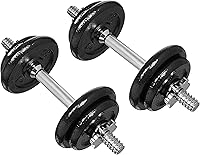
How to Plan a Full Body Dumbbell Workout at Home
Plan a full body dumbbell workout at home by pairing a squat, hip hinge, push, pull, and core move, then train each 2 or 3 times per week with recovery days between sessions. Choose a weight you can control through every rep.
On this page (11 sections)
- What should a full body dumbbell workout plan include?
- How do you choose the exercises?
- How many sets and reps should you do?
- How often should you train and recover?
- How do you pick a dumbbell weight?
- How can you progress without changing the whole routine?
- Can fixed dumbbells work for this routine?
- How can you adapt the routine for a small home space?
- What should you do before and after each workout?
- More guides on this topic
- How do you put the plan together?
Plan a full body dumbbell workout at home around 5 movement patterns: squat or lunge, hip hinge, push, pull, and core. Adults over 60 can use this full body dumbbell workout after 60 for age-focused planning.
Choose loads you can control, start with 1 or 2 sets per move, and leave a recovery day between sessions.
A balanced dumbbell routine doesn't need a long list of exercises. If you prefer four training days, compare this four day dumbbell split.
Cover the main muscle groups with a few movements, then adjust the weight or reps as your strength and control improve.
What should a full body dumbbell workout plan include?
A full body dumbbell workout plan should include one lower-body squat, one hip hinge, one upper-body push, one pull, and one core exercise. Together, these patterns work your legs, hips, chest, back, shoulders, arms, and trunk.
Here is a simple session to start with:
| Movement pattern | Exercise | Starting range |
|---|---|---|
| Squat | Goblet squat | 8–12 reps |
| Hip hinge | Dumbbell Romanian deadlift | 8–12 reps |
| Push | Floor press | 8–12 reps |
| Pull | One-arm row | 8–12 reps per side |
| Core | Suitcase march or dead bug with one dumbbell | 6–10 reps per side or 20–30 seconds |
These ranges are starting points, not a test. Stop a set when you can't keep a steady position or complete the movement with control.
Use a lighter load while learning a new movement. The beginner dumbbell workout plan can help you scale the routine to your experience.
How do you choose the exercises?
Choose exercises that cover the movement patterns you want to train and that you can perform safely in your available space. If a move causes pain or you can't control the weight, choose an easier variation or get guidance from a qualified professional.
How can you train legs and hips?
Use a squat or lunge for your knees and hips, then add a hinge for the back of your legs and glutes. Goblet squats and reverse lunges fit the squat pattern; Romanian deadlifts fit the hinge pattern.
Start with a squat if you're new to the routine. Keep the dumbbell close to your body and use a range of motion you can control.
For a hinge, push your hips back while keeping your spine steady and the weights close to your legs. Reduce the load if your back rounds or the dumbbells drift forward.
Which dumbbell push and pull moves belong in the plan?
Pair a press with a row to train the upper body from both directions. A floor press is a practical push without a bench, while a one-arm row offers a pull using one dumbbell at a time.
Keep your shoulders and wrists comfortable throughout each rep. If you want a routine with more compound moves, see compound dumbbell exercises for a full body workout.
You can also build the session around standing moves if floor space is limited. Our standing full body dumbbell workout shows how to organize those exercises.
How should you include core work?
Add one core move that challenges you to brace your trunk without losing control. A suitcase march asks you to resist leaning while holding one dumbbell at your side; a dead bug variation trains you to keep your trunk steady as your limbs move.
Begin without a weight if you can't keep your back and ribs in a steady position. The core workout at home with dumbbells covers more options.
How many sets and reps should you do?
Start with 1 or 2 sets of 8–12 controlled reps for most exercises. For one-sided moves, complete the same number on both sides, and rest until you can begin the next set with good form.
For timed core work, begin with 20–30 seconds or a few slow reps per side. Add time or repetitions only when you can maintain your position.
You don't need to train to exhaustion. Leave a few good reps in reserve, especially while learning the exercises or returning after a break.
How often should you train and recover?
Schedule 2 or 3 full body sessions per week, with at least one rest day between sessions. Use this weekly dumbbell workout plan to map the sessions across your week.
The rest gives you time to recover and see how your body responds before repeating the same movements.
A simple weekly schedule could be Monday and Thursday, or Monday, Wednesday, and Saturday. See this three day dumbbell workout for a sample schedule.
If you feel unusually tired or your form slips, take another rest day or use a lighter session.
You can walk or do easy mobility work on rest days if it feels comfortable. Recovery also includes sleep, enough food, and not increasing every part of the workout at once.
How do you pick a dumbbell weight?
Choose a weight that lets you complete the target reps with steady form, while the last few reps feel challenging. Use a lighter weight for overhead moves or new exercises if you need it to keep control.
If your dumbbells are too light, slow the lowering phase or add a few reps before moving to a harder variation. If they're too heavy to move smoothly, reduce the load or use bodyweight until the pattern feels manageable.
A dumbbell set buying guide can help you compare fixed and adjustable options for home training. For a complete routine that mixes equipment and bodyweight moves, see the body weight and dumbbell workout plan.
How can you progress without changing the whole routine?
Progress one part of the workout at a time: add a rep, add a set, or increase the weight when you can complete the current work with good form. Keep the exercise selection stable long enough to notice whether the change feels manageable.
For example, if you can do 2 sets of 8 reps, work toward 2 sets of 12 before adding weight. When you increase the load, return to the lower end of your rep range.
Don't add weight and sets in the same week unless you have a clear reason and are recovering well. A steady plan is easier to follow and makes it simpler to spot which changes help.
Can fixed dumbbells work for this routine?
Fixed dumbbells can work if their weight suits the exercises you plan to do. A pair that feels right for curls or raises may be too light for squats and hinges, so consider whether one load can serve the whole session.
The Yes4All 7 lb neoprene pair has a textured grip, hex heads, and a clear weight marking. The full body dumbbell workout for men provides another routine format to compare.
The 5 lb version has the same neoprene coating and hex shape, with a clear weight marking. It may suit lighter movements or someone learning to control dumbbells.
Fixed weights are straightforward, but you may need more than one pair as your routine changes. Keep your workout area clear when switching between exercises, and set each dumbbell down carefully.
How can you adapt the routine for a small home space?
Use a clear patch of floor where you can step, hinge, and place dumbbells without hitting furniture. A mat can mark the workout area, but it doesn't replace checking the floor for slipping or tripping hazards.
You can do floor presses instead of bench presses, and one-arm rows without taking up much space. If you don't have a bench, use the moves in this full body dumbbell workout without a bench.
A functional trainer is another option for a home gym, though it changes the equipment and setup. Read whether you can do a full body workout on a functional trainer before choosing that route.
What should you do before and after each workout?
Before training, clear the floor, check that dumbbell handles and weights are secure, and do a few minutes of easy movement. Then rehearse the first exercise without weight or with a light load.
During the workout, stop if you feel sharp pain, dizziness, or sudden shortness of breath. Put the weights down in a controlled way and seek appropriate help if symptoms persist.
Afterward, note the exercises, loads, and reps you completed. That simple record helps you repeat the session and decide what to adjust next time.
More guides on this topic
- How to Plan a Dumbbell Workout for Fat Loss
- Can Dumbbells Build Muscle?
How do you put the plan together?
Use a squat, hinge, push, pull, and core move as your base. Train 2 or 3 times a week, start with modest sets, and increase one variable only when your form and recovery support it.
Choose adjustable dumbbells if you want to change loads across exercises and progressions. Choose fixed pairs if the weights fit your routine and you prefer separate, ready-to-use options.
As you build your routine, a standing dumbbell compound exercise guide can help you add more movements. For another equipment path, compare the best functional trainer for full body workouts.
Frequently asked questions
How many exercises should a full body dumbbell workout have?
Start with 5 or 6 exercises that cover a squat or lunge, a hip hinge, a push, a pull, and your core. One or two sets per exercise can be enough while you learn the movements.
Add sets gradually if you recover well and can keep each rep controlled.
How many days a week should I do a full body dumbbell workout?
Many people can begin with 2 or 3 full body sessions per week, with a rest day between them. Your schedule, training experience, and recovery matter.
If soreness or fatigue keeps affecting your form, take more time between sessions or reduce the work.
Can I build muscle with a full body dumbbell workout at home?
Dumbbells can support muscle building when you train consistently and gradually make the work more challenging. Use a weight and rep range you can control, then add reps, sets, or weight over time.
The exercises should cover major muscle groups and fit your experience.
Do I need a bench for a full body dumbbell workout?
No, you can plan a full body dumbbell workout without a bench using floor presses, standing presses, rows, squats, hinges, and core moves. A bench can add exercise options, but it isn't required to train the major movement patterns at home.