How to Replace Pec Deck Flys with Dumbbells
A lying dumbbell fly is the closest pec deck alternative with dumbbells because it trains a chest fly through a controlled arc. Use a light weight, keep a soft bend in your elbows, and stop before your shoulders feel strained.
On this page (8 sections)
- How do you replace pec deck flys with dumbbells?
- How far should you lower a dumbbell fly?
- What dumbbell fly variations work for different setups?
- How heavy should your dumbbells be for flys?
- How do dumbbell flys differ from pec deck flys?
- What mistakes should you avoid with dumbbell flys?
- Is a dumbbell squeeze press another pec deck substitute?
- Which pec deck alternative with dumbbells should you choose?
A lying dumbbell fly is the closest pec deck alternative with dumbbells because it recreates the chest fly's inward arm sweep. Use a light pair, keep your elbows slightly bent, and lower only as far as your shoulders remain comfortable.
The pec deck supports your arms and follows a set path. Dumbbells give you more freedom to choose your range, so control matters from the first rep.
How do you replace pec deck flys with dumbbells?
Lie on a flat bench and move the dumbbells through a wide, controlled arc. Keep a small bend in your elbows throughout the movement, and bring your hands together above your chest without letting the weights collide.
- Sit on the bench with a dumbbell on each thigh.
- Lie back and guide the weights above your chest with control.
- Set your feet firmly and keep your shoulder blades steady against the bench.
- Lower your arms outward until your chest feels a gentle stretch.
- Bring the weights back above your chest along the same arc.
Keep your wrists neutral and your elbows softly bent. Don't turn the fly into a press by bending and straightening your elbows during each rep.
The movement should feel smooth. If you can't control the dumbbells at the bottom, reduce the weight or shorten the range.
How far should you lower a dumbbell fly?
Lower only until you feel a comfortable chest stretch and can keep your shoulders steady. You don't need to bring your elbows below your torso to make the exercise useful.
A pec deck limits how far your arms travel based on its setup. With dumbbells, you choose the bottom position, so your shoulder comfort is the guide.
Pause if you feel pinching, sharp pain, or your shoulder rolls forward. Shorten the range or stop and choose another movement if discomfort continues.
Can you do a floor dumbbell fly?
Yes, a floor fly is a useful option if you don't have a bench. The floor stops your upper arms from lowering as far, which limits the stretch and makes the movement easier to control.
Lie on your back with knees bent and feet planted. Start with the dumbbells over your chest, lower your arms until your upper arms touch the floor gently, then return to the start.
Don't bounce your elbows off the floor. Keep the descent slow and the same soft bend in your elbows.
What dumbbell fly variations work for different setups?
Choose a variation that matches your equipment and lets you control the range. For lower chest options, see lower chest dumbbell exercises.
A flat-bench fly is closest to the pec deck's chest-focused arc, while an incline changes the angle and a floor fly limits the bottom position.
Flat-bench dumbbell fly
The flat-bench version is the most direct substitution for a seated pec deck fly. Keep your head, upper back, and hips supported, and avoid arching your lower back to force a larger range.
For broader ideas, see chest exercises with dumbbells. Use a movement that fits your available bench and feels steady through each rep.
Incline dumbbell fly
An incline fly changes your torso angle, so it may feel different across your chest and shoulders. Set the bench at a modest angle and use less weight than you would for a press.
If you want another movement on an incline bench, compare this with an alternative to incline dumbbell press. A press is a different motion from a fly, so pick based on the training pattern you want.
Floor dumbbell fly
The floor version works when you don't have a bench or want a shorter range. It won't reproduce the full stretch of a bench fly, but it can still let you practice bringing the arms inward under control.
How heavy should your dumbbells be for flys?
Pick a weight you can lower slowly without your shoulders shifting or elbows bending more. Flys use a long arm lever, so they usually call for less weight than a dumbbell press.
Start with a pair that feels easy for several careful reps. Increase only when you can keep the same arc, elbow bend, and comfortable bottom position throughout the set.
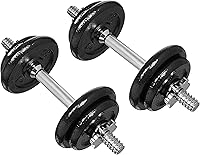
A fixed light pair can suit early practice. A heavier adjustable set gives you more room to change resistance as your strength and control improve.
PowerBlock's Elite EXP 90 has a magnetic pin for changing weight and markings to identify each setting. Its compact design can suit a home gym where space is limited.
The Yes4All 7 lb pair has a textured neoprene coating and cast iron cores. Its flat-sided heads help keep the weights from rolling when you set them down.
The Yes4All 5 lb pair has a neoprene coating and hex-shaped heads. The lighter fixed weight can suit beginners or anyone practicing the movement with less resistance.
Compare options in our dumbbell set buying guide if you need a pair for more than flys. Think about the range of weights you want and the space available where you'll store them.
How do dumbbell flys differ from pec deck flys?
Both movements bring your arms inward to train a chest fly, but dumbbells ask you to control the weights and the path yourself. The pec deck supports your arms and guides them along its machine path.
A dumbbell fly also loses resistance near the top when the weights are directly over your chest. A pec deck can keep tension through more of the movement, depending on its design.
If you have access to a cable station, explore functional trainer pec deck alternatives that work. For equipment upkeep, see how to replace a cable pulley.
What mistakes should you avoid with dumbbell flys?
Avoid heavy weights, a locked elbow, and a forced stretch at the bottom. Those choices make it harder to keep a steady arc and a comfortable shoulder position.
- Don't let the dumbbells drop quickly.
- Don't bend and straighten your elbows as if doing a press.
- Don't lower past the range you can control.
- Don't clank the weights together overhead.
- Don't twist your wrists to finish a rep.
Use a spotter if you need help getting a heavy pair into position. If you can't safely bring the weights above your chest, choose lighter dumbbells or another exercise.
Is a dumbbell squeeze press another pec deck substitute?
A squeeze press is another chest option, but it replaces the fly with a pressing motion. You hold the dumbbells close together as you press, which makes it a different pattern from opening and closing your arms.
See the dumbbell chest press guide for that pattern.
Learn what a dumbbell squeeze press is before adding it. If you prefer a press, our guide explains whether a dumbbell bench press is a compound exercise.
Which pec deck alternative with dumbbells should you choose?
For a close movement match, choose a flat-bench dumbbell fly and keep the range comfortable. Choose a floor fly if you don't have a bench or want the floor to limit how low your arms travel.
Use lighter weights while learning the path, then adjust resistance only when every rep stays controlled. If the fly feels uncomfortable, switch to a press or another chest exercise that suits your setup.
Frequently asked questions
What is the closest dumbbell exercise to a pec deck fly?
A lying dumbbell fly is the closest match because your arms sweep inward across your chest against resistance. Keep a soft elbow bend, lower only as far as your shoulders stay comfortable, and use a light weight while learning the movement.
A bench gives you a stable surface.
Can you do pec deck flys with dumbbells on the floor?
Yes. A floor dumbbell fly uses the same inward arm sweep, while the floor limits how far your elbows can descend.
That shorter range can help you practice control, but it won't match the pec deck's seated position or continuous resistance.
Are dumbbell flys safer than a pec deck?
Neither option is automatically safer for everyone. Dumbbells require you to control the weights and choose your own range, while a pec deck guides the movement.
Start light, keep your shoulders comfortable, and stop if you feel sharp pain or lose control.
What can I use instead of dumbbell flys?
A dumbbell squeeze press or a standard dumbbell press can train your chest without the wide lowering arc of a fly. A resistance band or cable setup can also provide a fly motion if you can anchor it securely.
Choose the movement that feels controlled and comfortable.