How to Use a Rowing Machine
To use a rowing machine, set your resistance, sit tall, and drive with your legs before leaning back and pulling the handle to your ribs. Reverse that order to return, and keep each stroke smooth.
On this page (8 sections)
- How do you set up a rowing machine?
- What is the correct rowing machine stroke sequence?
- How should you pace a rowing workout?
- What rowing machine mistakes should you avoid?
- How can you make rowing fit a home workout?
- How does rowing differ from cable rows?
- How should you finish a rowing session?
- How to use a row machine safely and well
To use a rowing machine, push with your legs first, lean back slightly, then pull the handle to your lower ribs. Return by extending your arms, hinging forward, and bending your knees, keeping the movement smooth and controlled.
Set the foot straps across the widest part of your feet, choose an easy resistance, and sit tall before starting. A rowing stroke uses a specific sequence, so resist the urge to pull with your arms first.
How do you set up a rowing machine?
Adjust the foot straps and choose a light starting resistance before you row. Sit close to the front of the seat with your knees bent and shins near vertical.
Secure the straps over your feet without cutting off circulation. Hold the handle with both hands, arms straight, and shoulders relaxed.
Keep your wrists level rather than bending them toward you.
If the machine has a damper, resistance dial, or other setting, start low or moderate. The controls vary by machine, and a harder setting is not a shortcut to better form.
What is the correct rowing machine stroke sequence?
Use the sequence legs, body, arms on the drive, then arms, body, legs on the return. This order lets your legs start the work and keeps the handle moving in a steady line.
How do you drive through the stroke?
Start with your arms straight and torso tipped slightly forward from the hips. Press through your feet to straighten your legs while keeping your shoulders relaxed.
Once your legs are mostly straight, hinge your torso back a little. Then draw the handle toward your lower ribs, keeping your elbows close to your sides.
Finish with a tall chest and a small backward lean, not a deep recline. Your hands should reach your body without pulling the handle up toward your neck.
How do you return to the front?
Send your hands away first, then tip your torso forward from the hips. Once your arms are straight and your shoulders are in front of your hips, bend your knees and glide toward the front.
Move forward more slowly than you drive back. A controlled return gives you time to set up the next stroke without bouncing off the front of the machine.
How should you pace a rowing workout?
Begin at an easy pace that lets you repeat the same clean stroke. Aim for steady breathing and a smooth rhythm rather than trying to row as fast as possible.
For a first session, row for 5 to 10 minutes at comfortable effort. Take a break or stop if your form slips, your breathing becomes hard to control, or you feel pain or dizziness.
As the movement feels familiar, add a few minutes at a time. If you want to understand the broader benefits, read is a rowing machine a good workout.
Should you focus on speed or resistance?
Focus on technique and rhythm before increasing either speed or resistance. If you can keep the stroke sequence steady and finish without losing posture, you can make a small adjustment and see how it feels.
Machines use different controls, and some do not have adjustable resistance. Learn what your machine changes before comparing settings or trying to copy a pace from another rower.
What rowing machine mistakes should you avoid?
Avoid pulling with your arms first, rounding your back, and rushing the recovery. These habits make the stroke choppy and can put you in awkward positions.
- Arms-first pulling: Start the drive by pushing through your legs.
- Rounded shoulders or back: Sit tall and hinge from your hips.
- Leaning too far back: Finish with only a slight backward lean.
- Bent wrists: Keep your hands and wrists in a relaxed line.
- Knees rising too early: Send your hands and torso forward before bending your knees.
- Rushing the return: Glide forward under control.
If your knees, hips, back, or shoulders feel uncomfortable, pause and review your setup and technique. Choose a range of motion you can control, and seek professional guidance if discomfort continues.
How can you make rowing fit a home workout?
A rowing machine can be the main cardio movement in a short session, or one part of a broader routine. Keep the work simple at first: warm up, row at a steady pace, then cool down with a few easy strokes.
For a home strength option alongside cardio, the Marcy Multifunction Home Gym Workout Station combines arm and leg stations with a selectorized weight stack.
Choose it if you want several strength movements in one home gym setup. It is a 280.5 lb machine, so plan the floor space and assembly area before choosing a spot.
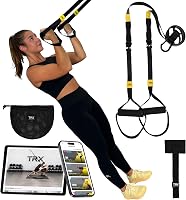
The TRX GO Suspension Trainer is a portable option for bodyweight strength work between cardio sessions. It includes a suspension strap, indoor and outdoor anchors, and a mesh carry bag.
Use a secure anchor and follow the equipment instructions. It can suit someone who wants a compact training tool rather than another cardio machine.
For a squat-focused movement, the Sunny Health & Fitness Smart Row-N-Ride Glute combines squat assistance with resistance bands and adjustable handlebar and seat positions.
This is a squat-assist trainer, not a standard rowing machine with a sliding seat and handle stroke. If you want to compare rowing with cable work for back training, see Functional Trainer vs Rowing Machine for Back Gains.
How does rowing differ from cable rows?
A rowing machine trains a repeated cardio stroke, while a cable row is usually a strength exercise with a controlled pull. Both involve pulling, but they use different movement patterns and equipment.
Keep the cable row slow enough to control the handle and return. Our guide to how to do single arm rows on a cable machine walks through that separate exercise.
How should you finish a rowing session?
Slow your pace for the final few minutes, then stop and step off carefully. Let your breathing settle before putting equipment away or starting another exercise.
If you used a resistance setting, return it to the position recommended by the machine’s instructions. Wipe down contact points if needed, and check that the handle and foot straps are clear for your next session.
How to use a row machine safely and well
For anyone learning row machine how to use, the main rule is simple: drive with your legs, finish with your torso and arms, then return in reverse order. Start with a light setting and a short session so you can keep each stroke smooth.
Choose a conventional rowing machine for repeated cardio strokes. Add a strength station or suspension trainer if your home routine also needs resistance exercises, and choose the Row-N-Ride when squat assistance is the goal.
Frequently asked questions
What is the correct order for a rowing machine stroke?
Push with your legs first, then lean back slightly, and pull the handle toward your lower ribs. On the return, extend your arms, hinge your torso forward, then bend your knees to glide toward the front.
Keeping those steps in order helps the stroke feel controlled.
How long should a beginner row?
Start with 5 to 10 minutes at an easy, steady effort, then add time gradually if you feel comfortable. Focus on smooth strokes and relaxed breathing instead of speed.
Stop if you feel pain, dizziness, or unusual shortness of breath.
Should you use high resistance on a rowing machine?
No. Begin with a low or moderate setting that lets you keep a smooth stroke and steady pace.
Higher resistance can make each pull feel harder, but it does not replace good technique.
Adjust one level at a time if your machine has settings.
What muscles does rowing work?
Rowing uses your legs, hips, back, arms, and core through a repeated push and pull. Your legs start each drive, while your trunk and arms finish it.
The amount of effort each area gets depends on your pace, technique, and workout duration.